






We celebrate the wonderful & hardworking bees with a new bee conservation project
Did you know how important the bee is to our ecosystem?
They are responsible for more than 80% of the pollination of our plants & nature!
Possibly the hardest-working domestic animal in our ecosystem, the bee is responsible for all the wonderful abundance we see in nature.
bedrop and the bees
Our new bee conservation project
Today, on World Bee Day, we don’t just want to honour our hardworking friends — we want to actively support them.
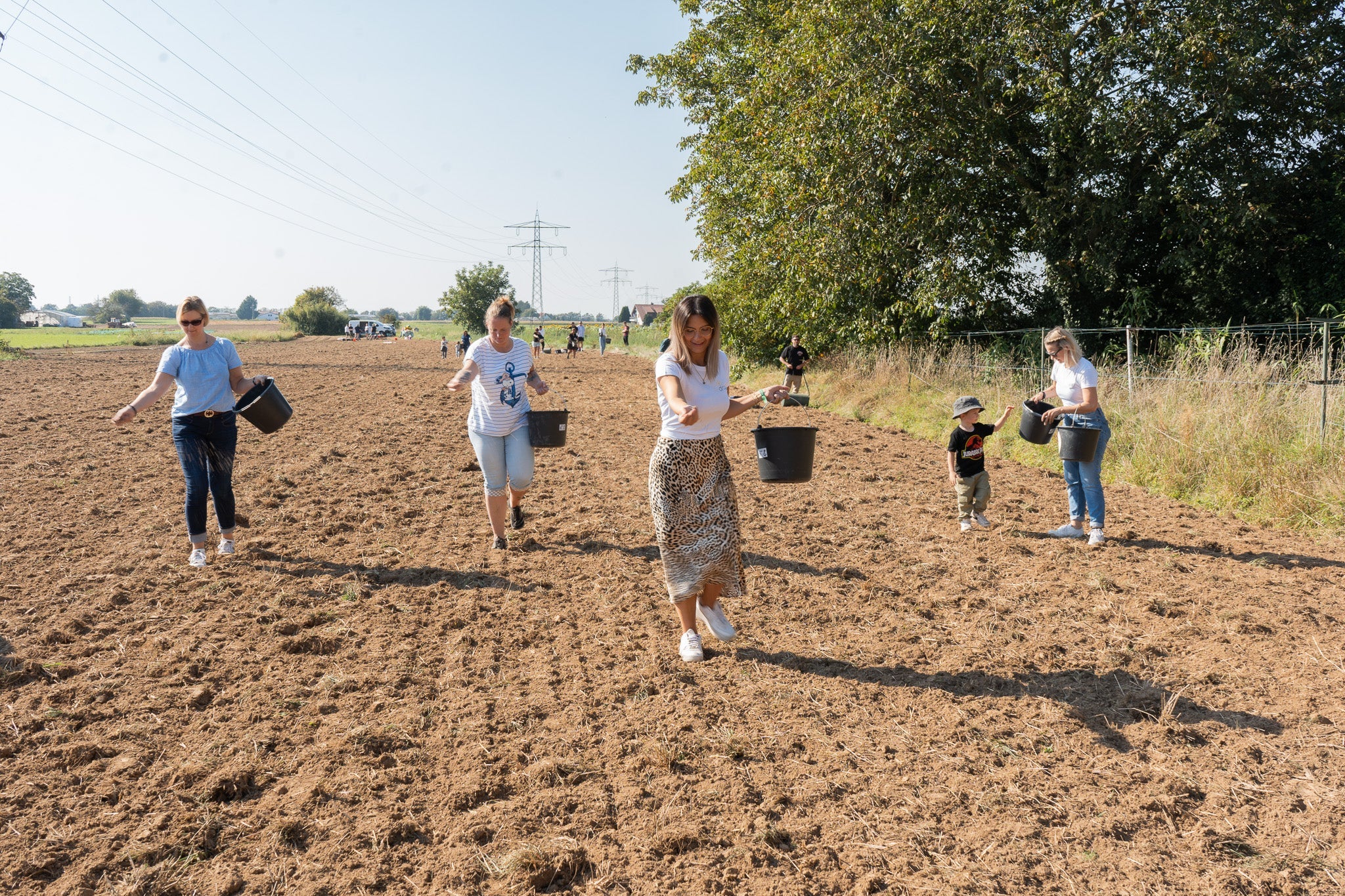
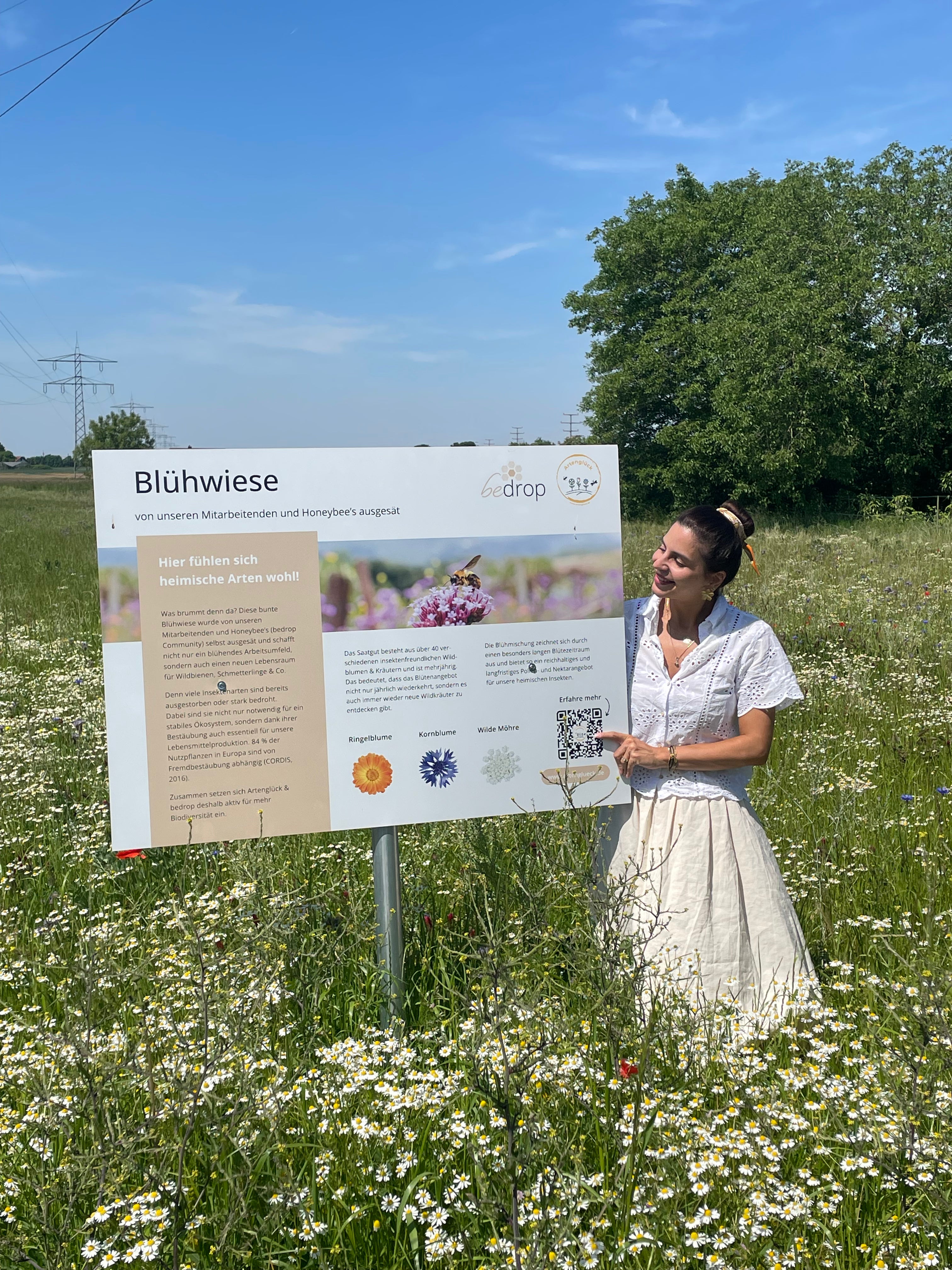
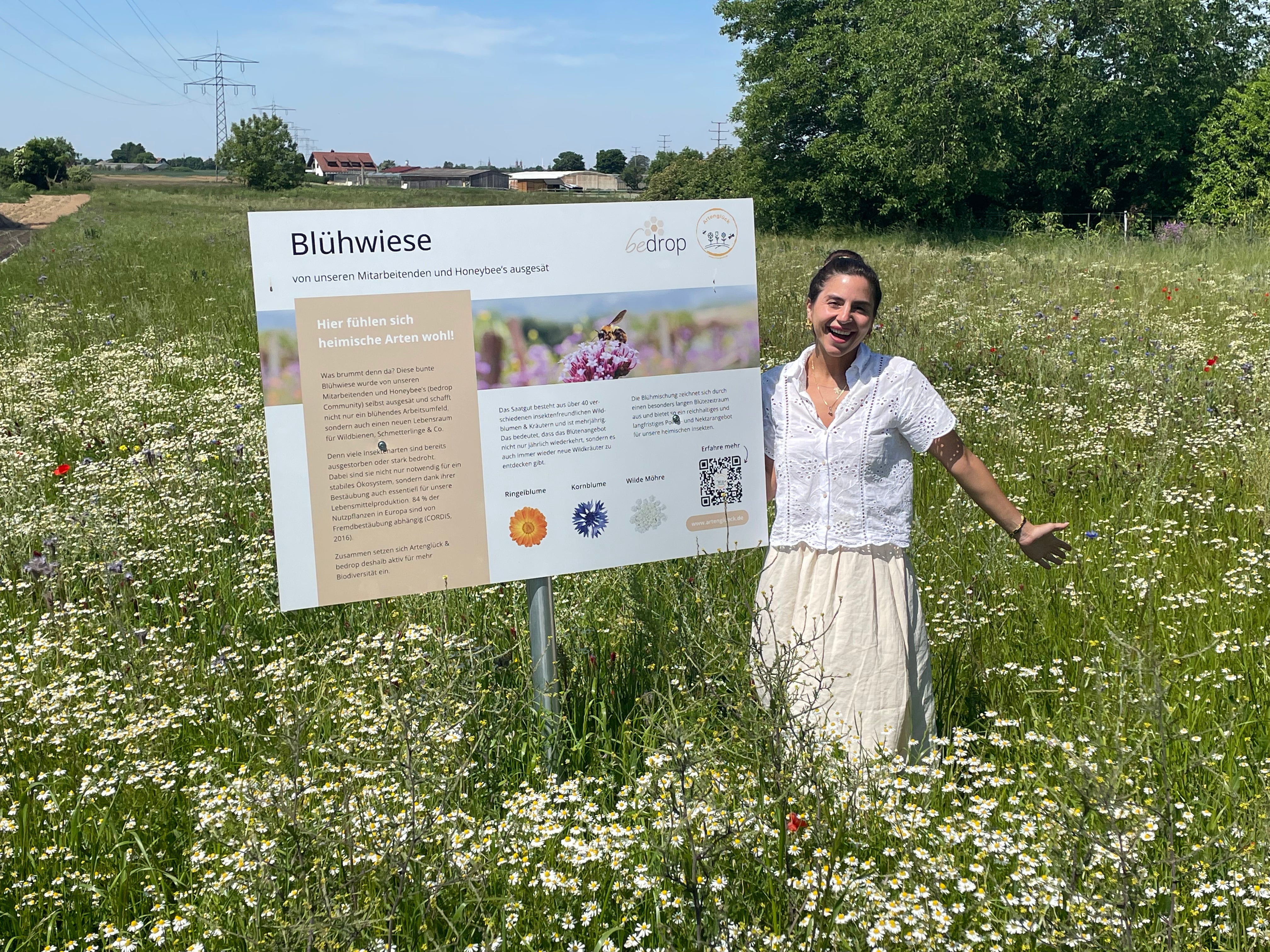
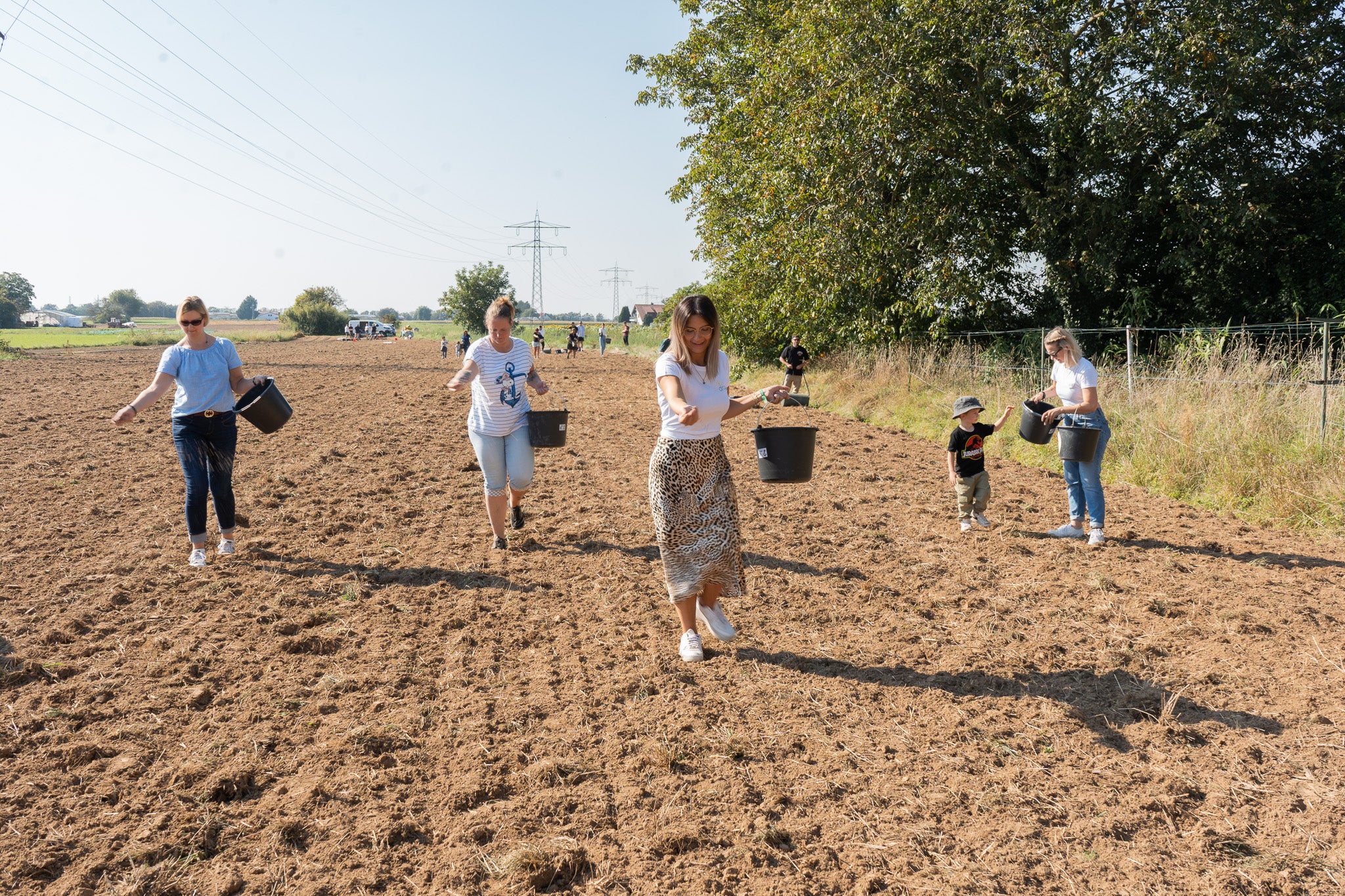
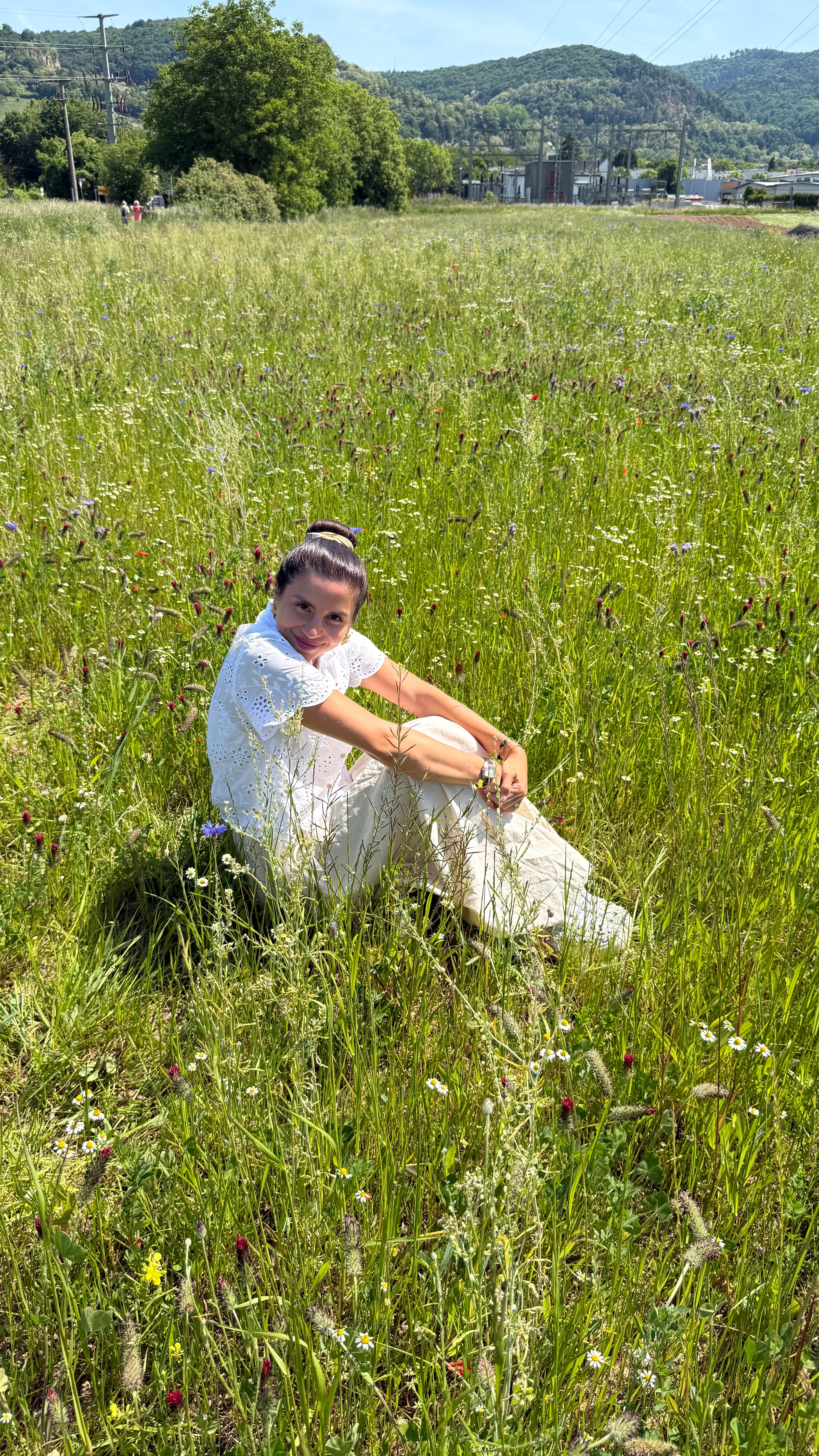
Last year we launched our regional conservation initiative by creating a 5,000 m² wildflower meadow.
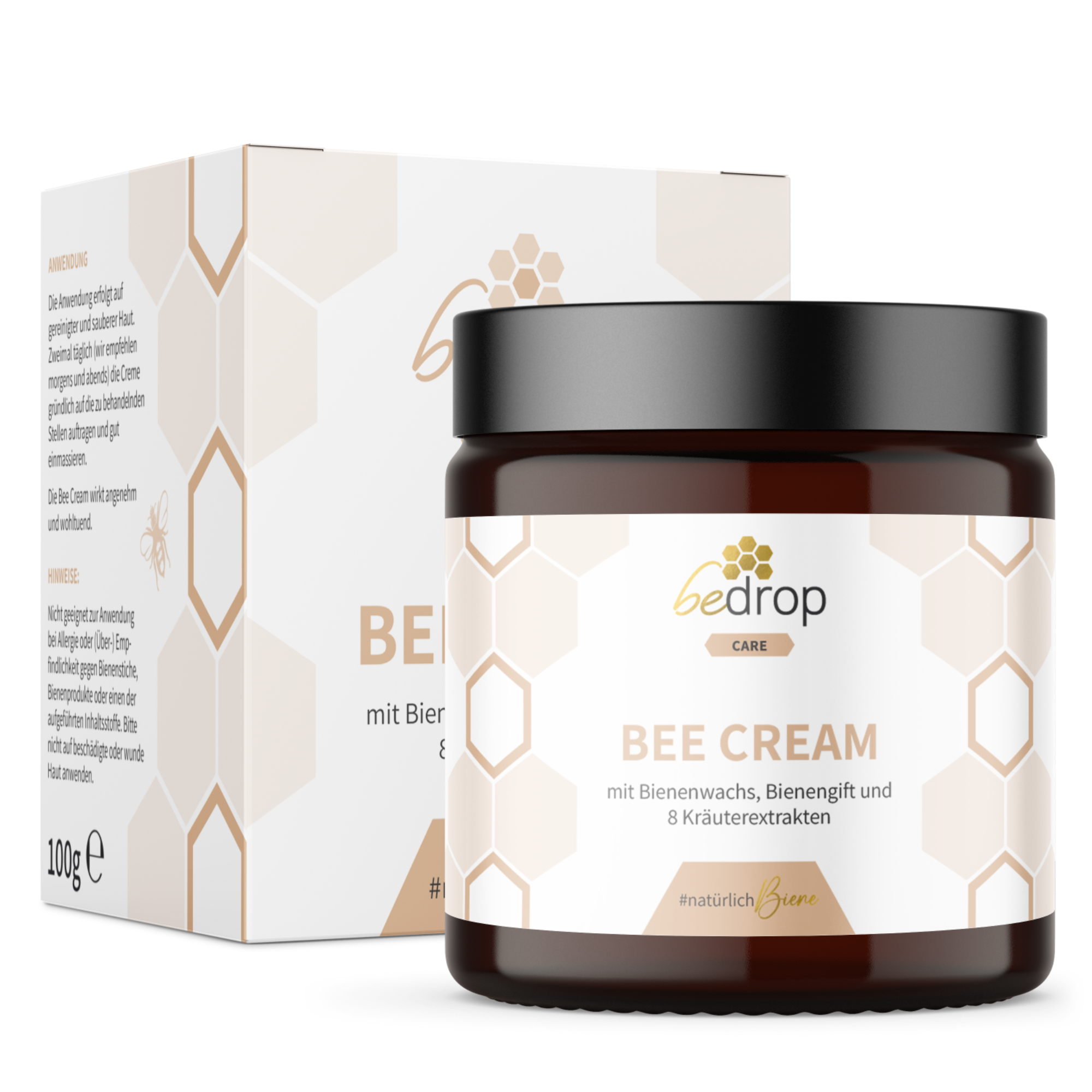
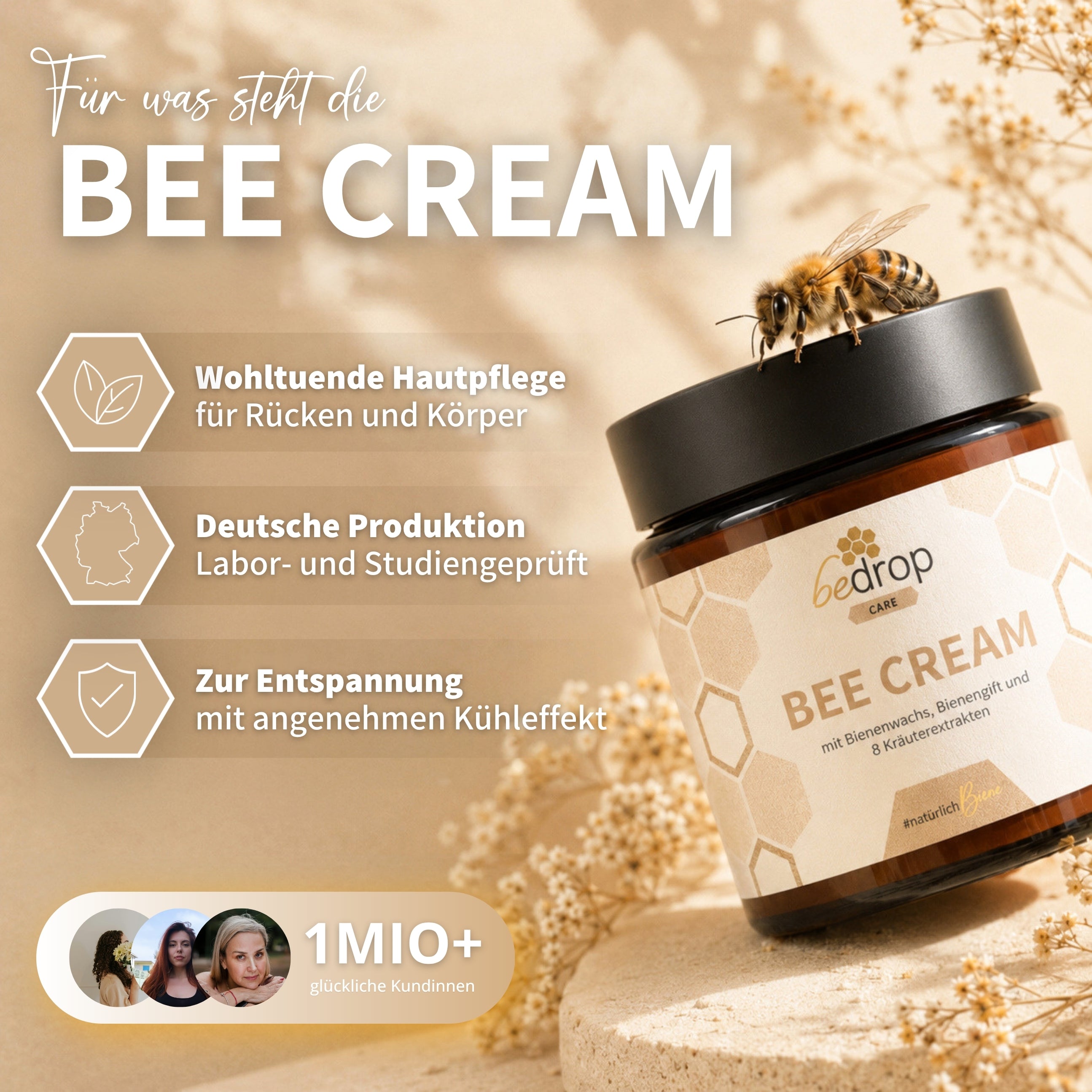
Because that wasn’t enough for us, we’re taking it further this year: We’re already working on a new project that will raise our commitment to biodiversity and sustainability to the next level. We’ll reveal more in the coming weeks! 🐝🌱What you can already know: A portion of every purchase you make at bedrop goes directly to bee conservation. That way, with every order you can actively help preserve and protect the habitats of our buzzing helpers.
Thank you for joining us in making a difference.
Our wildflower meadow is a great success for conservation & biodiversity
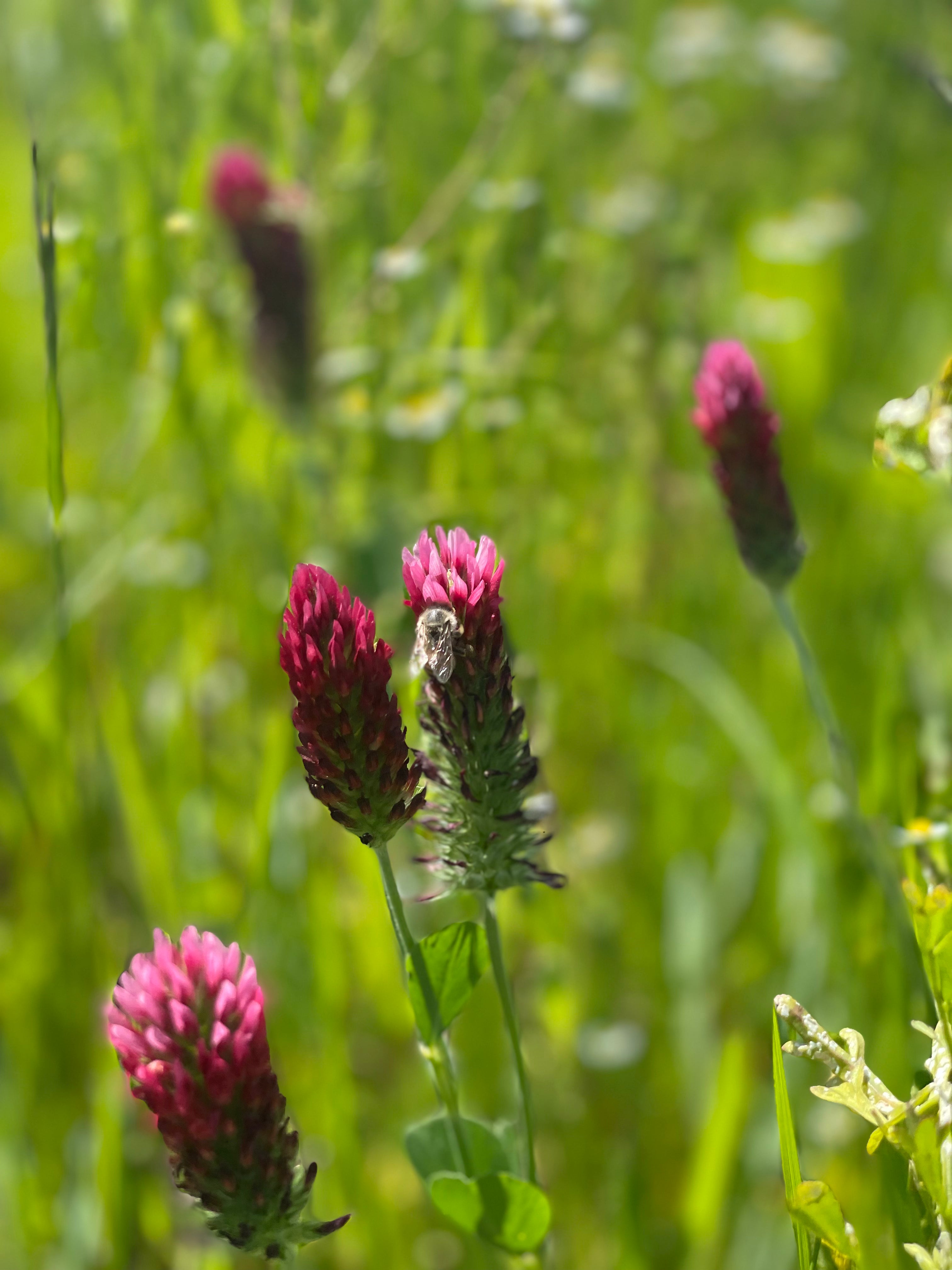
Together with you we transformed 5,000 m² into a paradise for bees, butterflies and many other species. Our goal remains: more habitat for bees, greater biodiversity and an active contribution to nature conservation. 💛
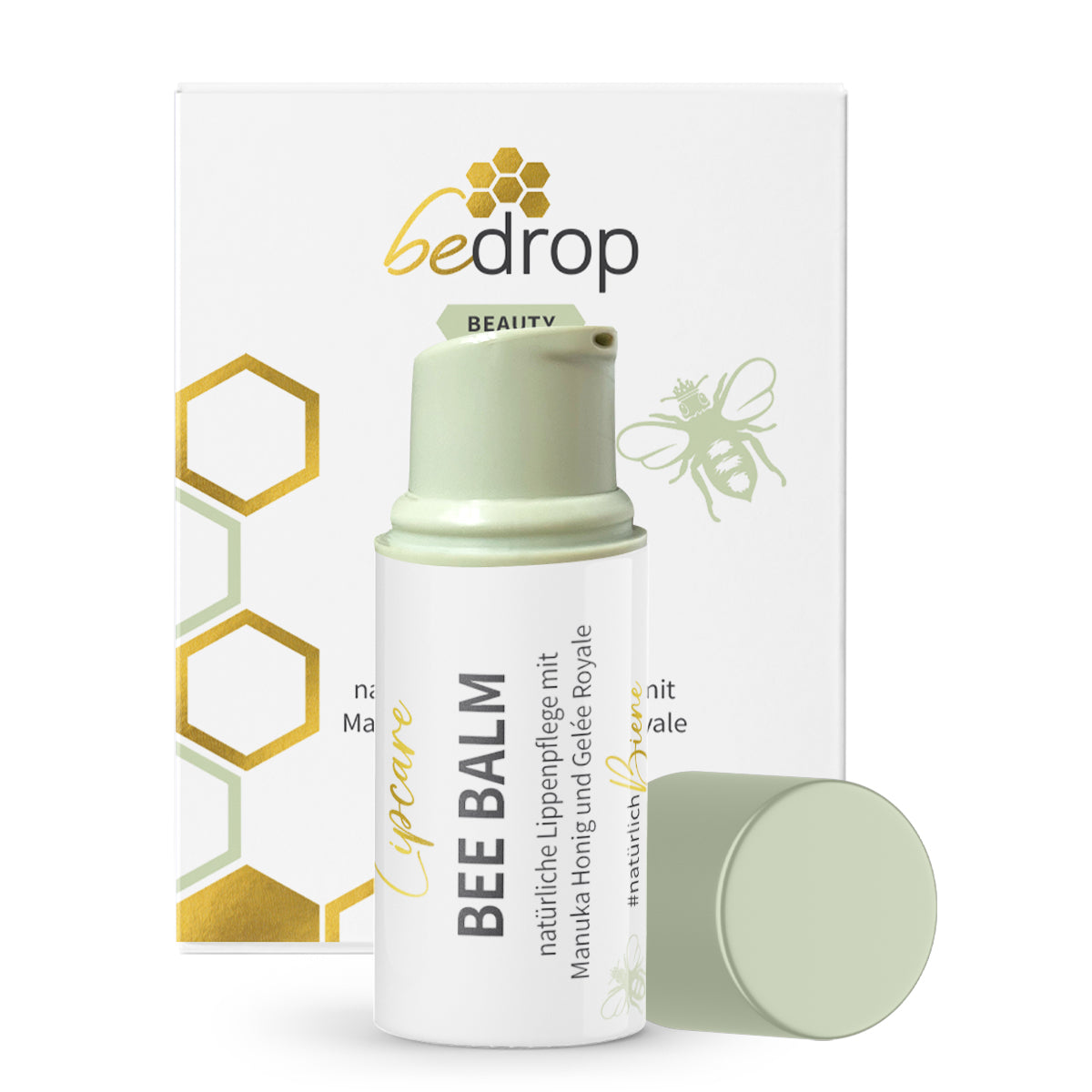
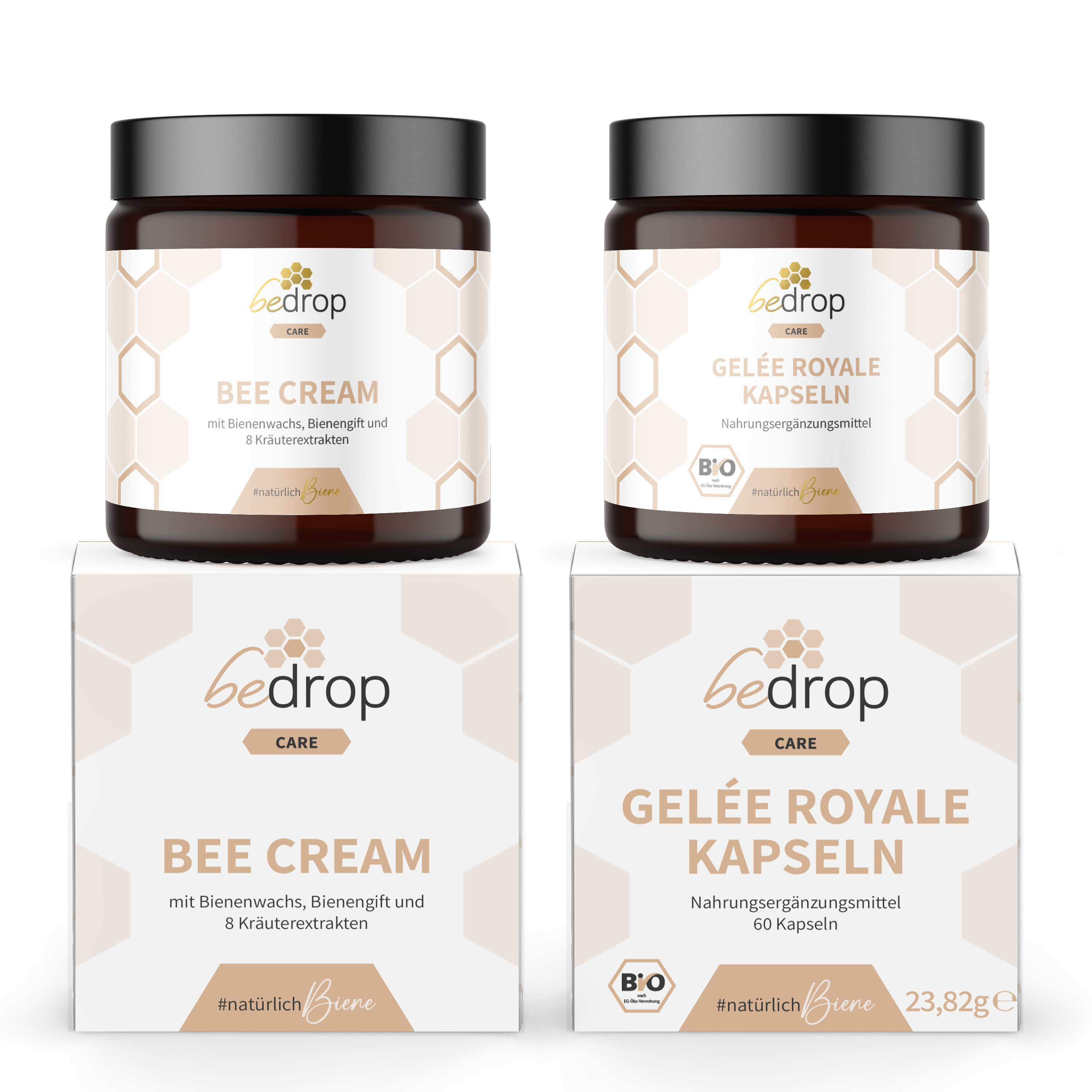
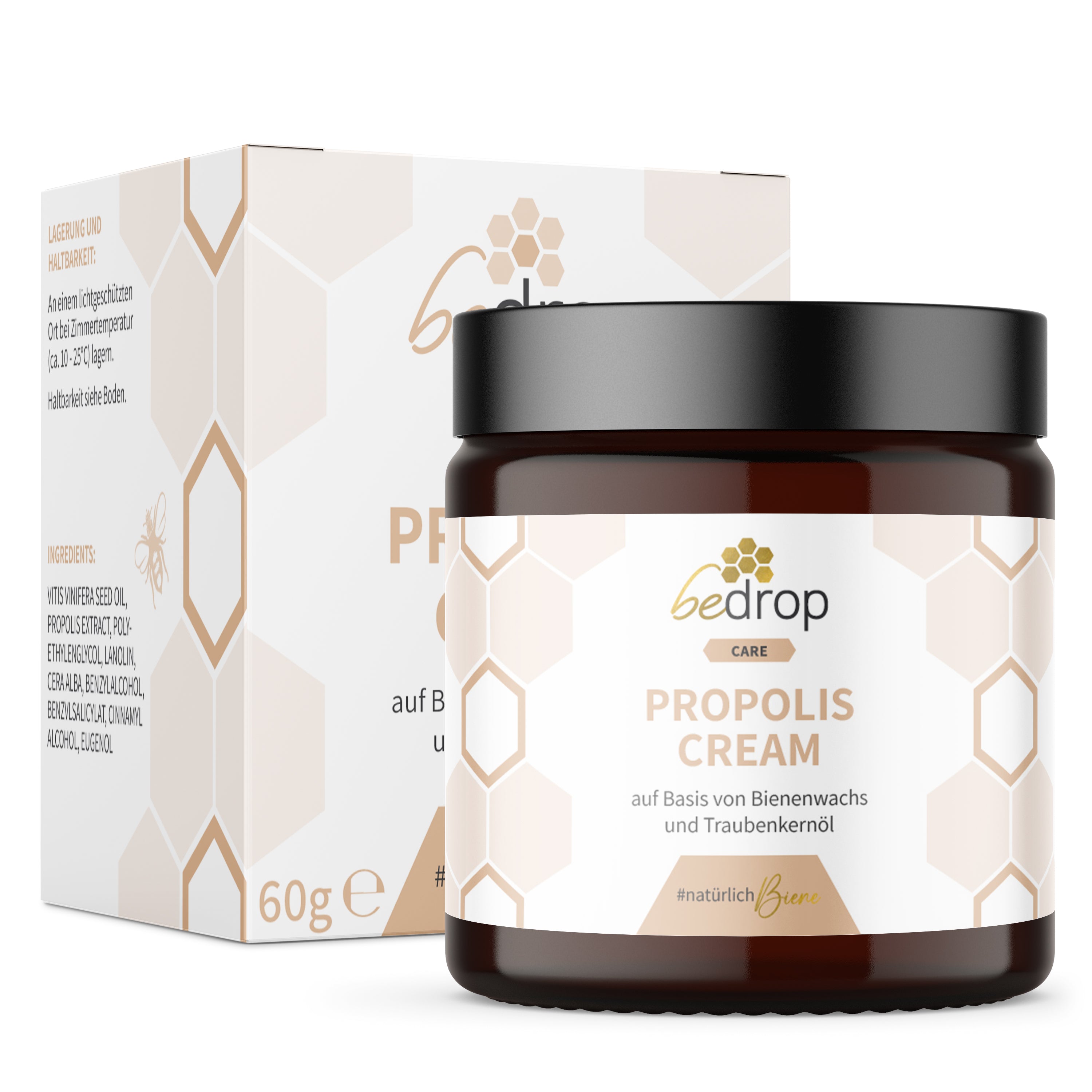
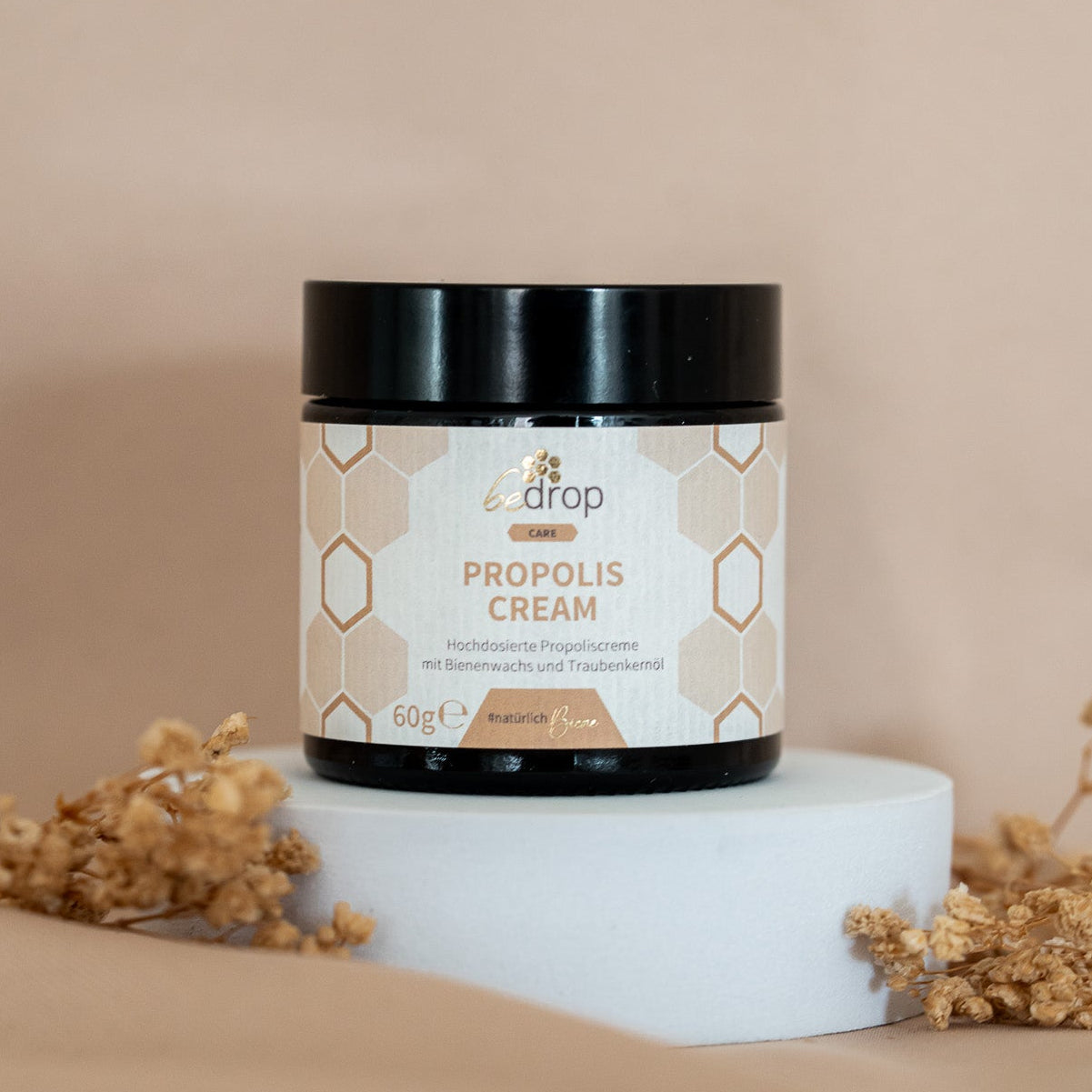
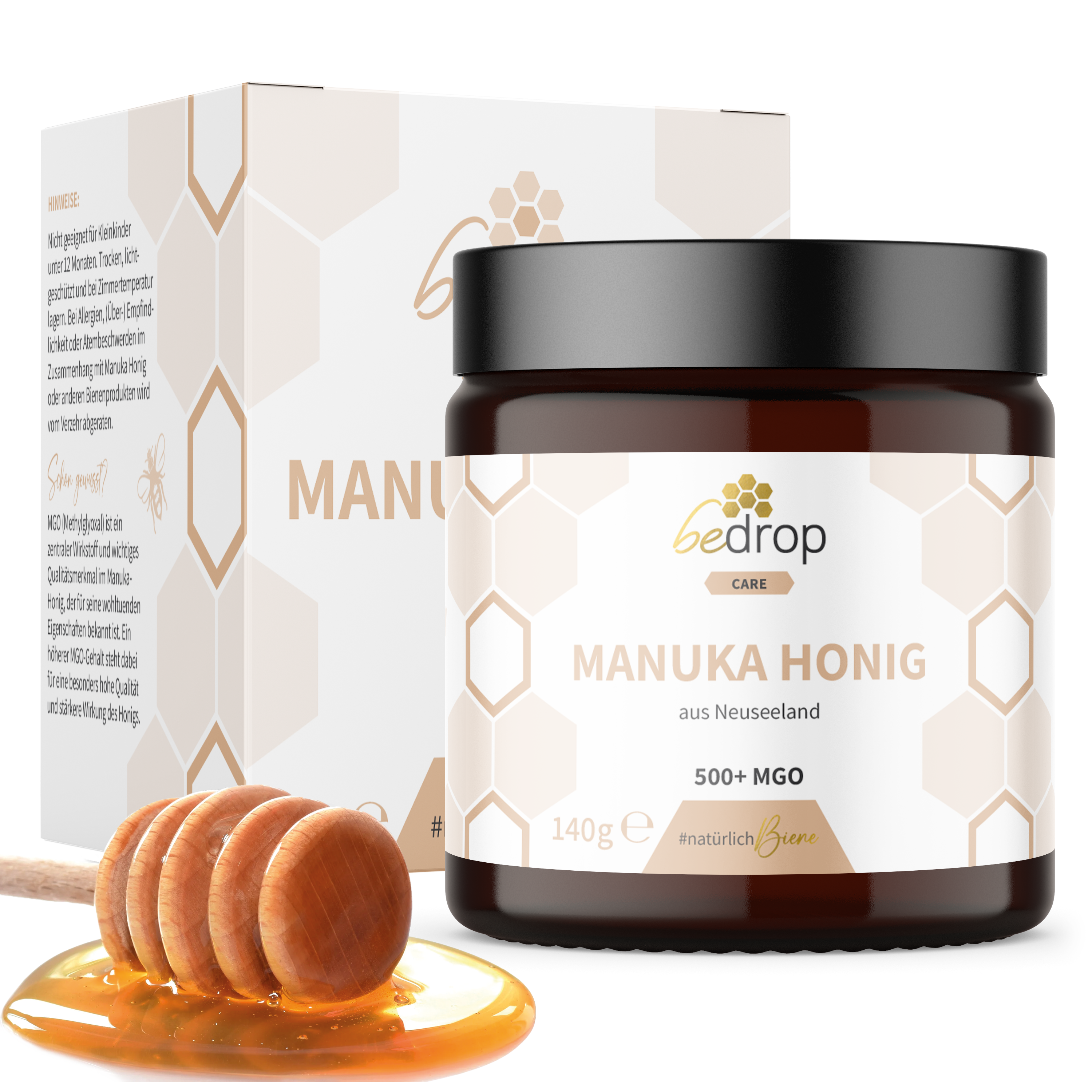
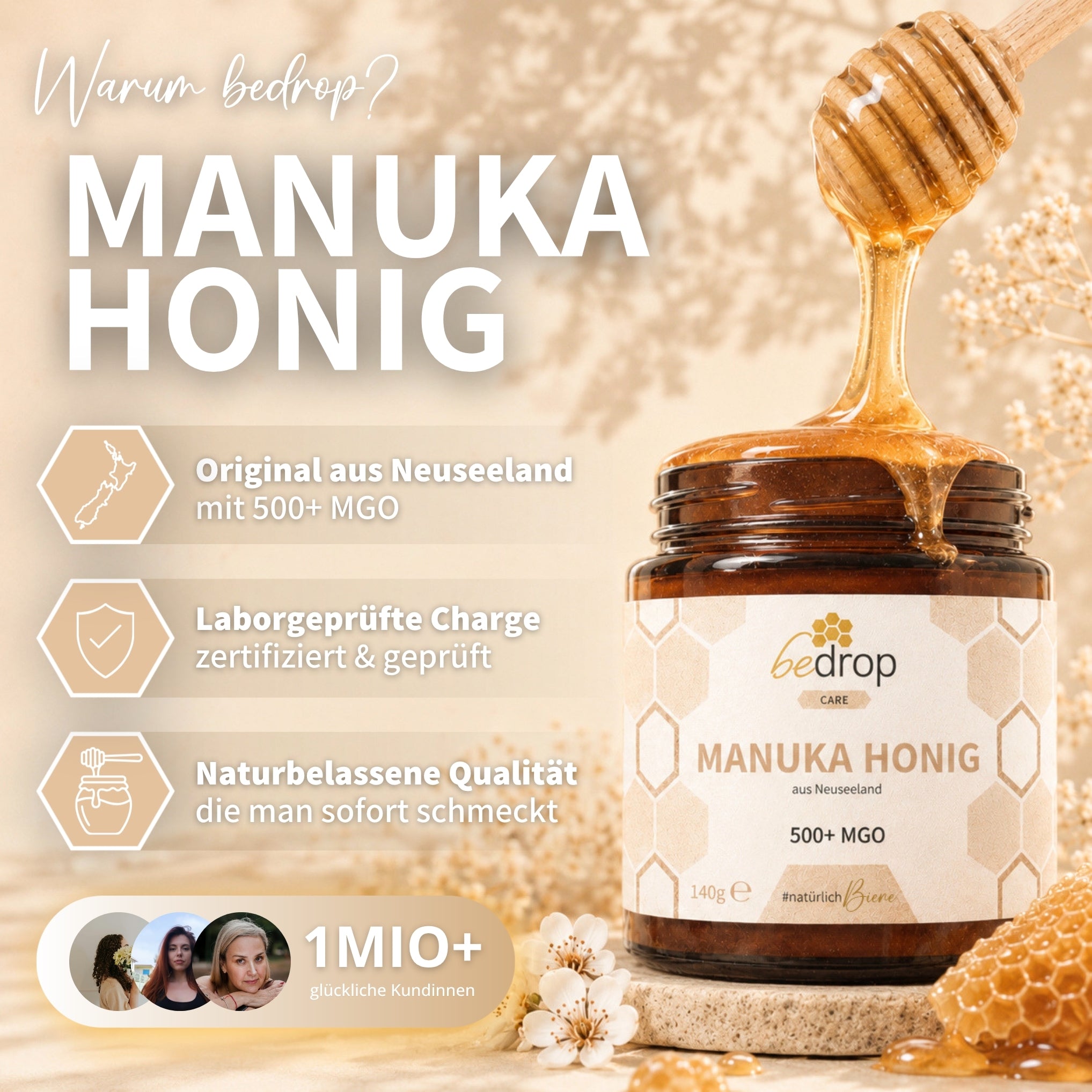
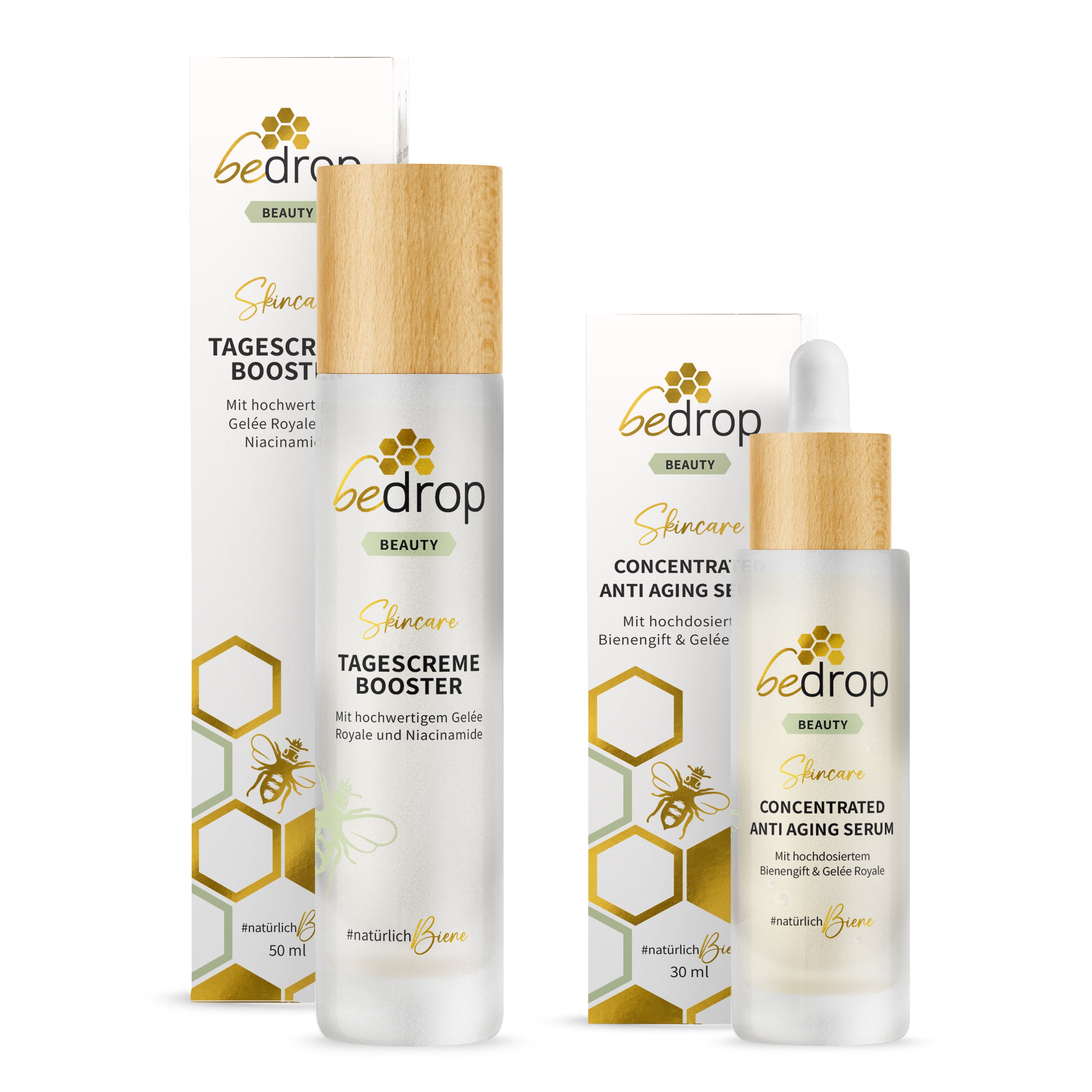
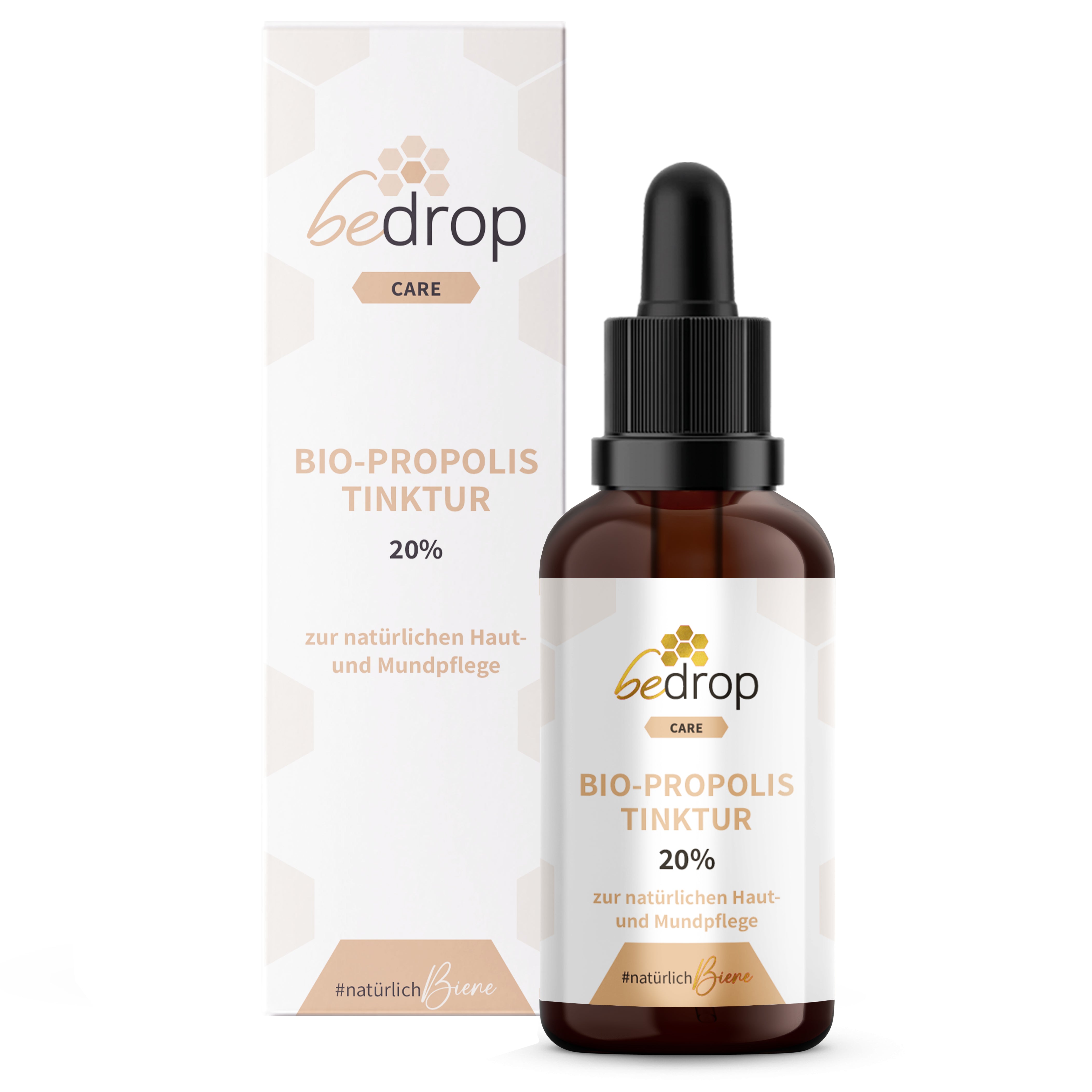
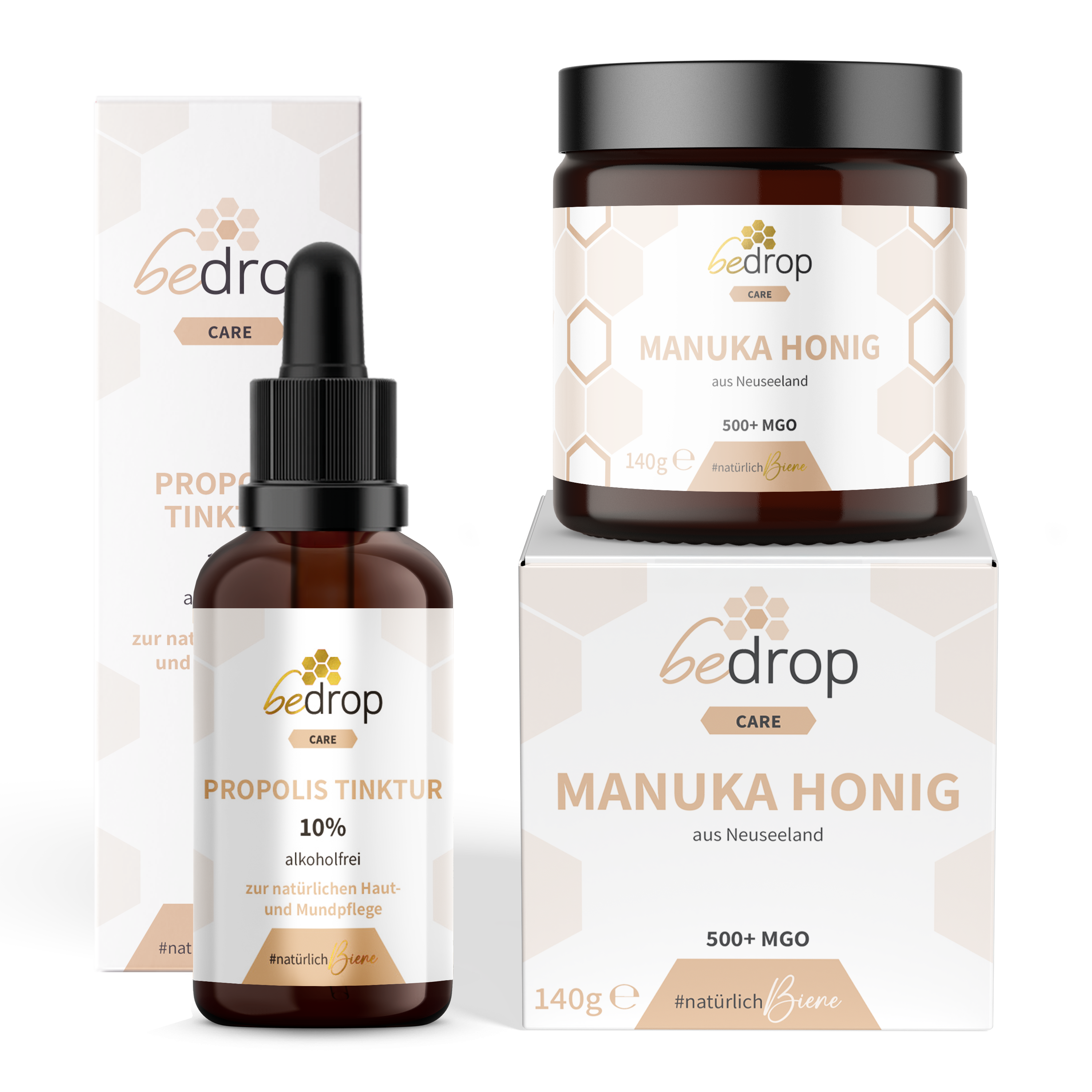
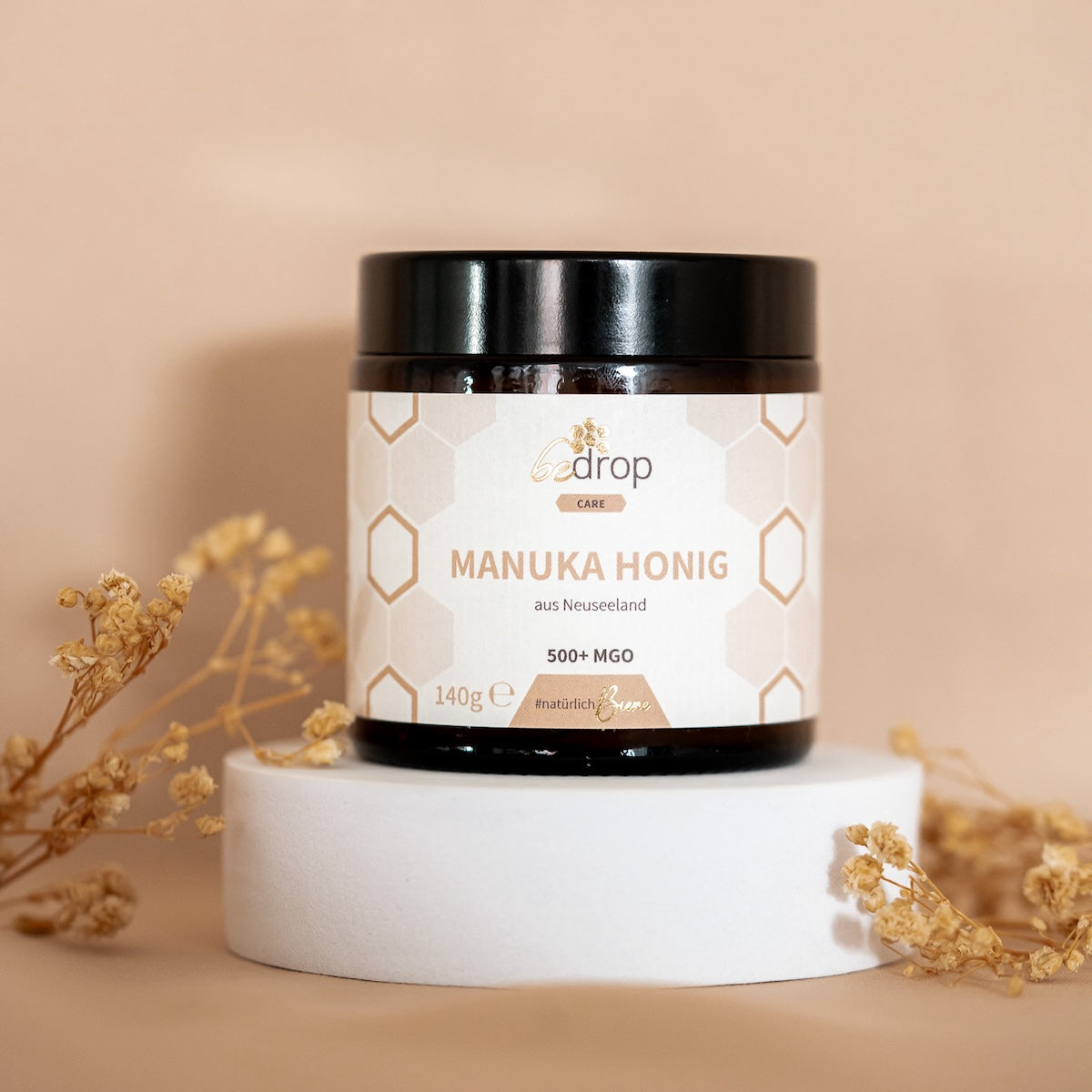
With every purchase you support our bee conservation project 🐝




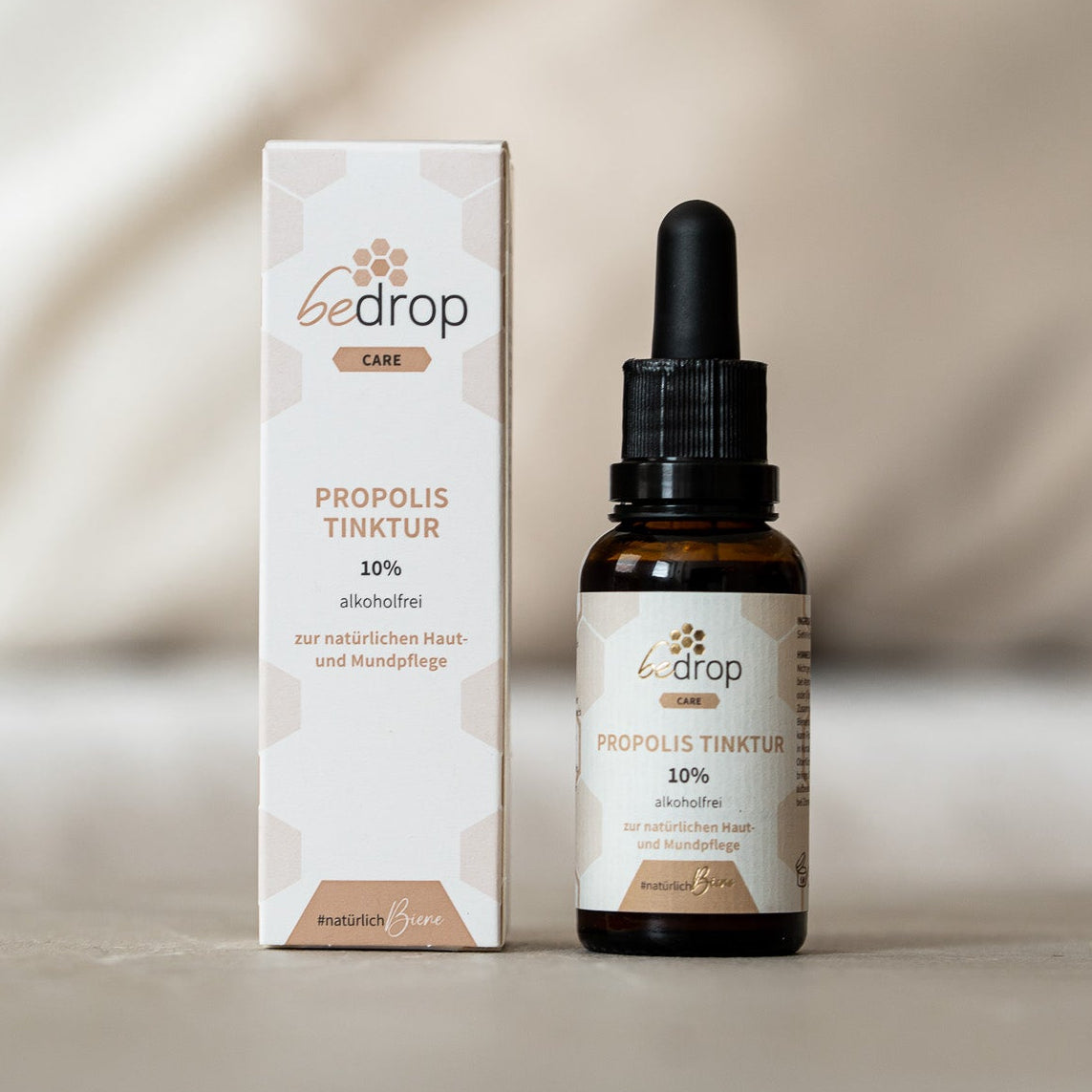
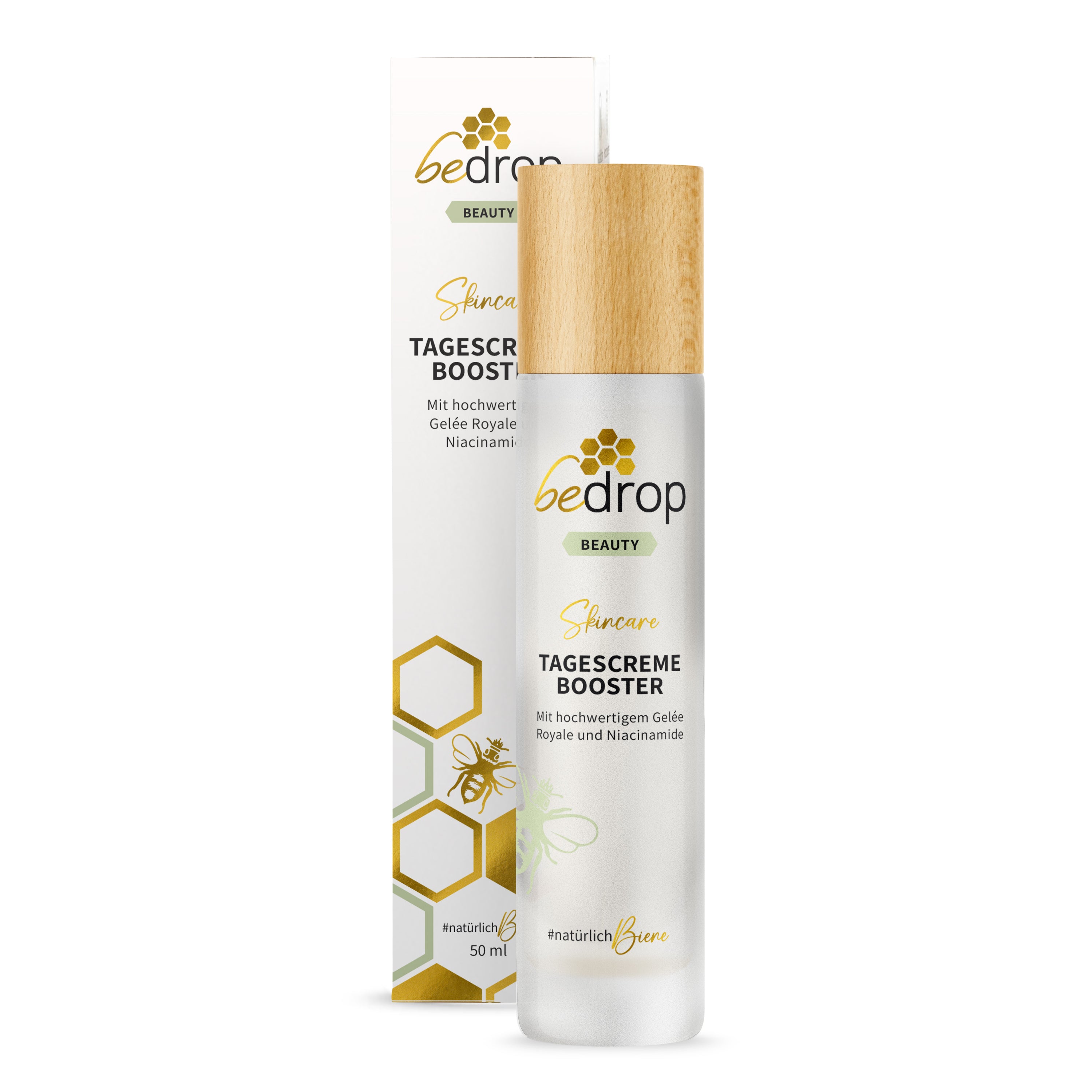
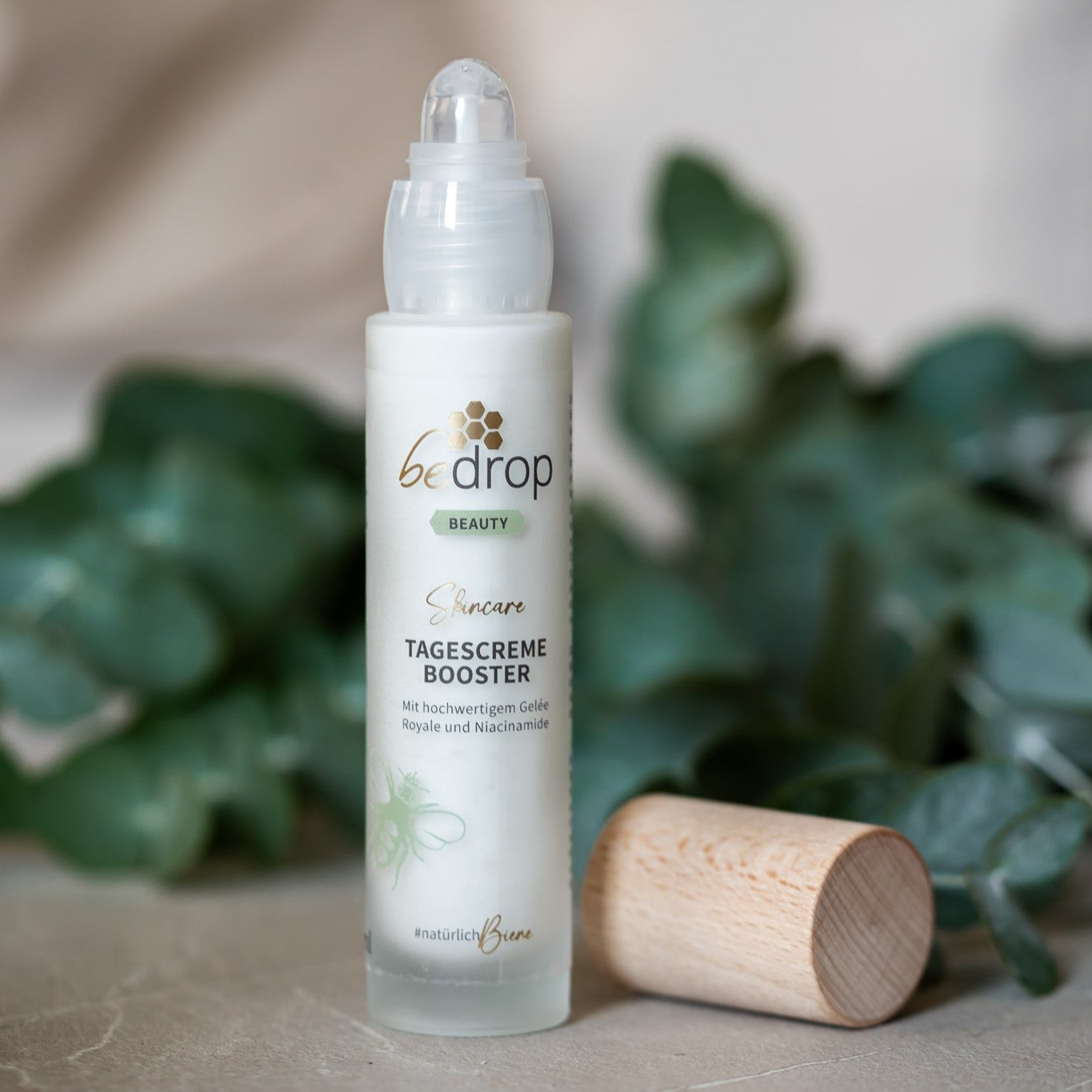
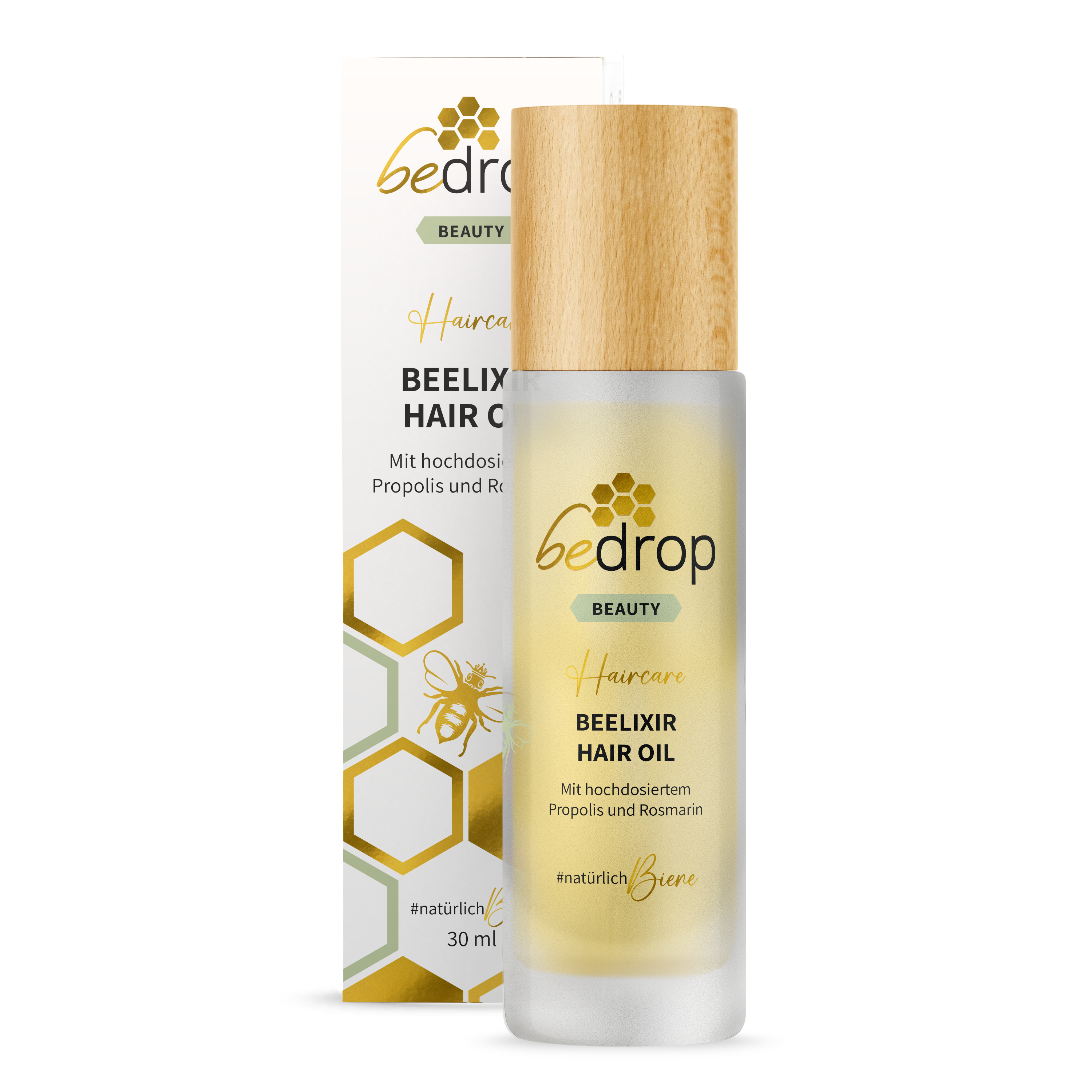



Beekeepers for bee welfare
World Bee Day was introduced by the United Nations in 2017. May 20 each year was declared World Bee Day to raise awareness of the importance of bees for our environment and food production. The introduction of World Bee Day followed a long campaign by beekeepers, environmentalists and other stakeholders advocating for the protection of bees and other pollinators.
What else can we do?
World Bee Day is an opportunity to raise awareness of the threats bees face and to take action to protect their habitats and food sources. Everyone can help with a few simple measures:
🐝 Bee-friendly plants - Plant flowering species in your garden or on your balcony that are rich in nectar and pollen. Examples include lavender, sunflowers and wildflowers
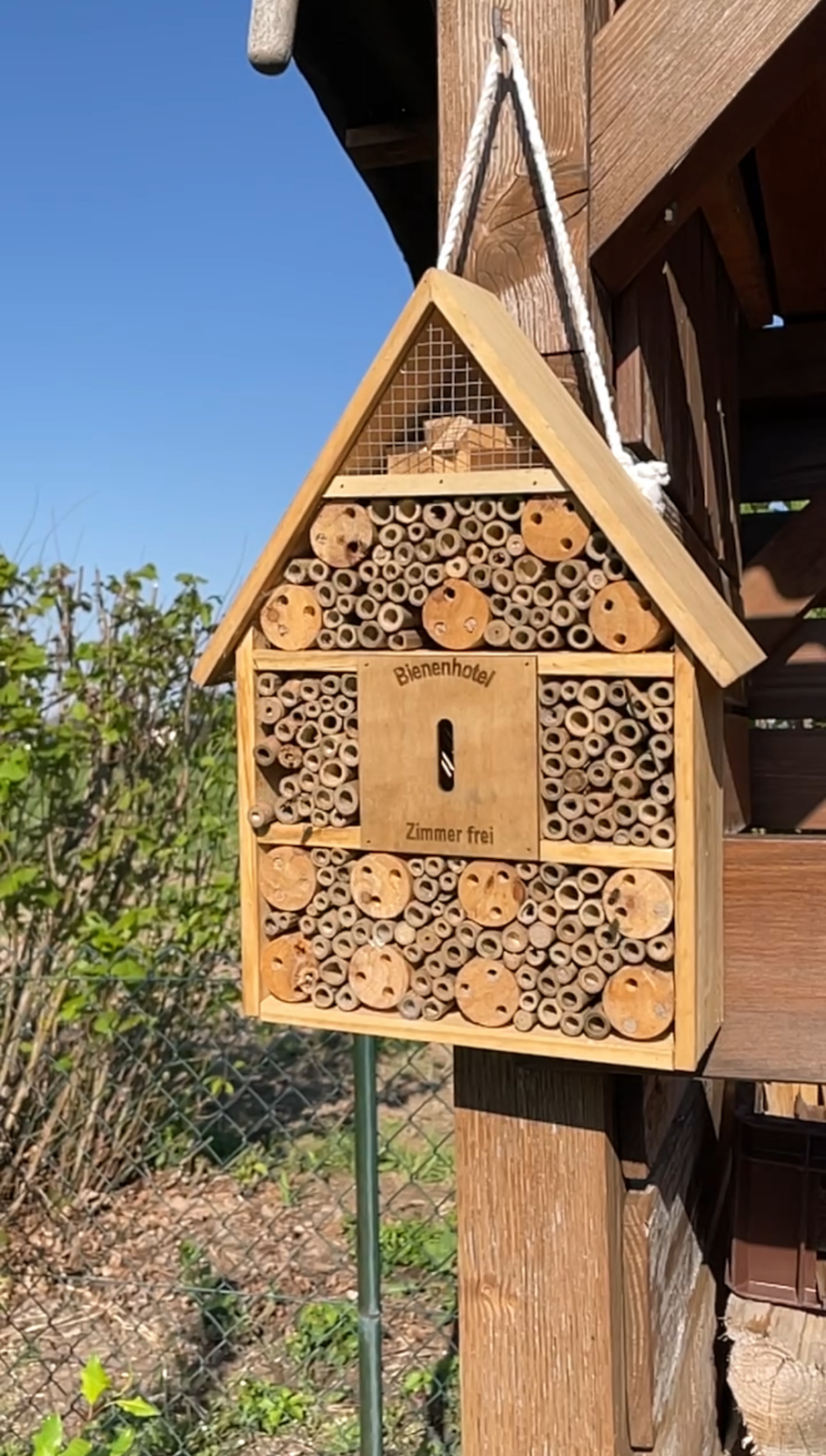
🐝 Nesting sites - Bees also need nesting places, such as bee hotels, in your garden or on your balcony
🐝 Avoid pesticides - These can harm bees. Instead, use natural pest-control methods or choose pesticides that are safe for bees
🐝 Water stations - Bees get thirsty on hot days after long flights, so provide a shallow water dish