


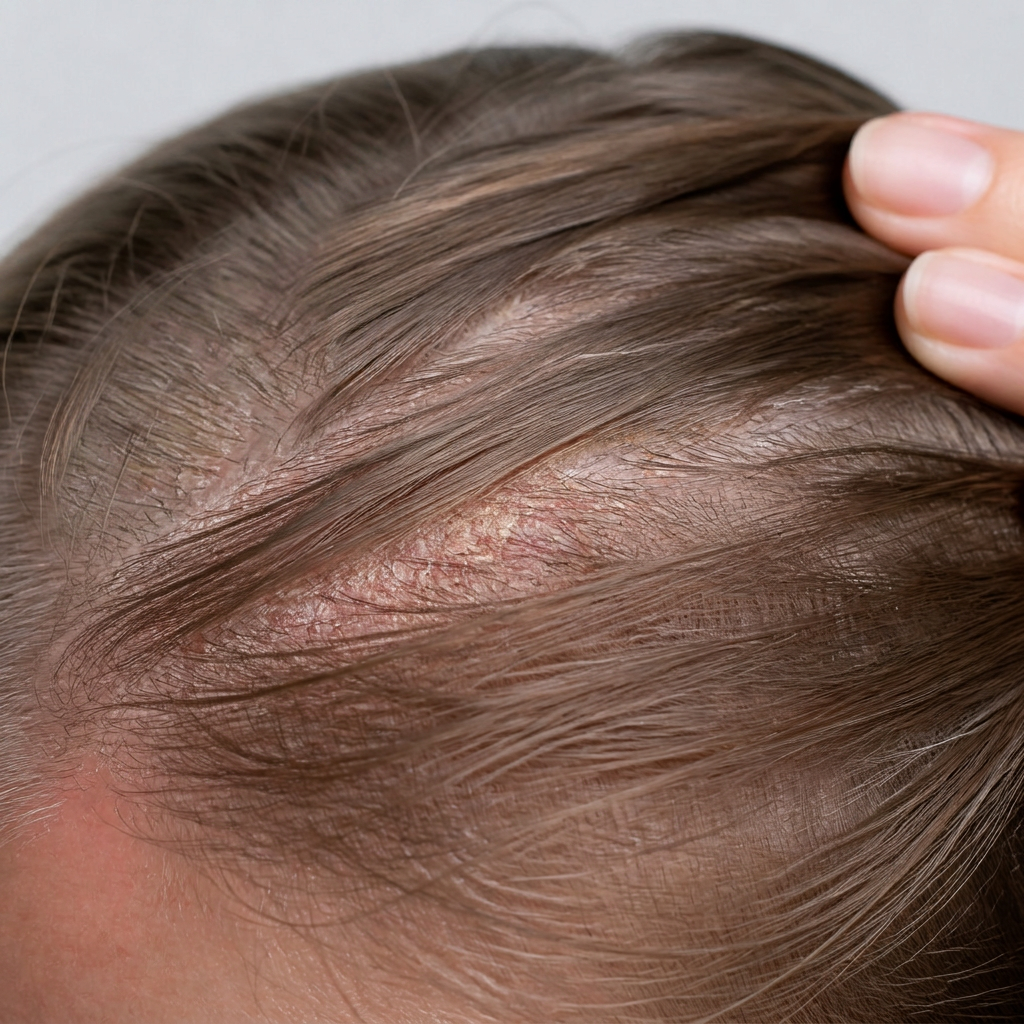
WHAT IS AN ITCHY SCALP?
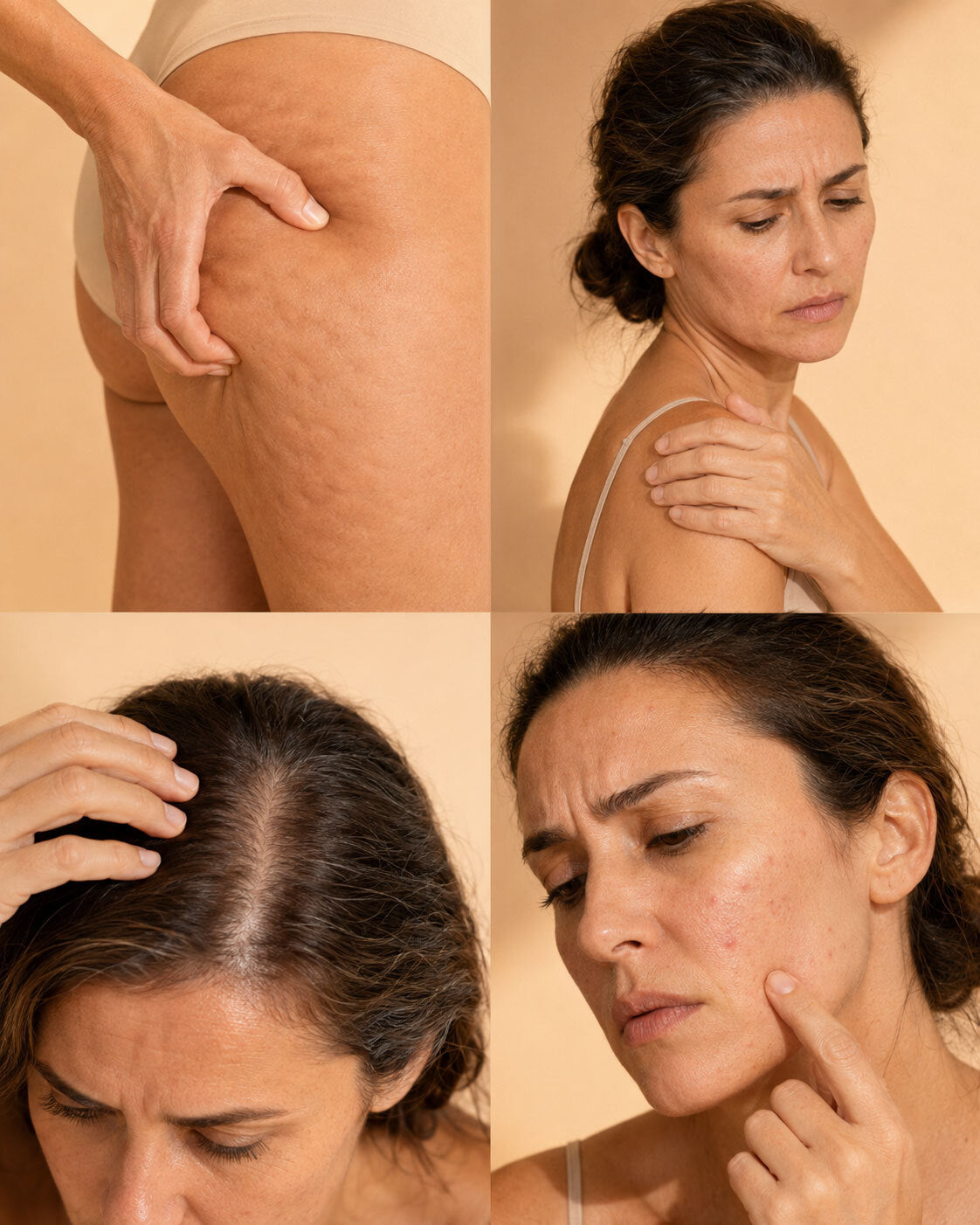
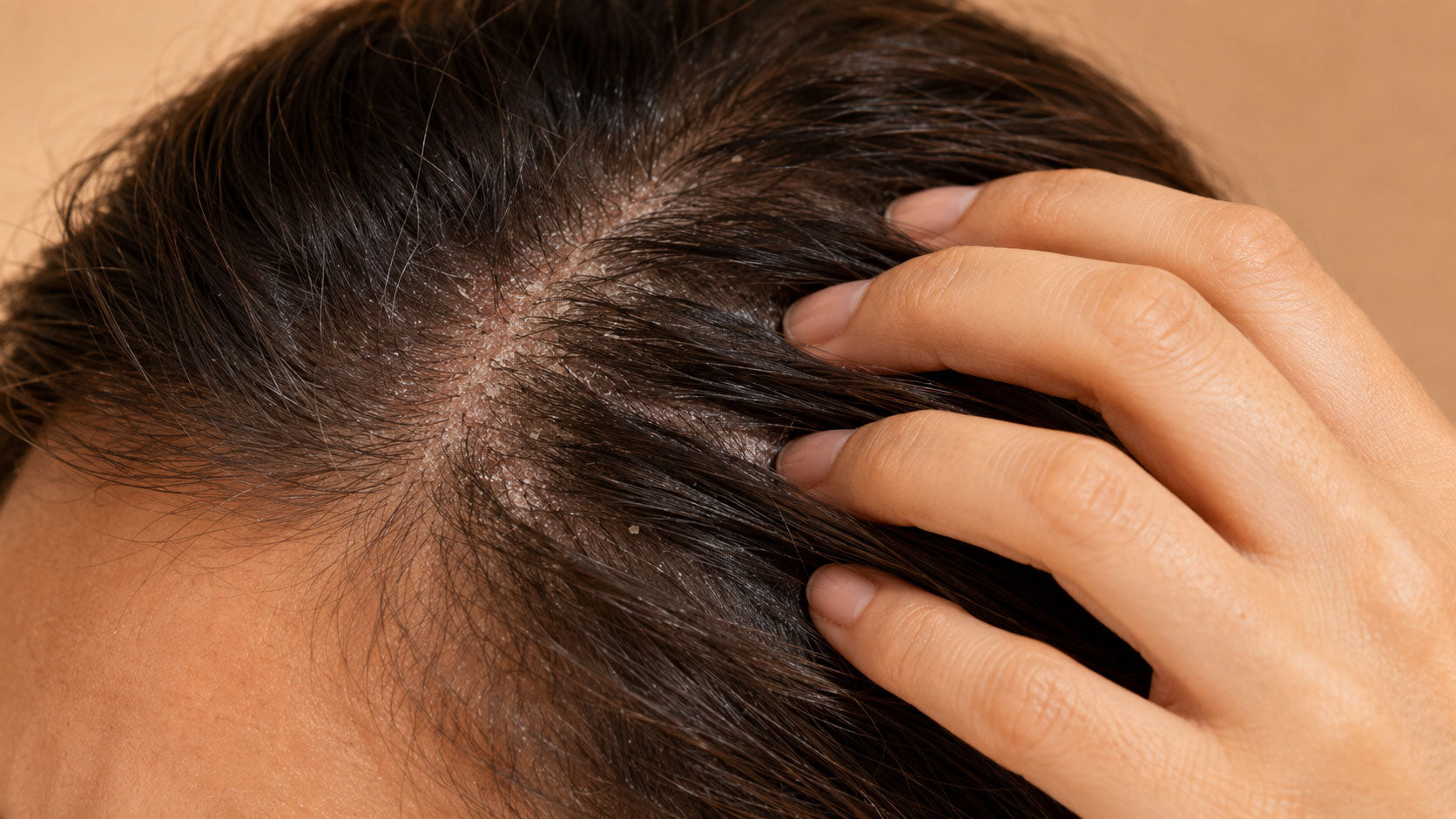
A dry, itchy or irritated scalp can show itself as redness, flaking and an unpleasant tight feeling. The scalp often looks unbalanced, and visible skin flakes can form and spread through the hair.
Such changes in the scalp’s appearance can persist for a long time and are experienced by many people as a strain on personal well‑being. The scalp’s appearance is individual and can be influenced by external factors or lifestyle.
Regular, gentle care tailored to the needs of sensitive scalps supports a comfortable scalp feeling and helps the scalp appear cared for and balanced.
The causes of dry scalp can include genetic predisposition, stress, hormonal fluctuations and an overgrowth of the yeast Malassezia.

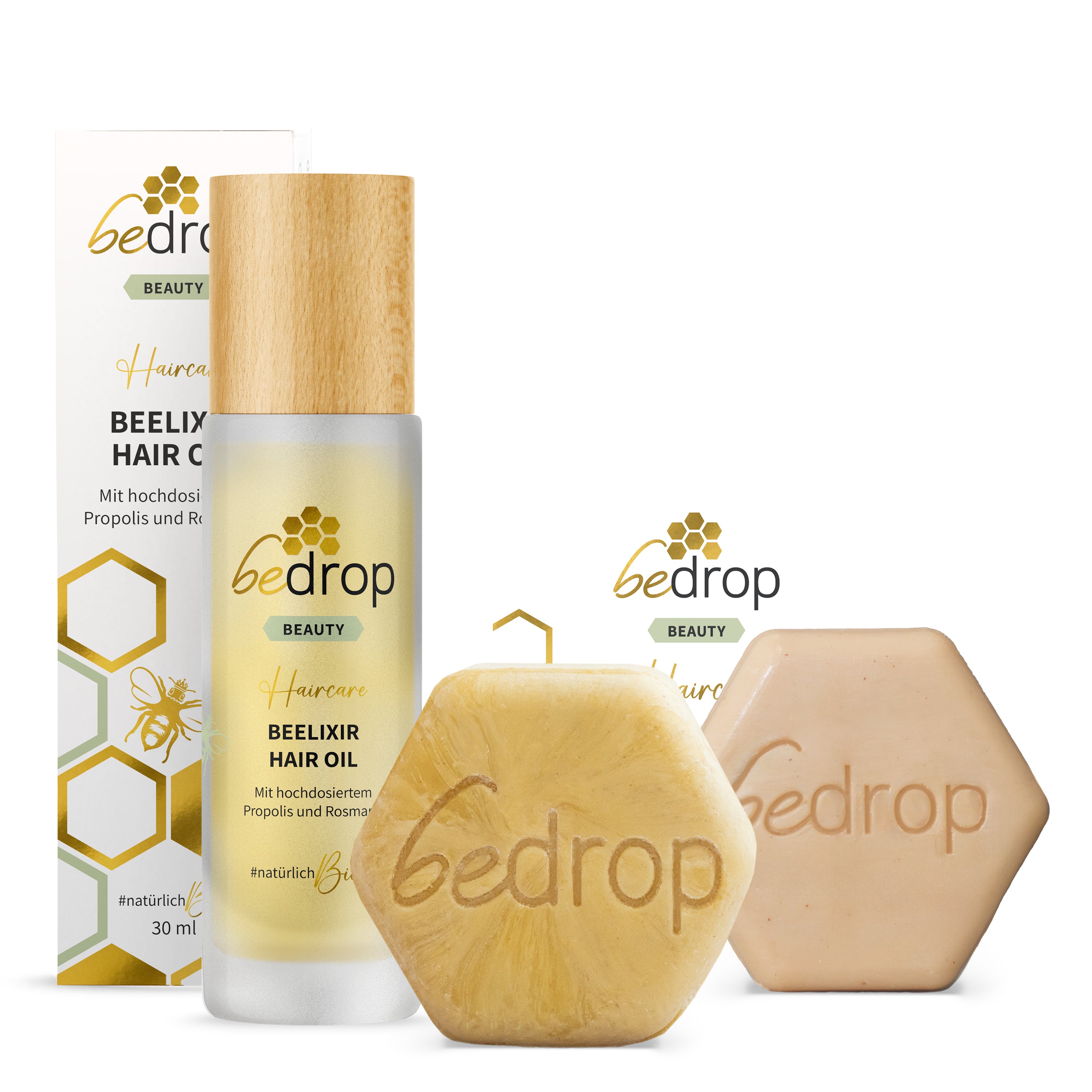
For supplementary skincare
HAIR CARE SET
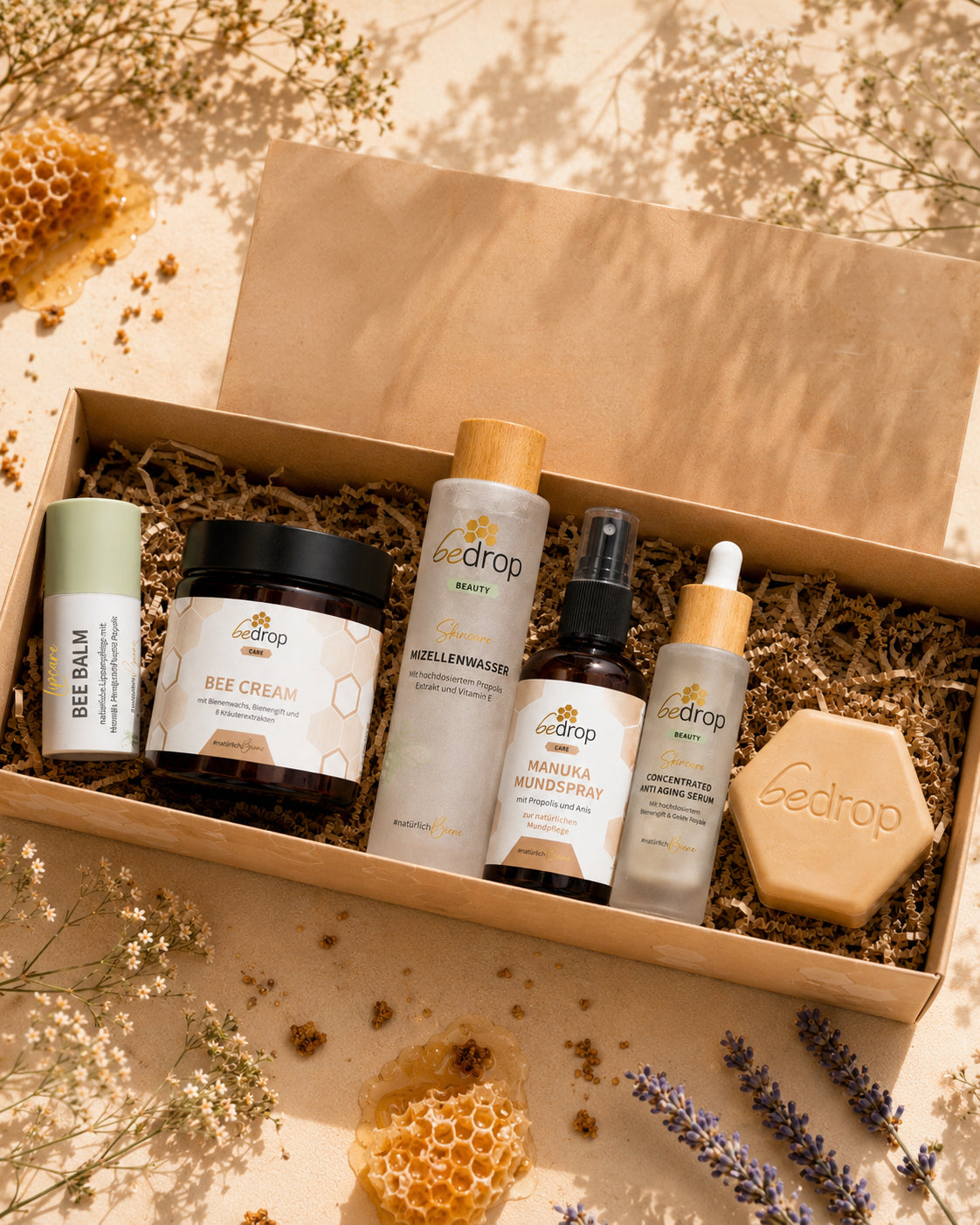
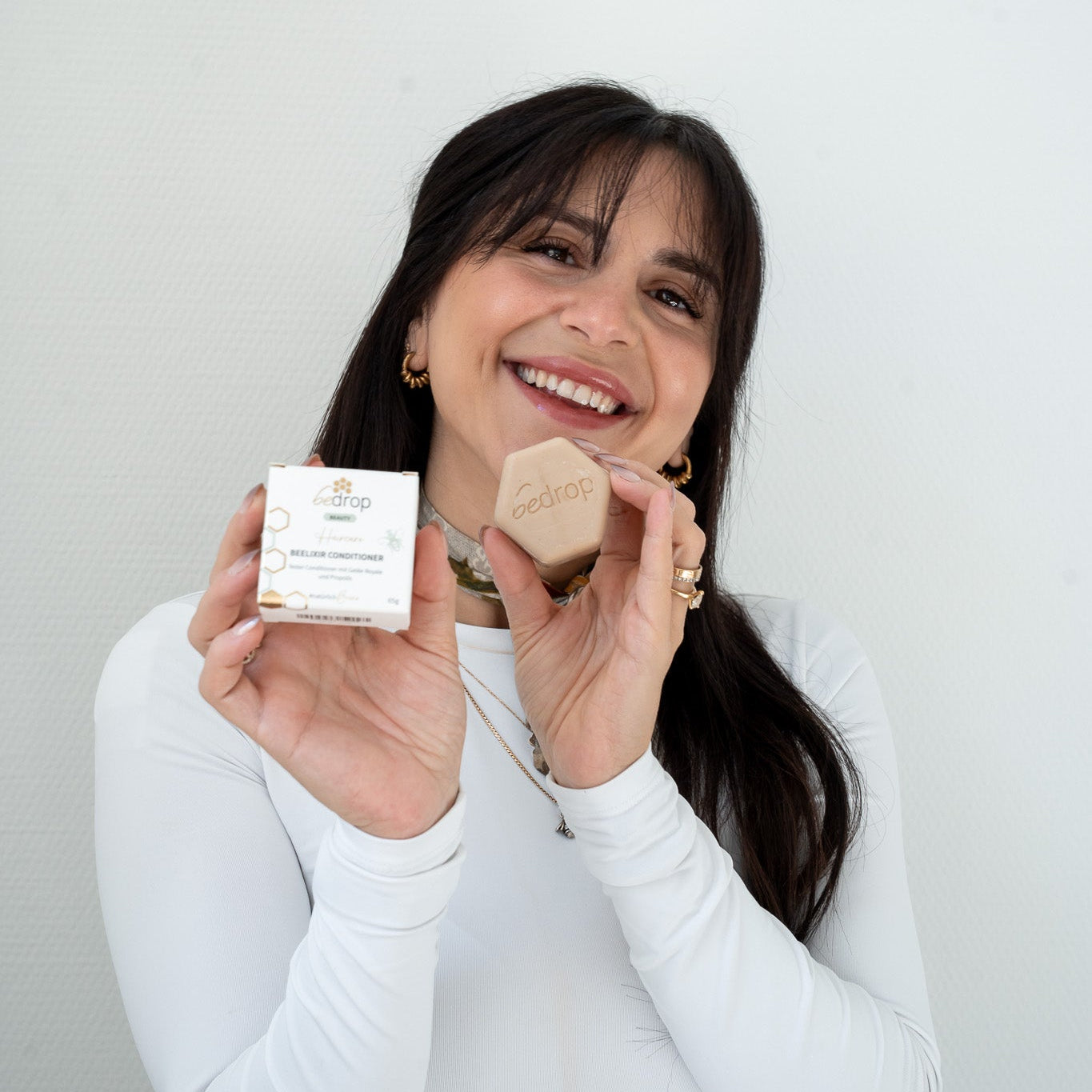
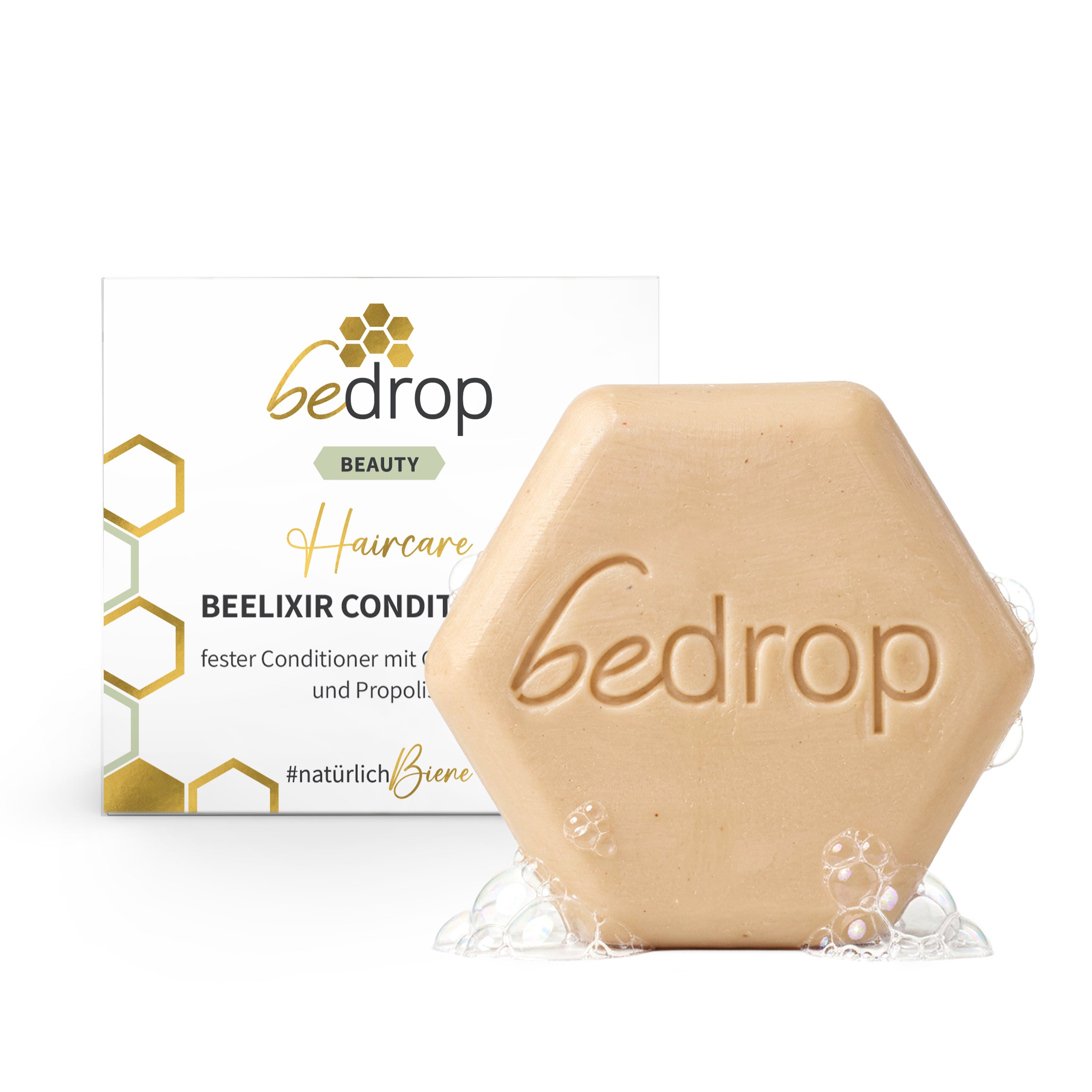
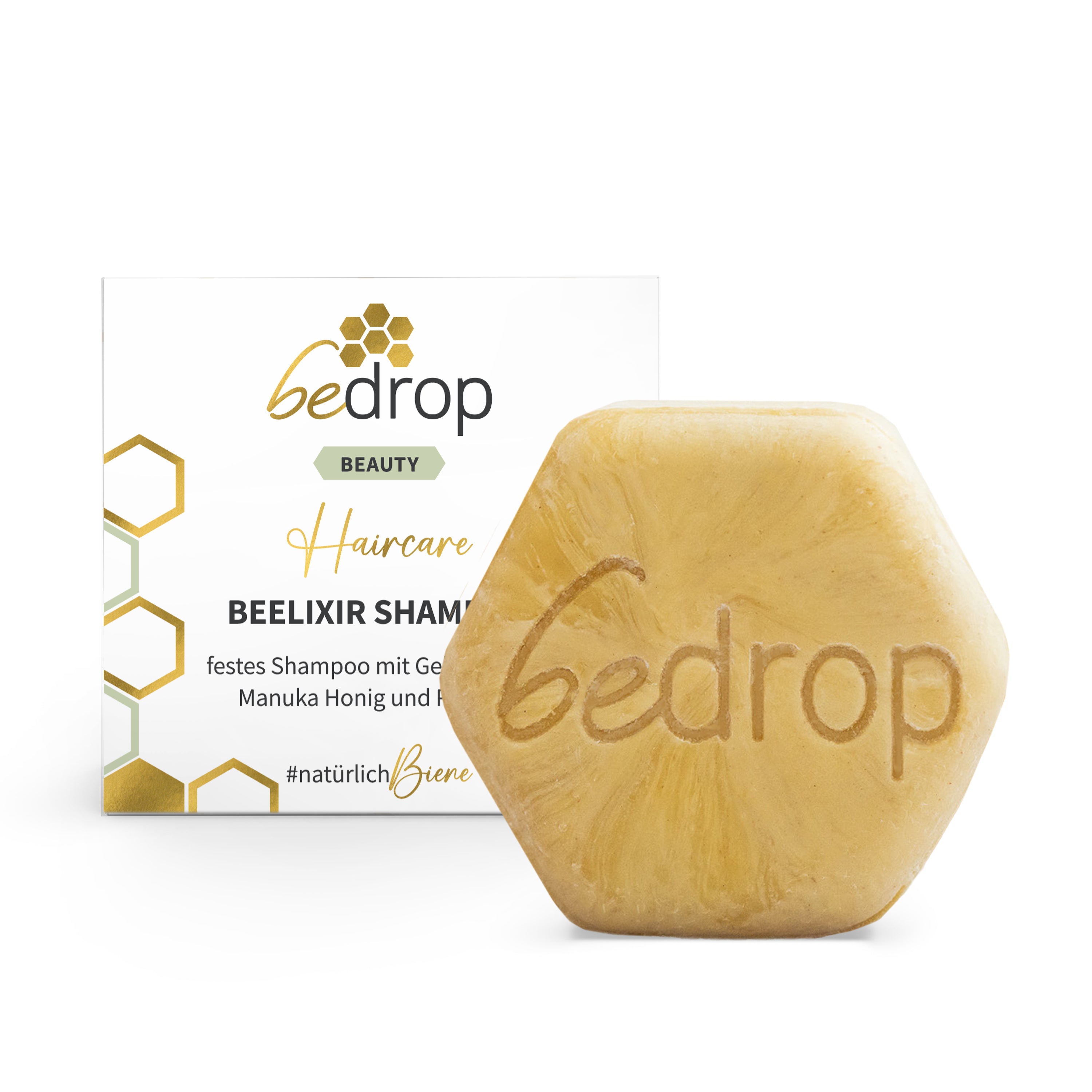
We recommend using our HAIR-CARE-SET as an additional step in your routine for dry, troubled scalp.
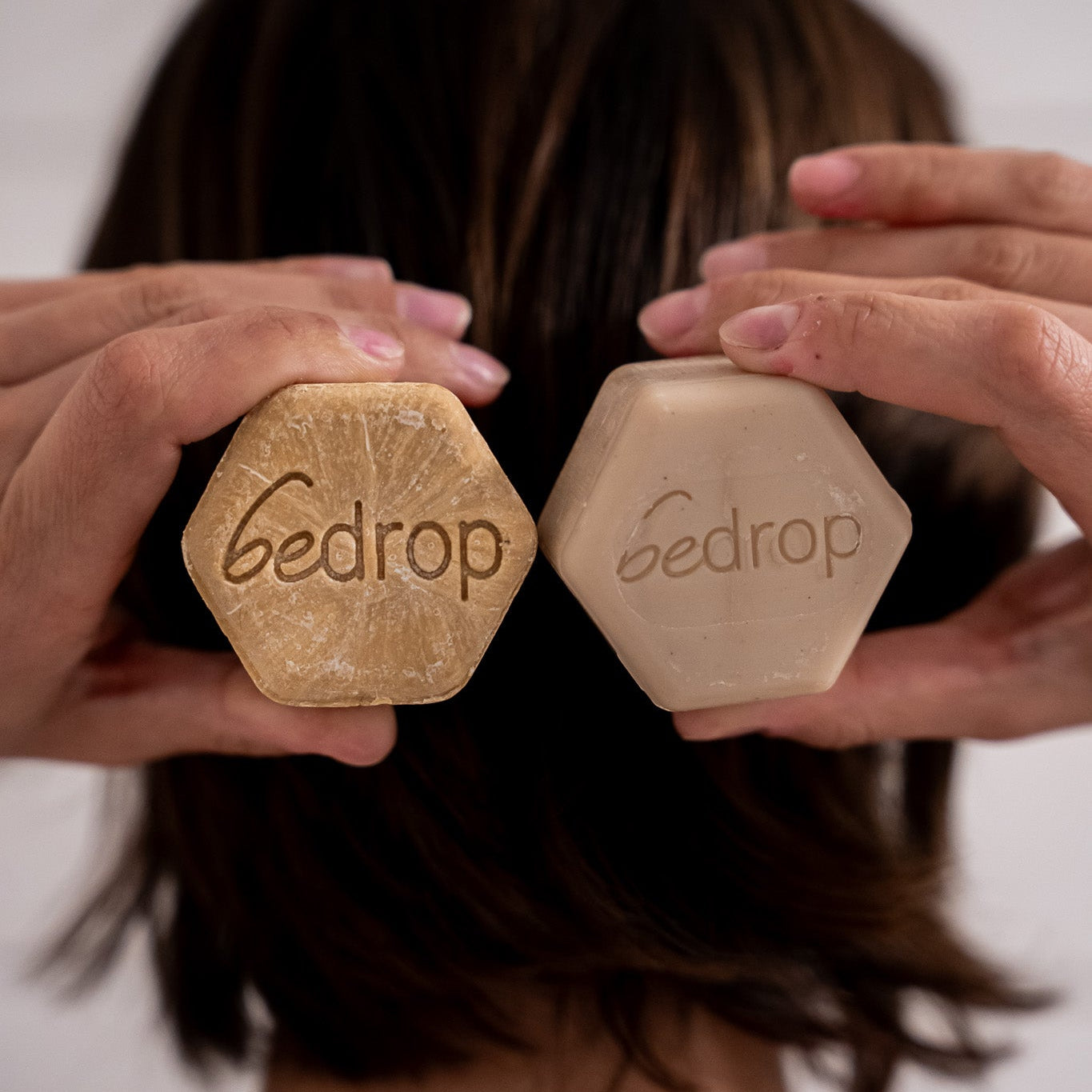
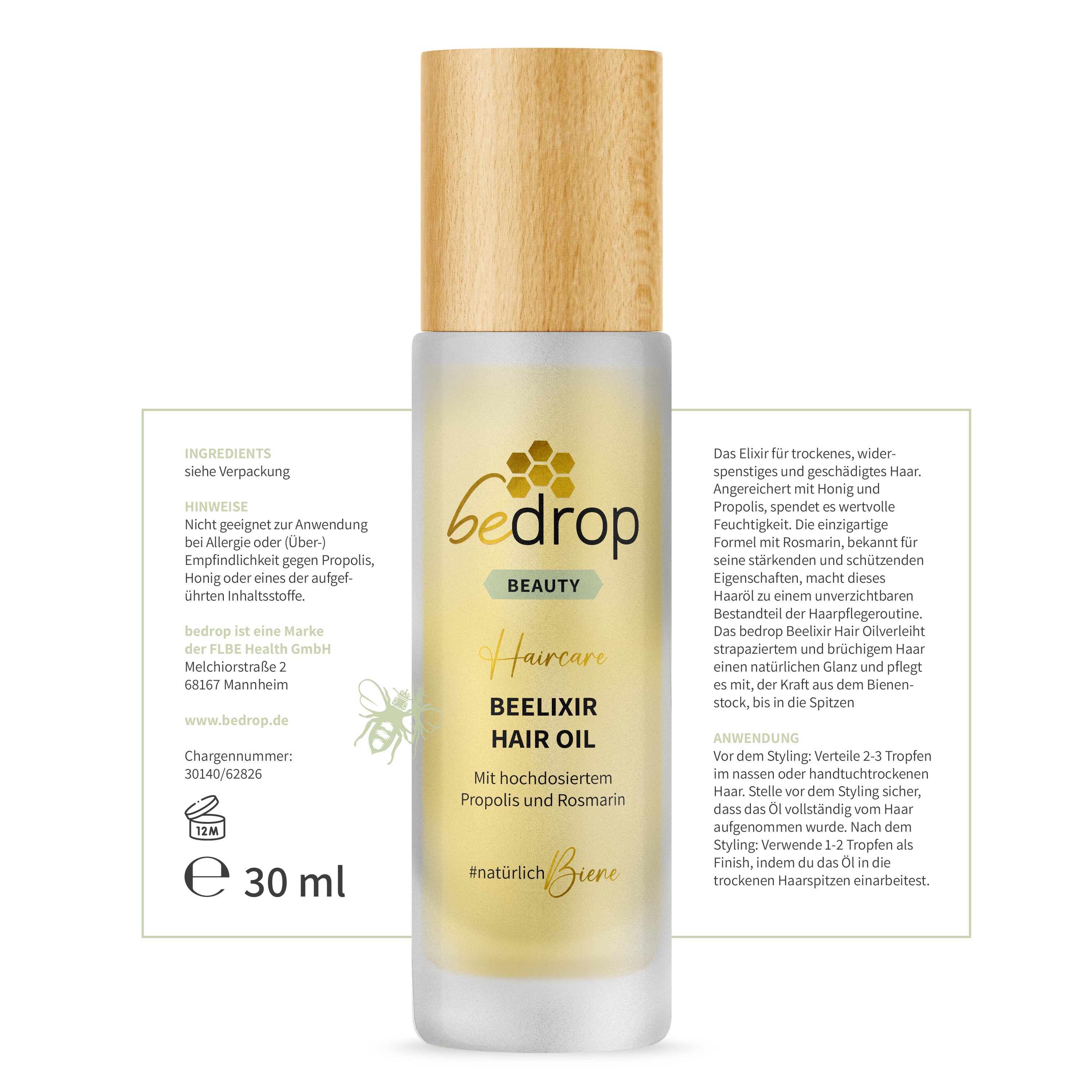
Gelée Royale Shampoo and BEELIXIR HAIR OIL
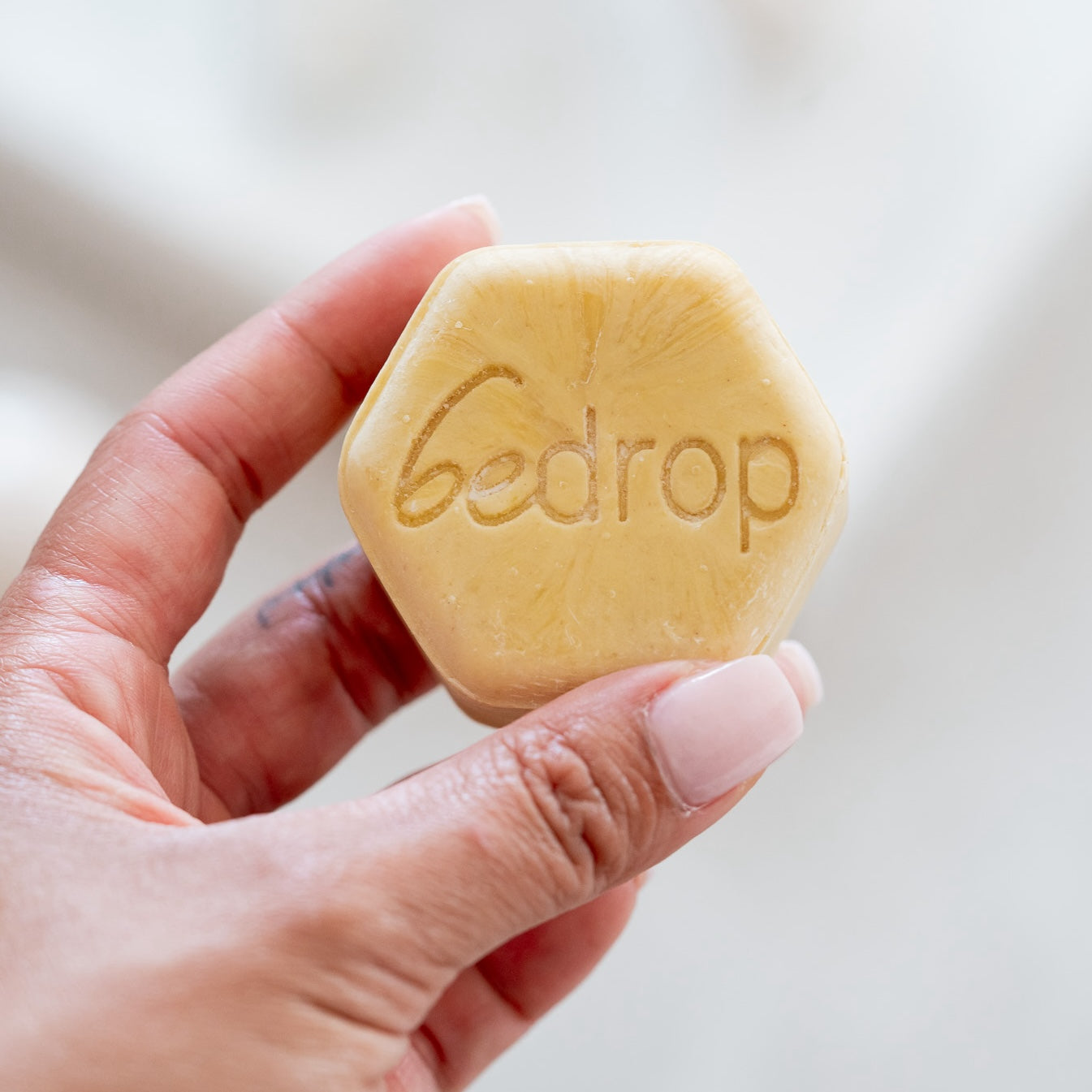
Gelée Royale is a valuable natural ingredient commonly used in skin and hair care. For scalp eczema, Gelée Royale in shampoos can help to gently cleanse and deeply nourish the scalp.
The nutrients in Gelée Royale support the scalp’s moisture balance, which can be especially helpful for dry, irritated skin. Regular use of a Gelée Royale shampoo can naturally care for the scalp and improve its overall appearance.
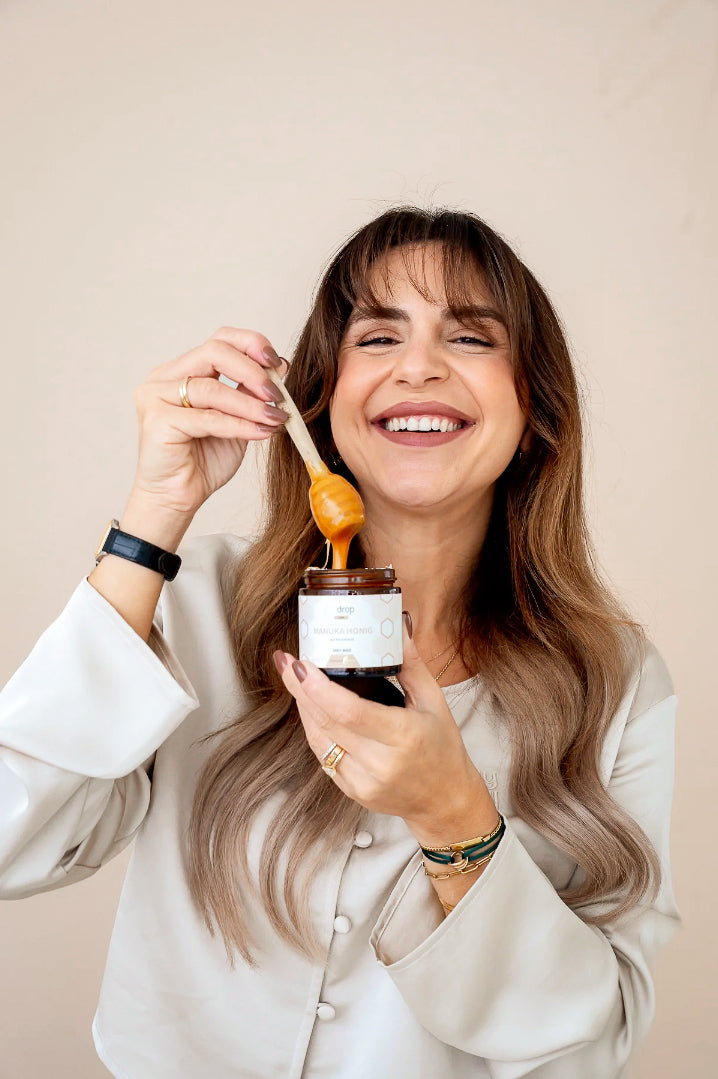
Using our Beelixir can also be helpful. Beelixir is a blend of Manuka honey, propolis and rosemary extract, known for its soothing and caring properties. Manuka honey nourishes and hydrates the skin, while propolis can help protect and care for the scalp. Rosemary extract helps stimulate circulation, which is important for a healthy scalp.
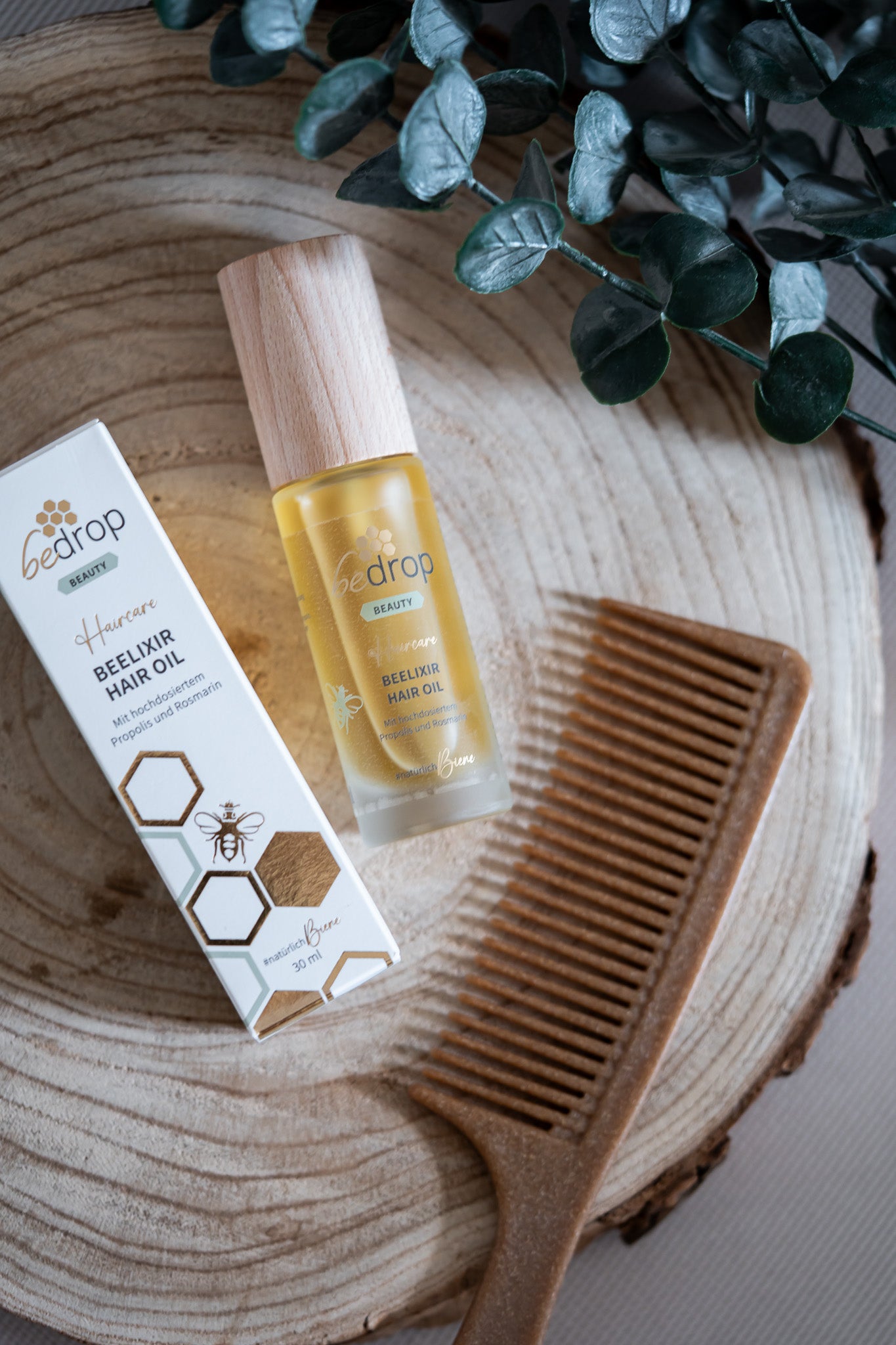
For supplementary care of skin and hair
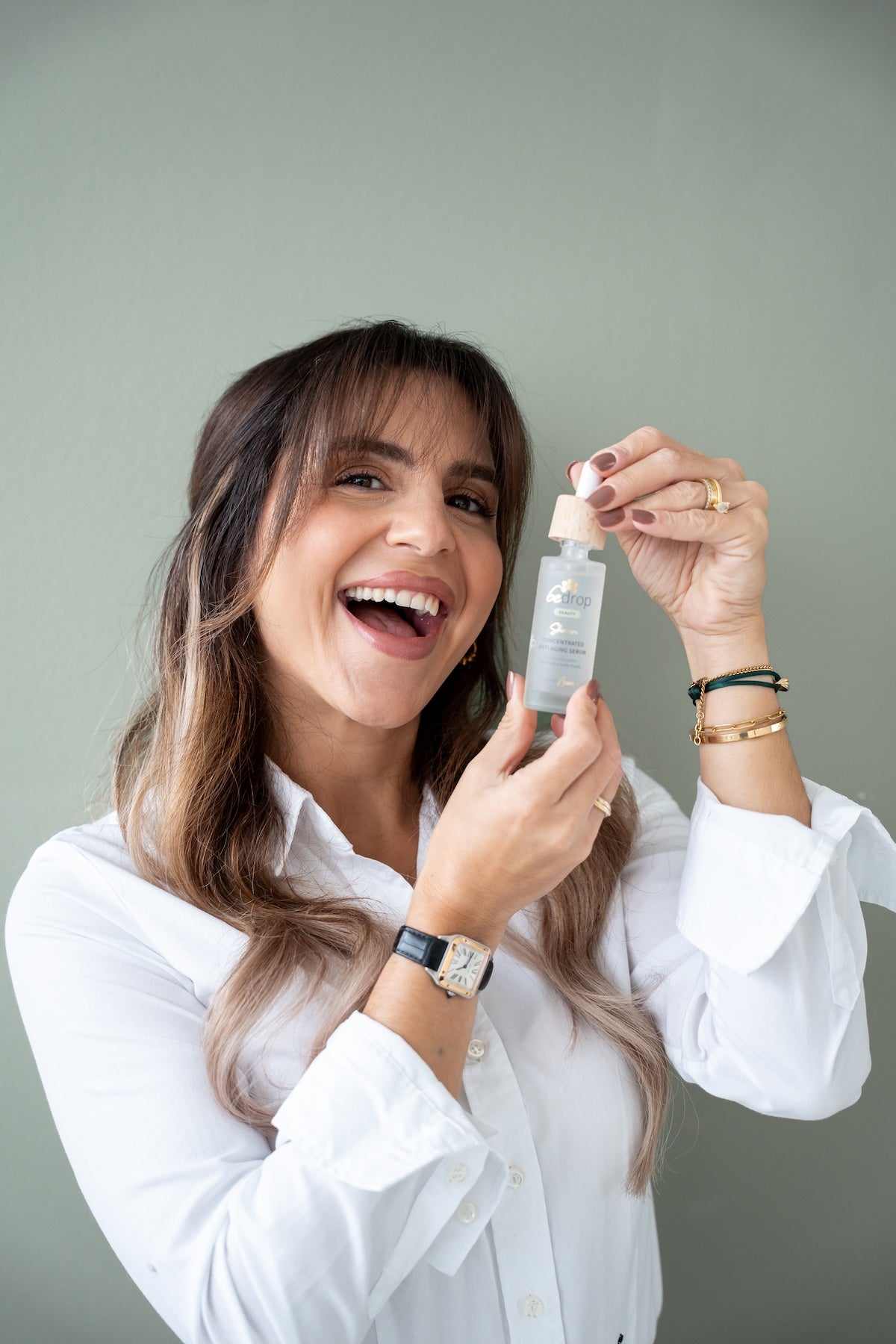
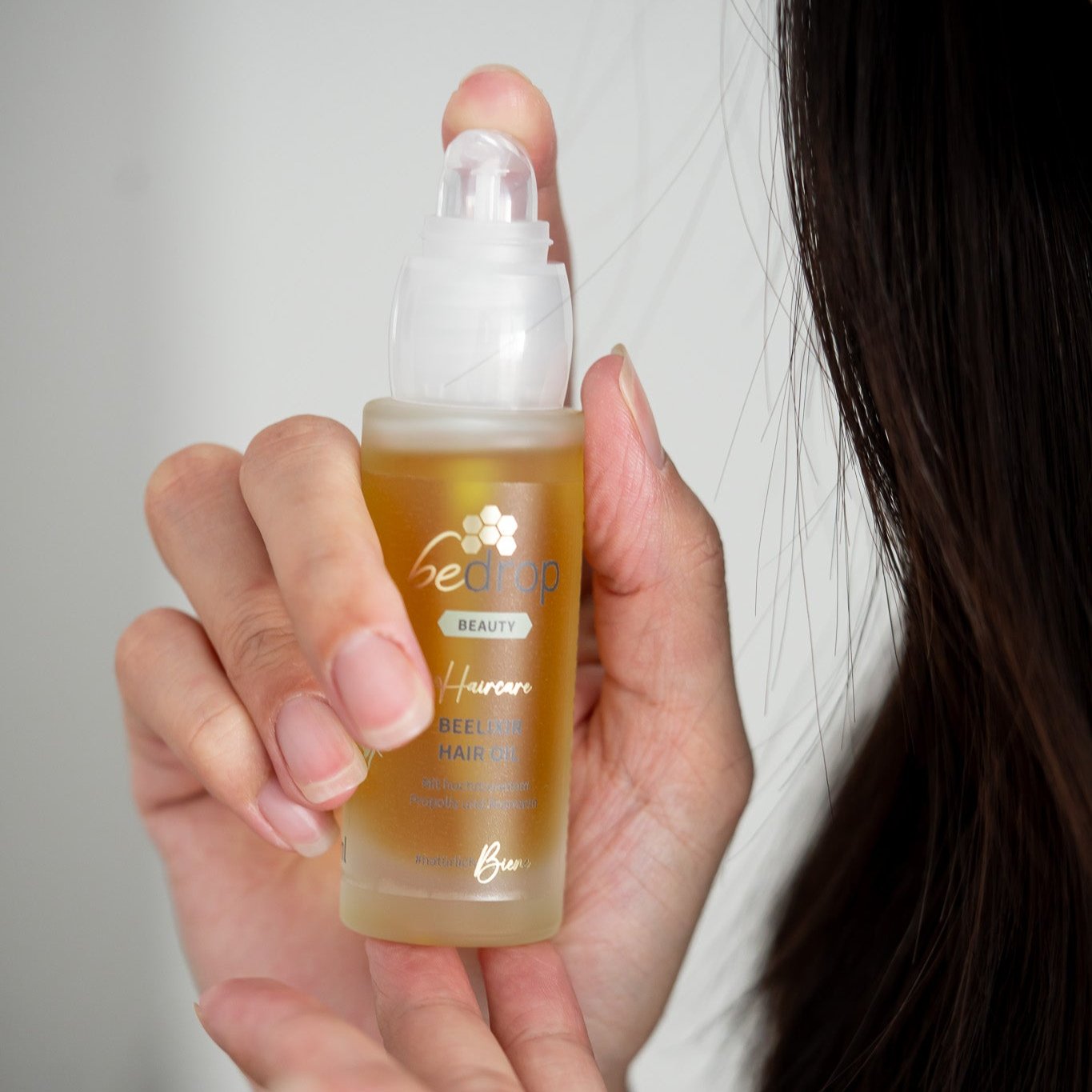
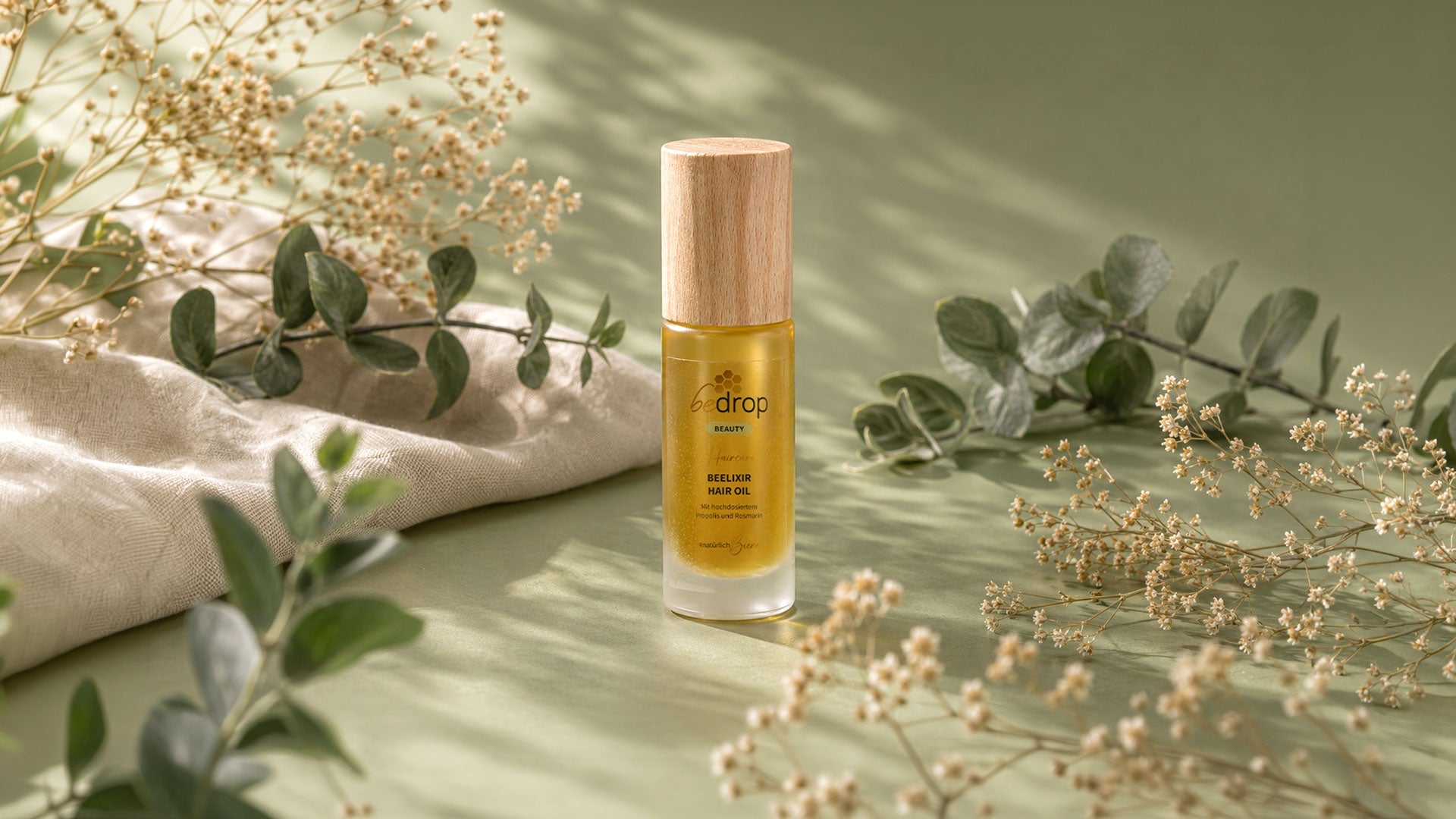
BEELIXIR HAIR OIL
Because scalp needs are highly individual, it reacts differently to external influences. Gentle, scalp‑targeted care supports a comfortable, balanced scalp feeling.
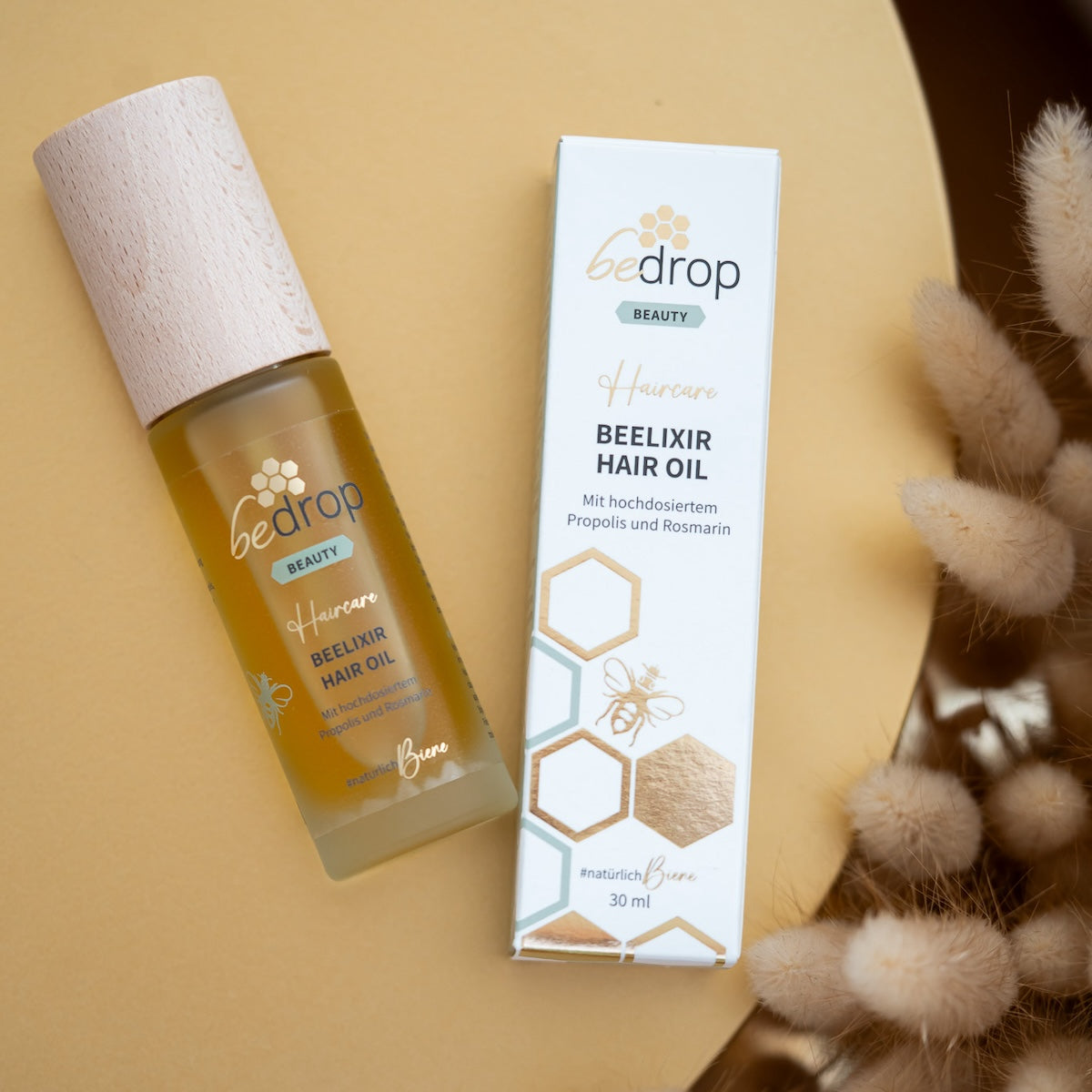
100% natural propolis to support the skin barrier
 Suitable for all hair types
- nourishing, strengthening & regenerating
- Ideal for daily use
- for hair growth & natural care
 Suitable for all hair types


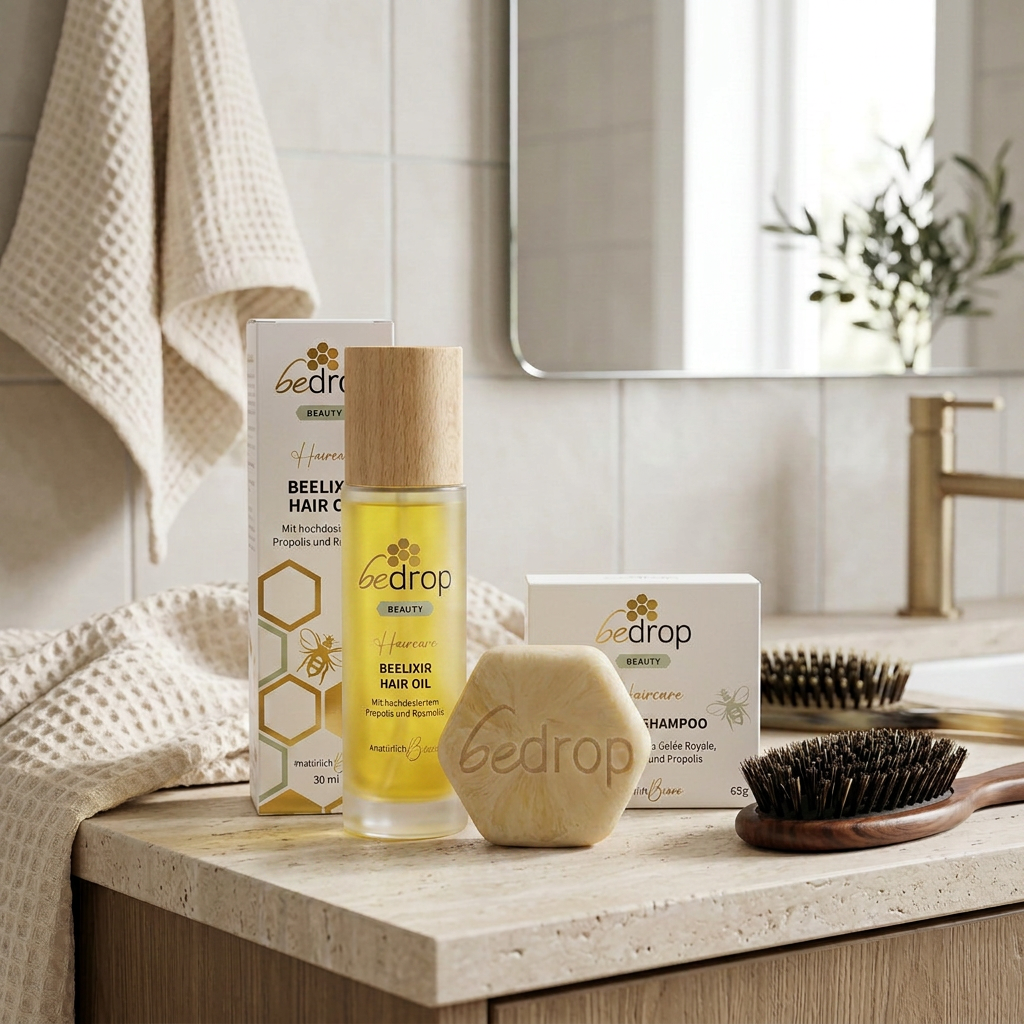
NATURAL HAIR CARE
Application recommendation
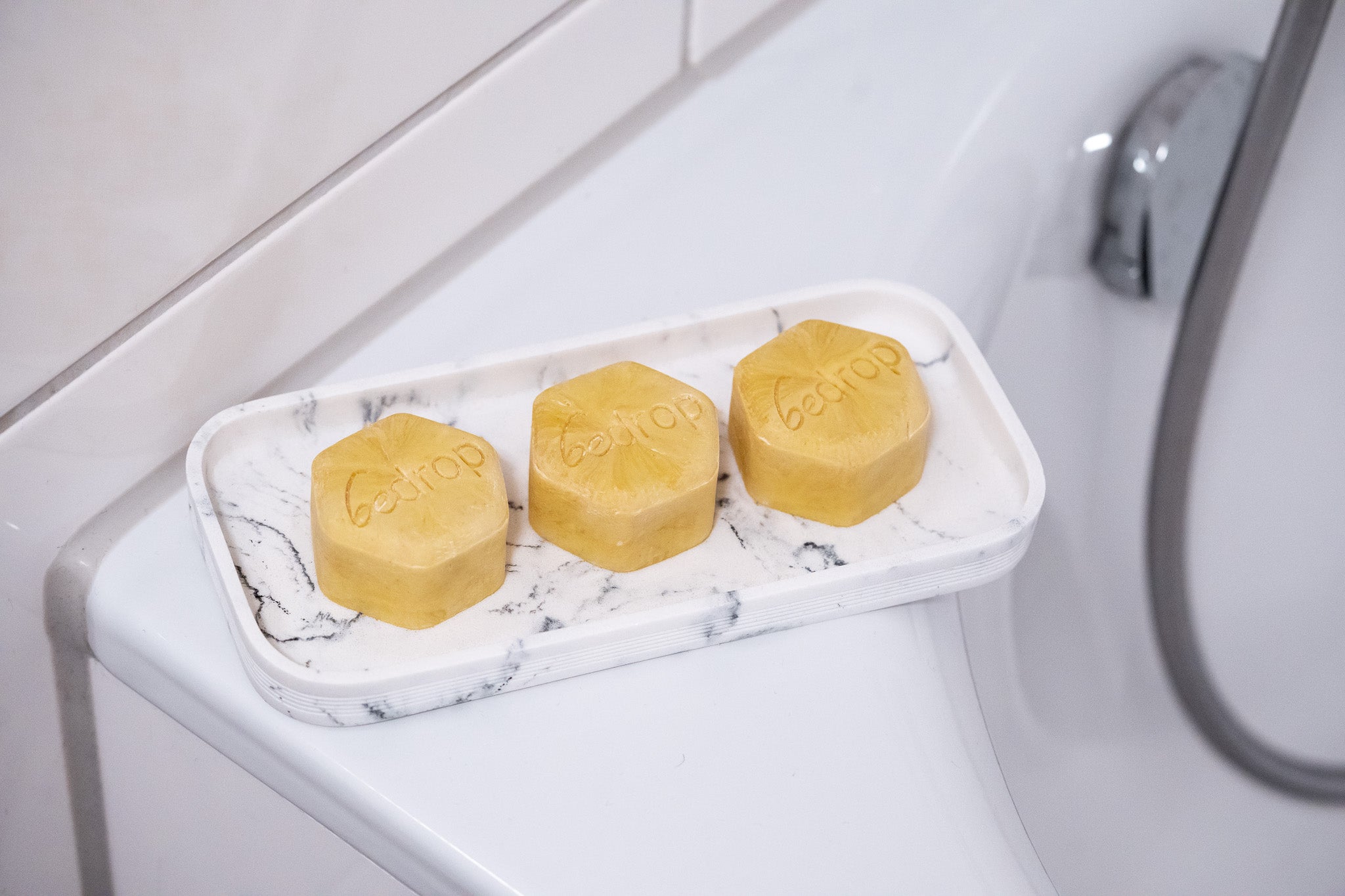
Gelée Royale Shampoo:
Circle the solid Gelée Royale shampoo in your wet hand or on wet hair to create a lather. Massage in thoroughly and rinse well.
BEELIXIR HAIR OIL
Before styling:
Distribute 2 pumps through damp or towel‑dried hair. Before styling, make sure the oil has been fully absorbed into the hair.
After styling:
Use 1–2 pumps as a finishing touch, working the oil into the dry ends.
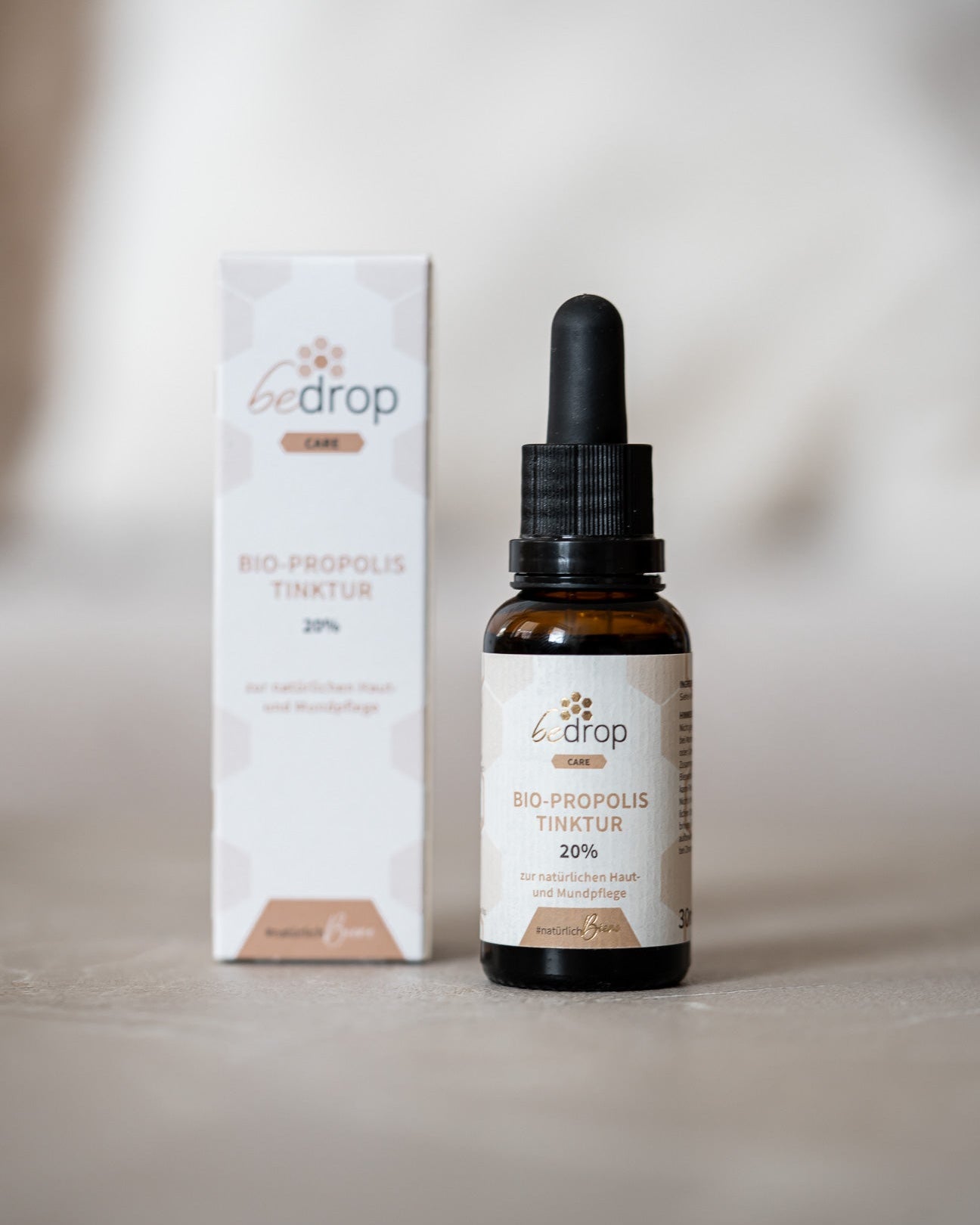
WHAT OUR CUSTOMERS SAY
Truly amazing! I searched for a solution to my scalp eczema for a long time, and the Gelée Royale Shampoo combined with the BEELIXIR HAIR OIL finally helped. The flakes have noticeably reduced and my scalp feels much healthier.
Great products! They feel soothing and nourishing, and my scalp finally feels normal again.
I was sceptical at first, but now I’m simply thrilled with the results! My dandruff is almost completely gone.
Since I started using the Gelée Royale Shampoo, my scalp has noticeably calmed. The flakes and itching have almost completely disappeared, and my hair feels healthier than ever. I never thought a shampoo could make such a difference!
Seborrheic Dermatitis of the Scalp: Combating Flaky Patches with the Power of Bees
If your scalp often feels irritated or flaky, you’re not alone: About 5% of Germans have experienced seborrheic eczema on their scalp¹. Typical symptoms of seborrheic dermatitis include redness, oily, yellow flakes, and itching—sometimes also at the hairline, on the face, or around the ears. The scalp, in particular—as a hotspot for sebaceous glands—is frequently affected by seborrheic dermatitis.
The good news: With the right knowledge and a suitable skincare routine, you can help support your scalp’s natural balance. Bedrop offers all-natural products for this purpose—with the power of bees for your scalp care, along with advice and tips for managing seborrheic dermatitis in your daily life.
What Is Seborrheic Eczema?
Seborrheic eczema (or seborrheic dermatitis) is a chronic, inflammatory, non-contagious skin condition. It tends to occur in areas with many sebaceous glands—such as the scalp, face, ears, chest, or back² ³. Characteristic symptoms include oily, yellowish flakes and usually mild redness, often accompanied by occasional itching or a feeling of tightness.
Unlike other conditions such as psoriasis (large, silvery scales) or atopic dermatitis (where the skin is often very dry and itches intensely), the scales in seborrheic eczema are significantly oilier and the redness is less pronounced³.
Comparison of the most common scalp conditions:
Seborrheic eczema
- Type of dandruff: oily, yellowish
- Main symptoms: mild redness, itching
- Affected areas: scalp, face, ears
- Contagious?: No
Psoriasis
- Type of dandruff: large, silvery-white
- Main symptoms: severe redness, thick plaques
- Affected areas: Scalp, elbows, knees
- Contagious?: No
Atopic dermatitis
- Type of dandruff: small, rather dry
- Main symptoms: severe itching, dry skin
- Affected areas: Elbow creases, face, neck
- Contagious?: No
In a nutshell: Seborrheic dermatitis primarily affects the scalp and face, is not contagious, and requires evaluation by a specialist, particularly to distinguish it from other skin conditions such as psoriasis or atopic dermatitis¹.
Who is particularly affected by seborrheic dermatitis of the scalp?
Young adults (ages 20–40) are particularly affected, and men are affected at a higher-than-average rate³ ⁴. Babies can also develop what is known as “cradle cap”—this is usually harmless and only occurs temporarily. In addition to a family history, the risk also increases with certain medical conditions.
Important: Although seborrheic dermatitis of the scalp is clearly visible, it is not dangerous. With proper care, the condition can usually be kept well under control².
Typical Symptoms: How to Recognize Seborrheic Eczema on the Scalp
These symptoms are typical:
- Redness (often at the hairline, ears, and nose)
- Oily, yellowish scales (more sticky than flaky)
- Itching and a feeling that the scalp is “tight”
- Sometimes: Crusts or small areas of inflammation on the head
Seborrheic dermatitis is clearly distinguished from normal dandruff by the greasiness and color of the flakes. It is usually chronic and recurs in flare-ups. The dandruff and redness can be distressing—which is why knowledge, understanding, and optimal care are helpful for improving your well-being.
What are the triggers for seborrheic dermatitis?
Although not all details have been fully clarified yet, the following factors are considered the main causes of scalp eczema:
- Excessive sebum production
the scalp becomes oily
- Malassezia yeast
lives on everyone’s skin but can trigger inflammation when the skin’s balance is disrupted¹²³. Although Malassezia yeast is not the only trigger, it plays an important role when the skin’s natural balance is disrupted
- Genetic predisposition and a compromised skin barrier
- A weakened immune system and certain pre-existing conditions
Checklist: What makes seborrhoeic eczema worse?
Known trigger factors:
- Stress (emotional/psychological)
- Hormonal changes
- Unfavourable diet (high in sugar, fat, alcohol, spicy foods)
- Cold, dry heating air
- Unsuitable care products (harsh shampoos, water that’s too hot, vigorous towel-rubbing of the hair)
Expert tip: Relaxation, a healthy diet and gentle, natural care can help reduce the frequency of new flare-ups.
For example, our bedrop Hair Care Set featuring BEELIXIER HAIR OIL with Manuka honey and moisture‑rich, regenerating oils, together with the Gelée Royale Shampoo, which has a protective, hydrating formulation.
Important: Our recommendations and products are intended as a complementary care routine and do not replace medical treatment.
Seborrhoeic scalp eczema: treatment & care
The optimal approach is built on three pillars:
- Antifungal agents:
(e.g. ketoconazole, selenium sulfide) For seborrhoeic eczema there are medicated shampoos, creams or lotions that are applied topically to help control the yeast Malassezia¹²³.
- Corticosteroid preparations:
Can provide short‑term relief during acute inflammation, but only under medical advice.
- Gentle, moisturising care:
Mild, nourishing and moisturising ingredients can support the skin barrier and be used preventively. At bedrop you’ll find a shampoo for scalp eczema with a unique combination of organic royal jelly, Manuka honey and propolis extract that not only cares for your hair but also offers nourishing and regenerative properties.
In the long term, combining medical treatment with a natural, gentle care routinecan help manage flare-ups better and support your wellbeing³.
Natural care & home remedies for sensitive, flaky scalp
Step-by-step guide: scalp care for seborrhoeic eczema
- Use a gentle shampoo
pH-neutral, without harsh additives.
- Optional:
Gently massage natural oils, e.g. BEELIXIER HAIR OIL, into the scalp.
- Let hair air-dry or use a hairdryer on a low setting.
- Wash only with lukewarm water, do not rub!
- Avoid head coverings and excessive heat exposure where possible.
Everyday and lifestyle tips:
You can achieve a lot with small everyday adjustments:
- Reduce stress:
through relaxation rituals or exercise
- Gentle Cleansing:
never rub the scalp—pat dry or gently massage in products
- use mild shampoos
- Wash hair 2–3 times a week or as needed³
- Heat stress avoid by blow-drying on a warm setting avoid
- Healthy diet and sufficient omega-3, little industrial sugar
🐝 Learn more about:
FAQ
Frequently asked questions
Gelée Royale for dry scalp?
Gelée Royale provides gentle cleansing and intensive scalp care, ideal for sensitive skin types. It supports the scalp’s natural balance and can soothe dry, irritated areas. Regular use may help promote overall scalp comfort.
Have any questions?
With our WhatsApp and Telegram support you can contact us at any time. In our experience we reply within about 5 minutes and can answer any questions you have about the scalp.
You are also welcome to email us at hallo@bedrop.de! We look forward to helping you!