


Flower pollen
Filters
Flower pollen
Flower pollen
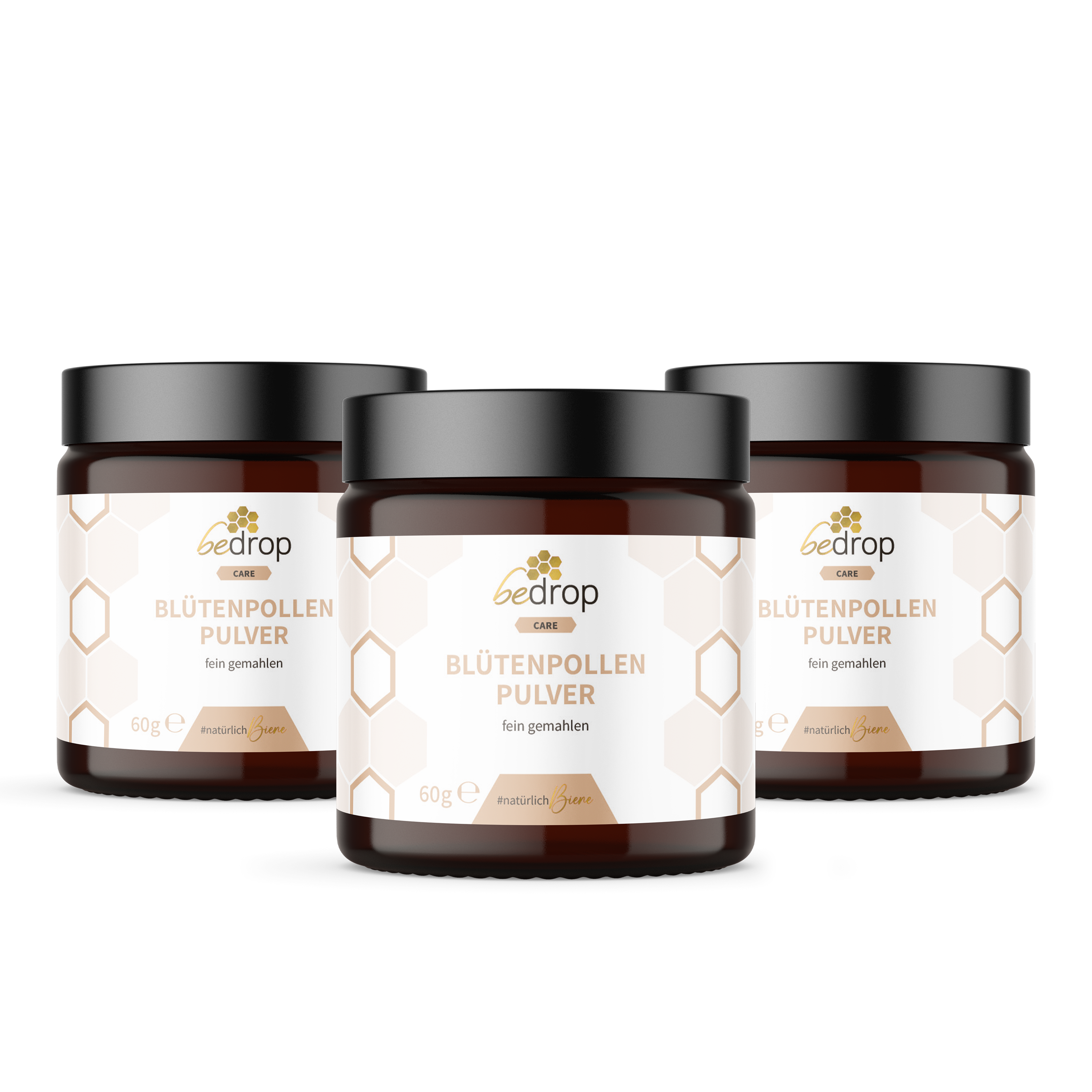
Flower pollen: Pure bee power straight from nature
Are you looking for a superfood to supplement your daily well-being that comes directly and unadulterated from nature? Then bee pollen from bedrop is just the thing for you.
We bring the nutrient-richbee superfood directly to your home as ground pollen powder from idyllic regions. From the regional and national beekeepers with whom we work. And where the welfare of the animals and the preservation of biodiversity are paramount.
Fresh pollen and how it gets into the jar
Flower pollen are small, colorful grains that bees unintentionally collect in special baskets on their hind legs during pollination. They are an important source of protein for the bees and thus the foundation for rearing brood and the vitality of the entire hive.
When the bees fly from flower to flower, they collect the fine pollen grains ¹ and each of these small grains contains the concentrated energy of the plant that our bees have visited.
The colorful variety of fresh pollen
Have you ever wondered why the pollen grains look so wonderfully colorful? The colors (from bright yellow to deep orange to dark purple) tell us which plants the bees have collected from. For example:
- White: Found, for example, on raspberries or white clover.
- Golden yellow: Classically found on dandelions, rape or sunflowers.
- Red or orange: Often found in horse chestnut or corn poppy.
- Blue or purple: Typical for phacelia (bee friend) or viper's bugloss.
- Greenish: Often comes from the willow or lime tree.
- Dark brown or black: Characteristic of the poppy or field bean.
The color serves the bees (and beekeepers) as orientation as to which flowers are currently active.
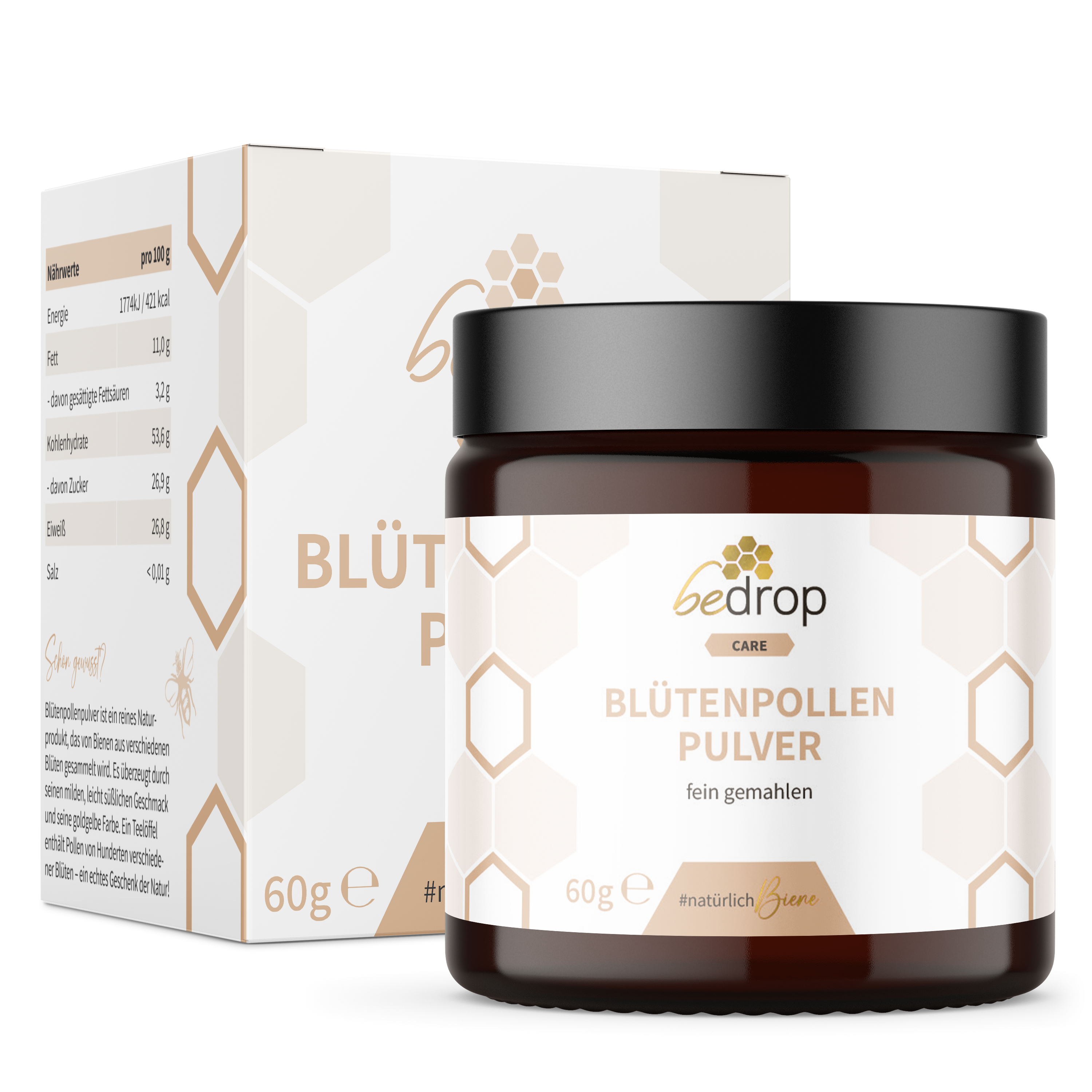
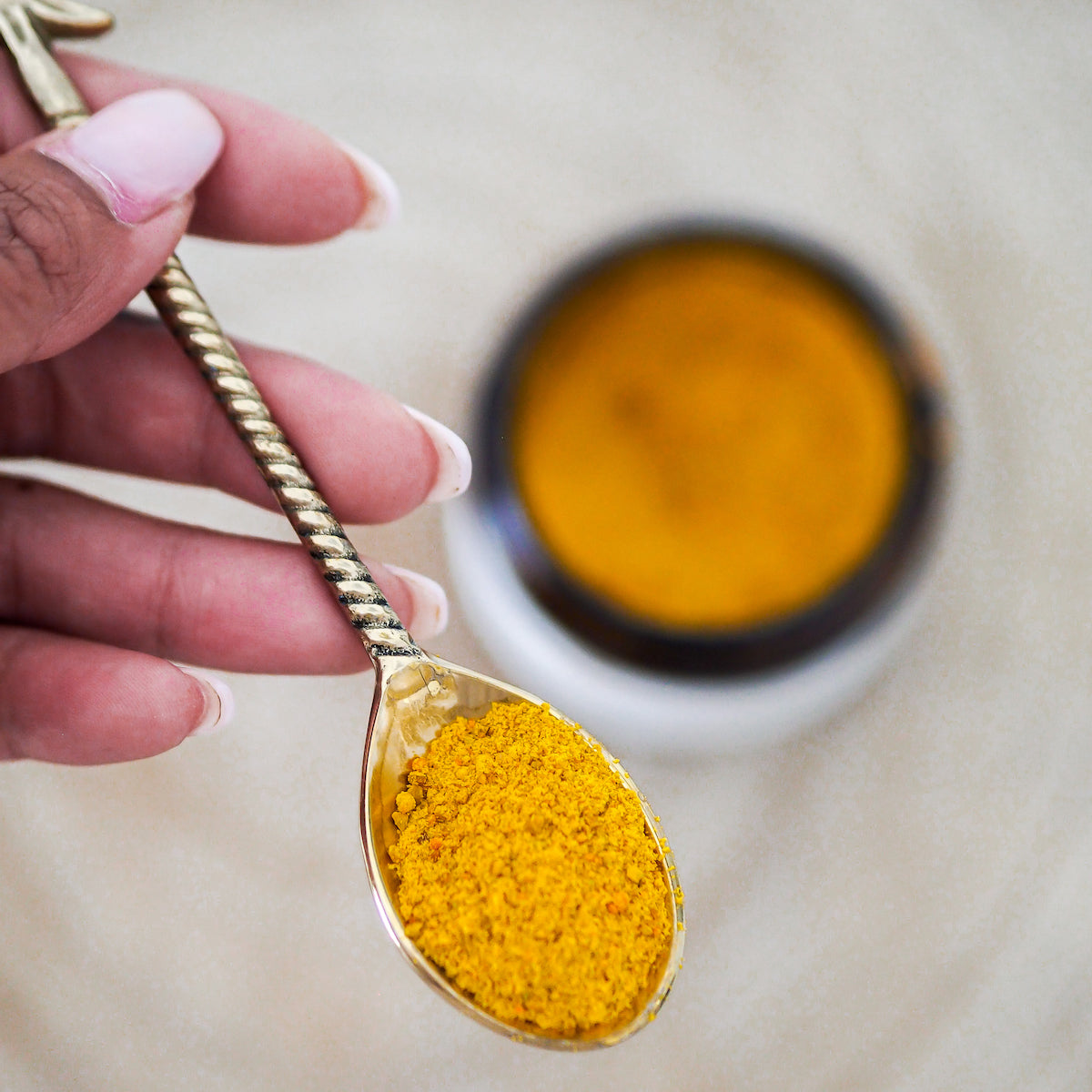
At bedrop, it is important to us that you receive fresh flower pollen in its natural variety. Our ground flower pollen have
- a slightly sweet taste
- with a nutty note.
Important note: Diabetics and allergy sufferers should always seek medical advice before taking this product. If you are allergic to flower pollen or hypersensitive to bee products, we do not recommend taking it.
The bedrop philosophy: purity meets responsibility
Our pollen is:
- Packaged plastic-free: Our love of nature does not end with the contents. We pack in glass jars to keep our ecological footprint as small as possible.
- Transparent and 100% beekeeper quality: We focus on short distances and close cooperation with our beekeepers. We know the bees that work for us "personally", so to speak.
- Purely natural ingredients: without chemicals
- Made in Germany
This is how we ensure that you receive a product that brings the power of nature into your home.
Tips & use of pollen in your everyday life
Flower pollen has a unique, sweet-tart taste with a slightly floral note. They are rich in potassium, proteins and vitamins.
You can use flower pollen as a topping for drinks and food, e.g.
- For breakfast: Sprinkle a spoonful of flower pollen powder over your muesli, yogurt, smoothie or bowl. This gives your breakfast a pleasantly crunchy texture.
- Honey with pollen: A particularly popular combination is honey with pollen. The honey serves as an ideal carrier and makes the pollen particularly tasty.
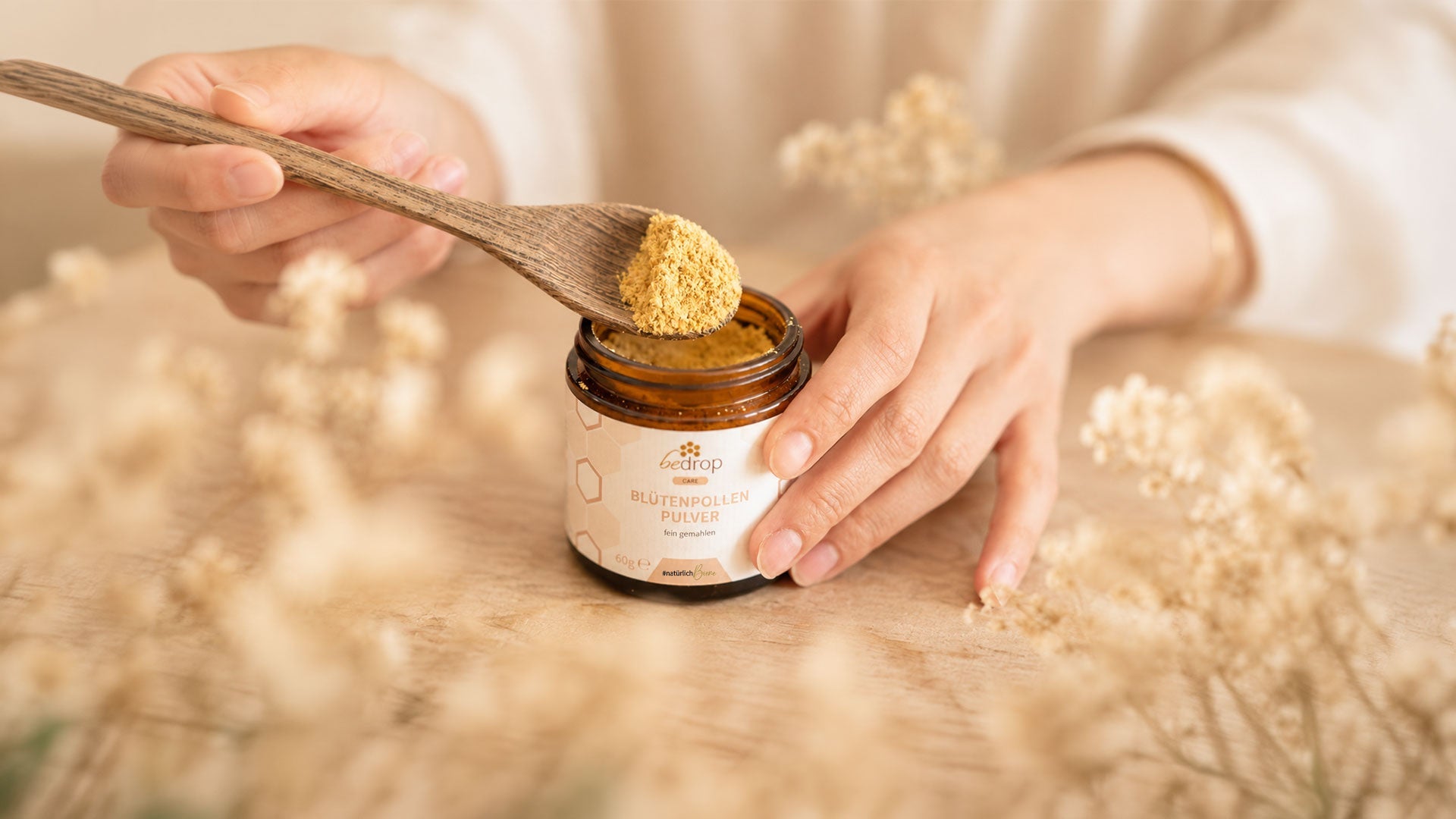
- Pure: If you love the unadulterated taste of nature, you can also simply enjoy it pure.
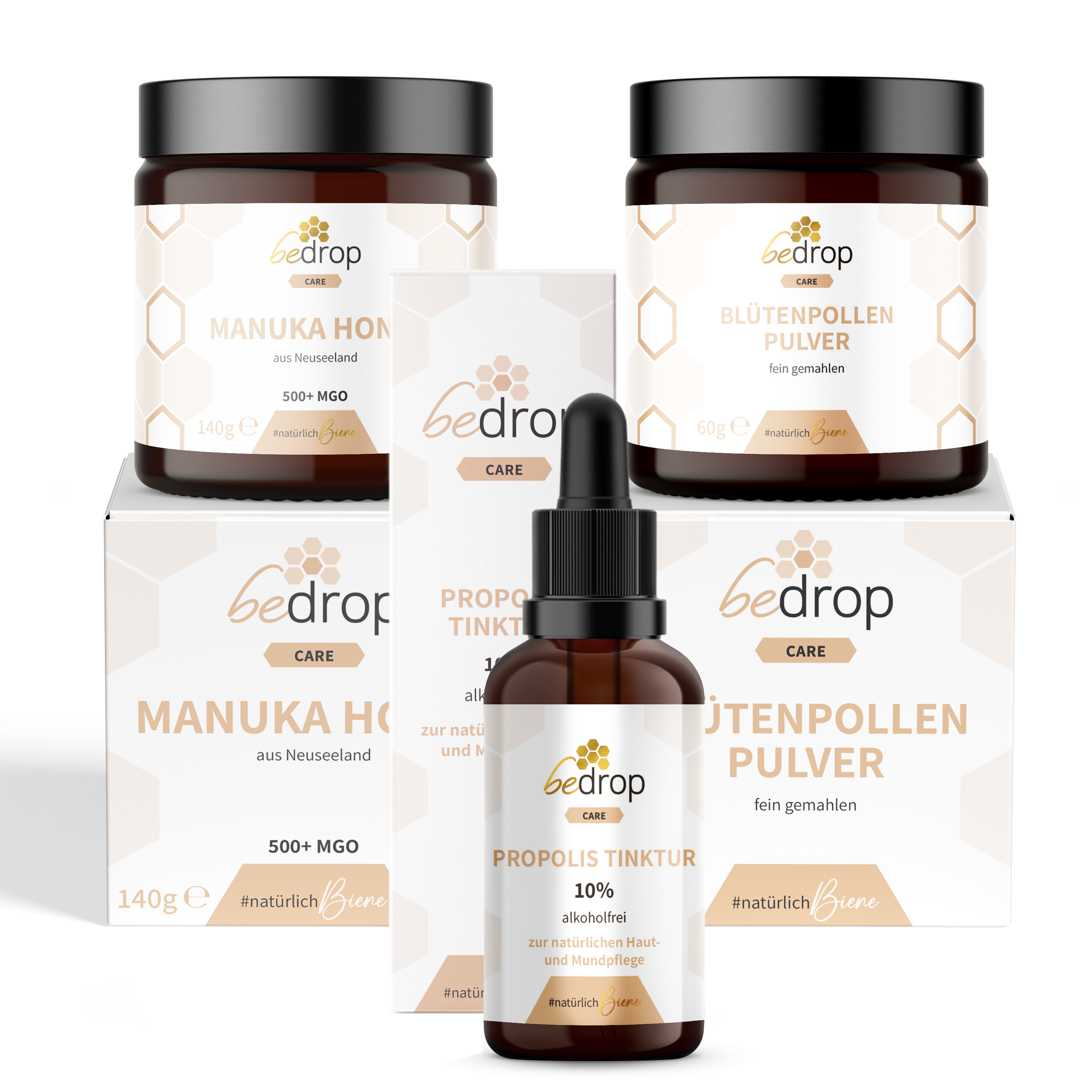
A special trio: flower pollen, propolis and manuka honey in a set.
Our founder Betül remembers very well: even as a child, bee products were her daily companions for her general well-being.
This set is therefore called Bee's childhood set and brings the tried and tested combination from Betül's childhood days directly to you and your family. It consists of the tried and tested products:
- Flower pollen powder: The "gold of the bees" in finely ground form, ideal for mixing into smoothies or your morning bowl.
- Propolis Tincture 10% (alcohol-free) : The gentle water-based companion for external well-being, which is also ideal for children and sensitive family members and can be used to protect and care in equal measure.
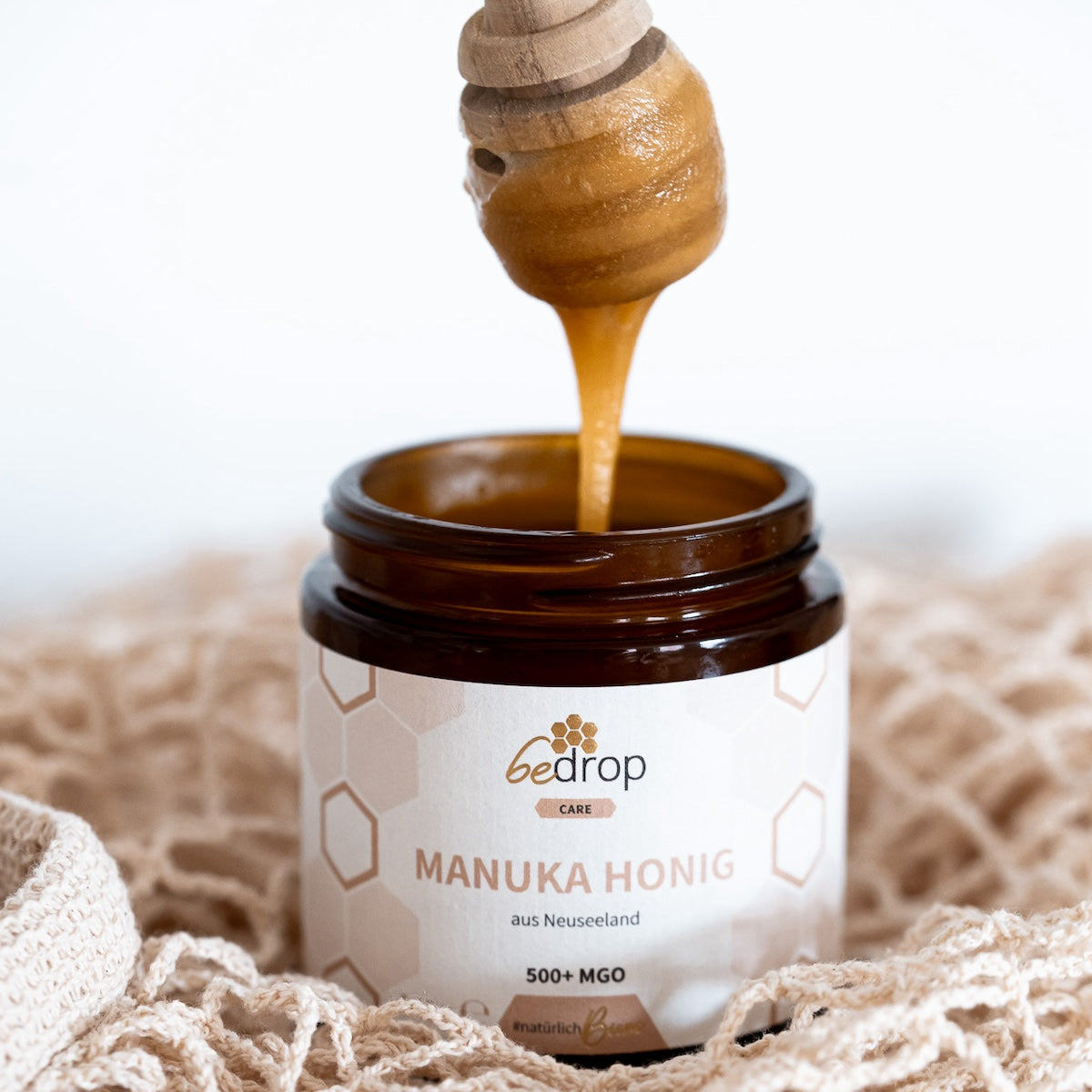
- Manuka honey MGO500+: The New Zealand gold with a high MGO content for your daily well-being. Manuka honey can not only be used internally, but also externally for care and support.
With the childhood set, we want to interpret these valuable bee products in a modern way and bring them into your home so that you can benefit from the power of the beehive in your everyday life, even as an adult of course.
Flower pollen as a daily natural boost
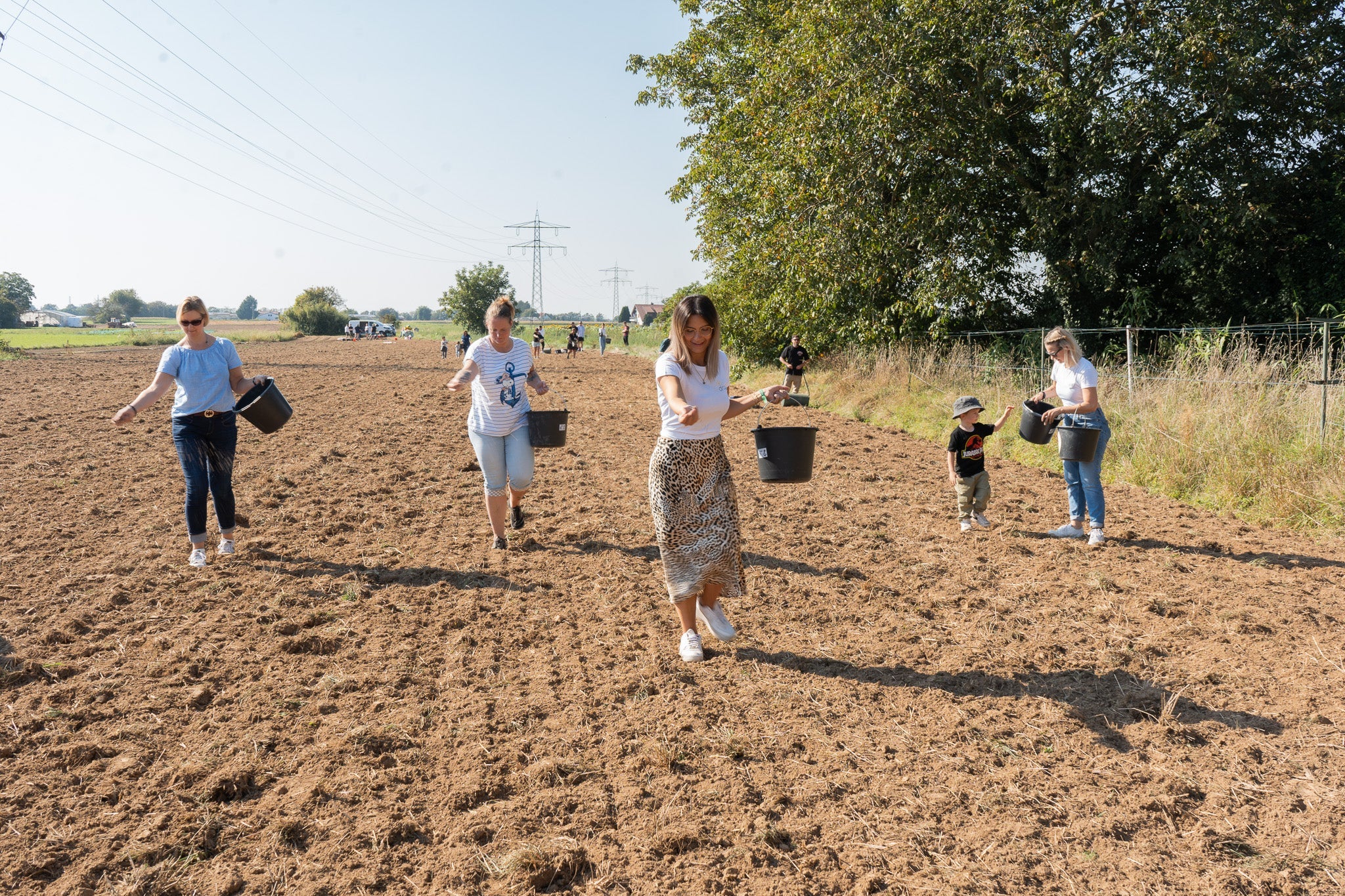
Bee pollen is a gift from nature that reminds us how important it is to preserve our environment and bees in particular. With every purchase at bedrop, you not only support your own well-being, but also specific projects such as our 5,000 m² flowering meadow.
Try it out and be inspired by the power of bees. Whether as a splash of color in your bowl or as part of your daily routine: our flower pollen is pure nature.
We are happy to answer any questions you may have.
Frequently asked questions and further information
It's best to keep it cool, dry and protected from light so that the ingredients are preserved for a long time.
No, as it is collected by bees, it is a natural vegetarian product.
Bee pollen is a real natural superfood and serves as a fundamental source of protein for the entire hive. For us, they are a wonderful, nature-based addition to a balanced diet. They bring a valuable variety of nutrients directly into your kitchen.
We recommend starting with a small amount to get used to the bee power: about one teaspoon per day is an ideal guideline for your daily well-being. You can easily increase the amount at your own discretion while listening to your body.
The ideal time for your "bee pollen kick" is in the morning to start the day with the full energy of nature. You can integrate it perfectly into your breakfast. This way, the valuable ingredients of bees will accompany you throughout your day.
Sources and further information:
¹ https://www.uni-wuerzburg.de/aktuelles/einblick/single/news/ernaehrung-honigbienen/