






When your skin, back, and muscles feel tight
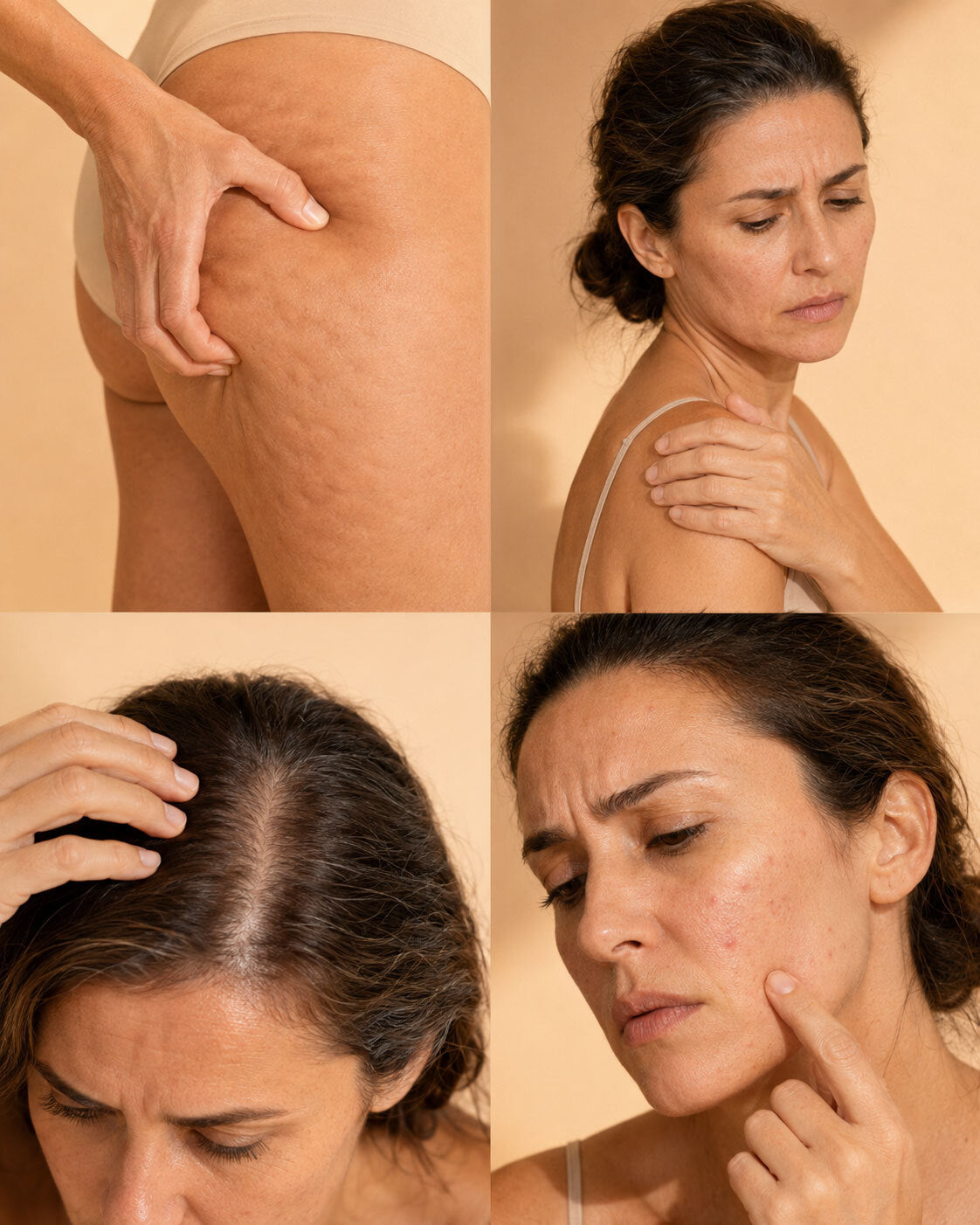
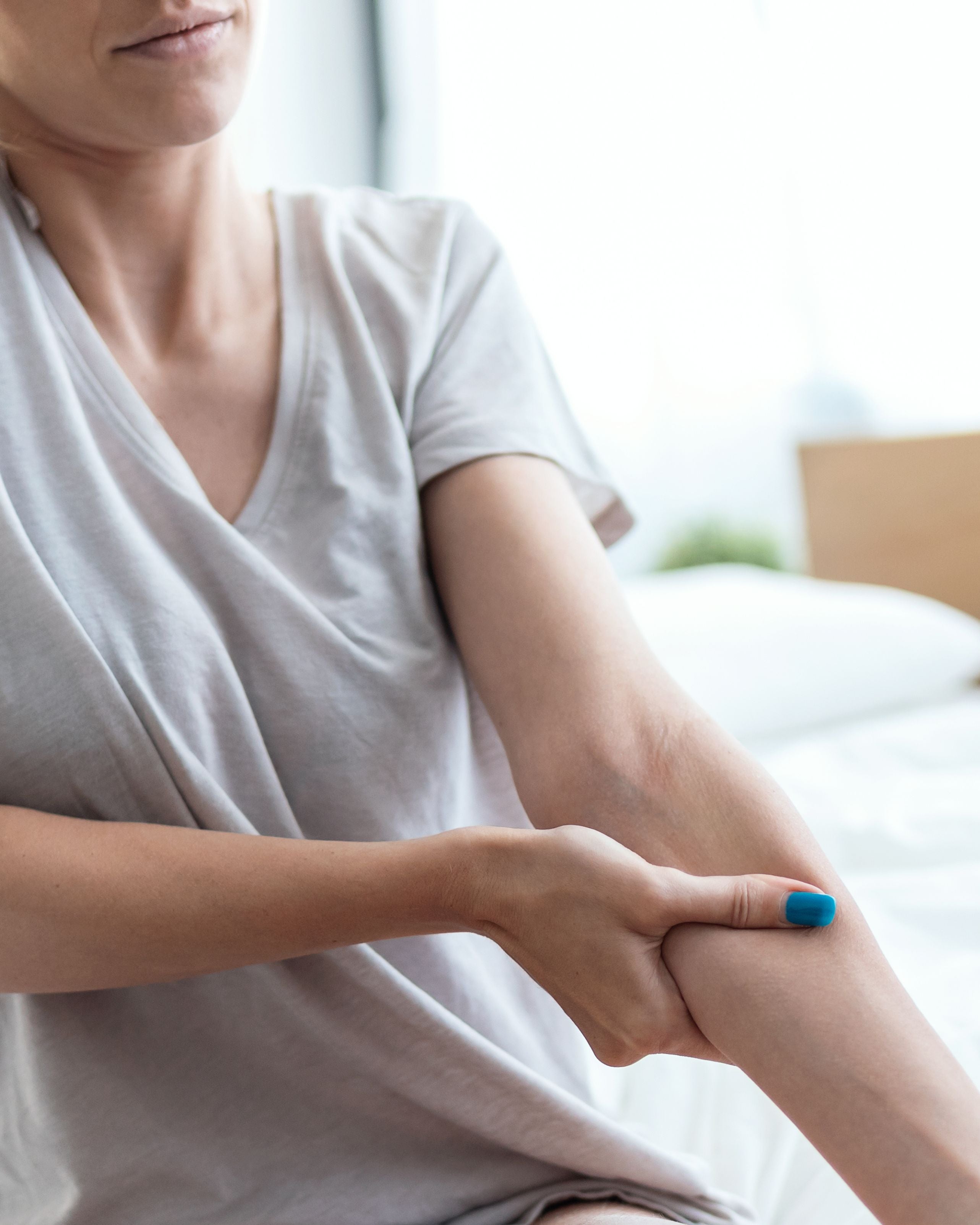
Many people are familiar with the feeling of their skin—especially on their back, muscles, or joints—feeling uncomfortably tight or sensitive. This sensation can occur in various situations and is often perceived as distressing.
After physical exertion or when experiencing muscle soreness, not only the muscles but also the overlying skin may feel more sensitive. Movement, pressure, or touch are then often perceived more intensely than usual.
Many people also report that during stressful periods, their body feels more tense overall—which can include a sensation of tightness in the skin. Such sensations can affect daily life and make even familiar activities less enjoyable.
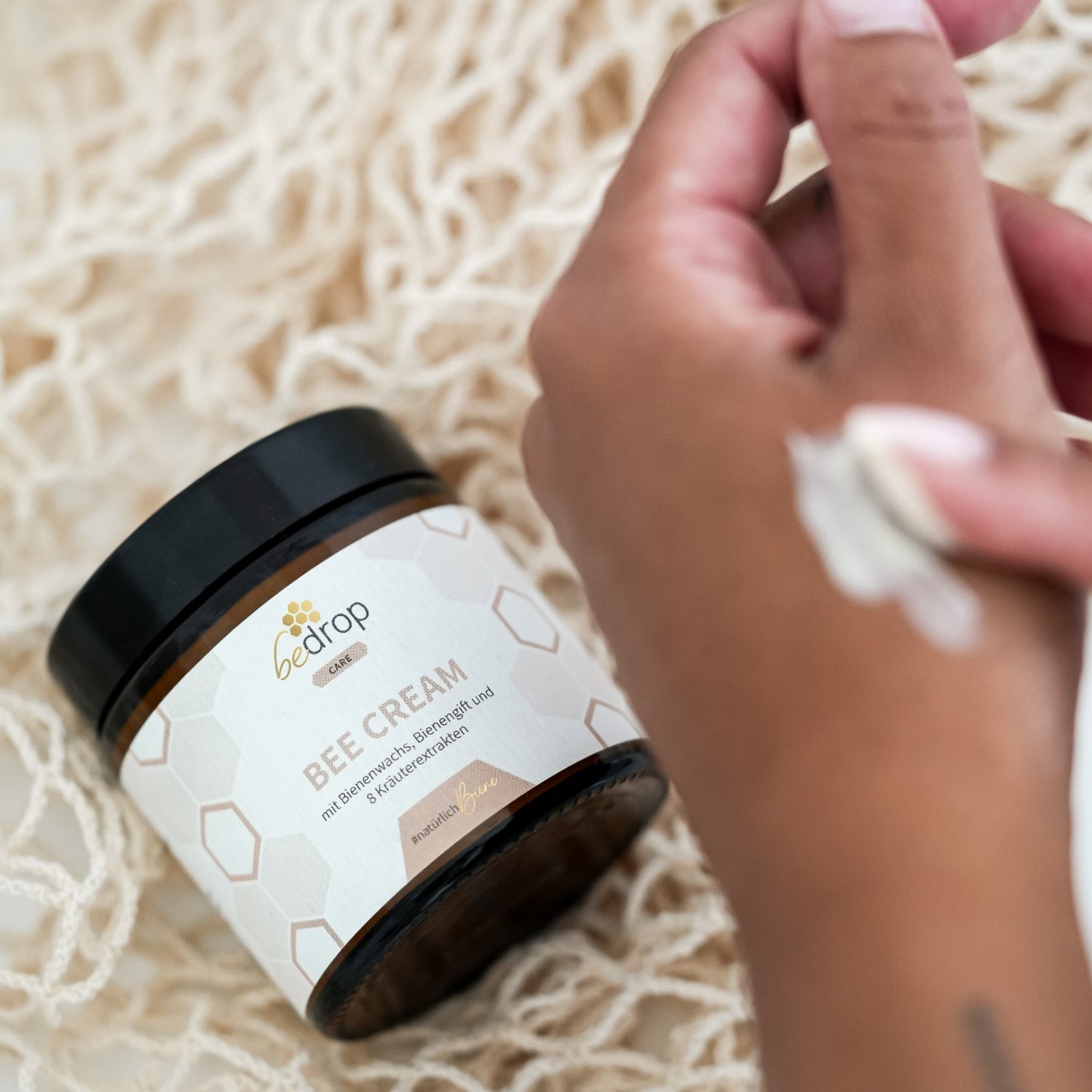
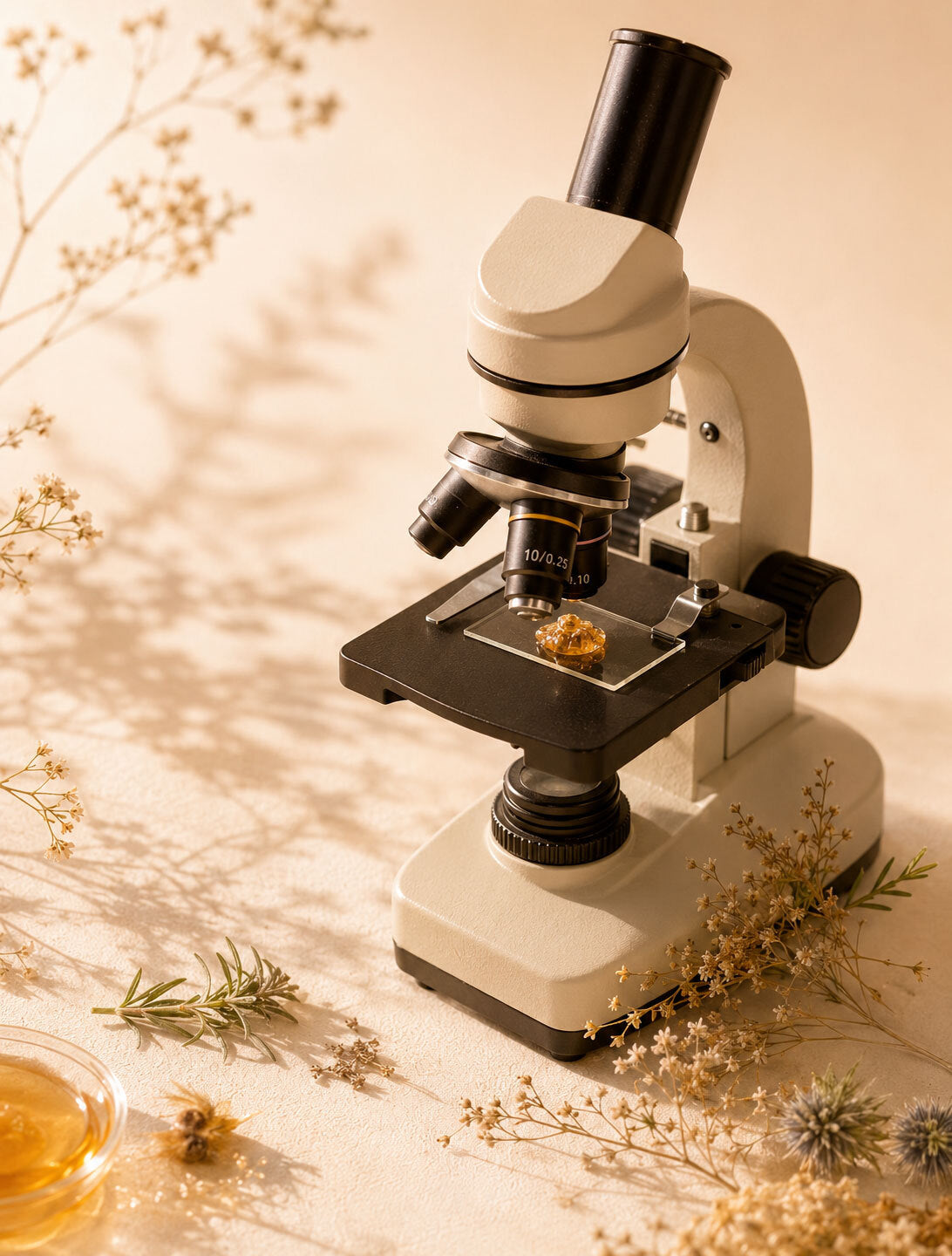
Bee Venom for Caring for Tense Skin
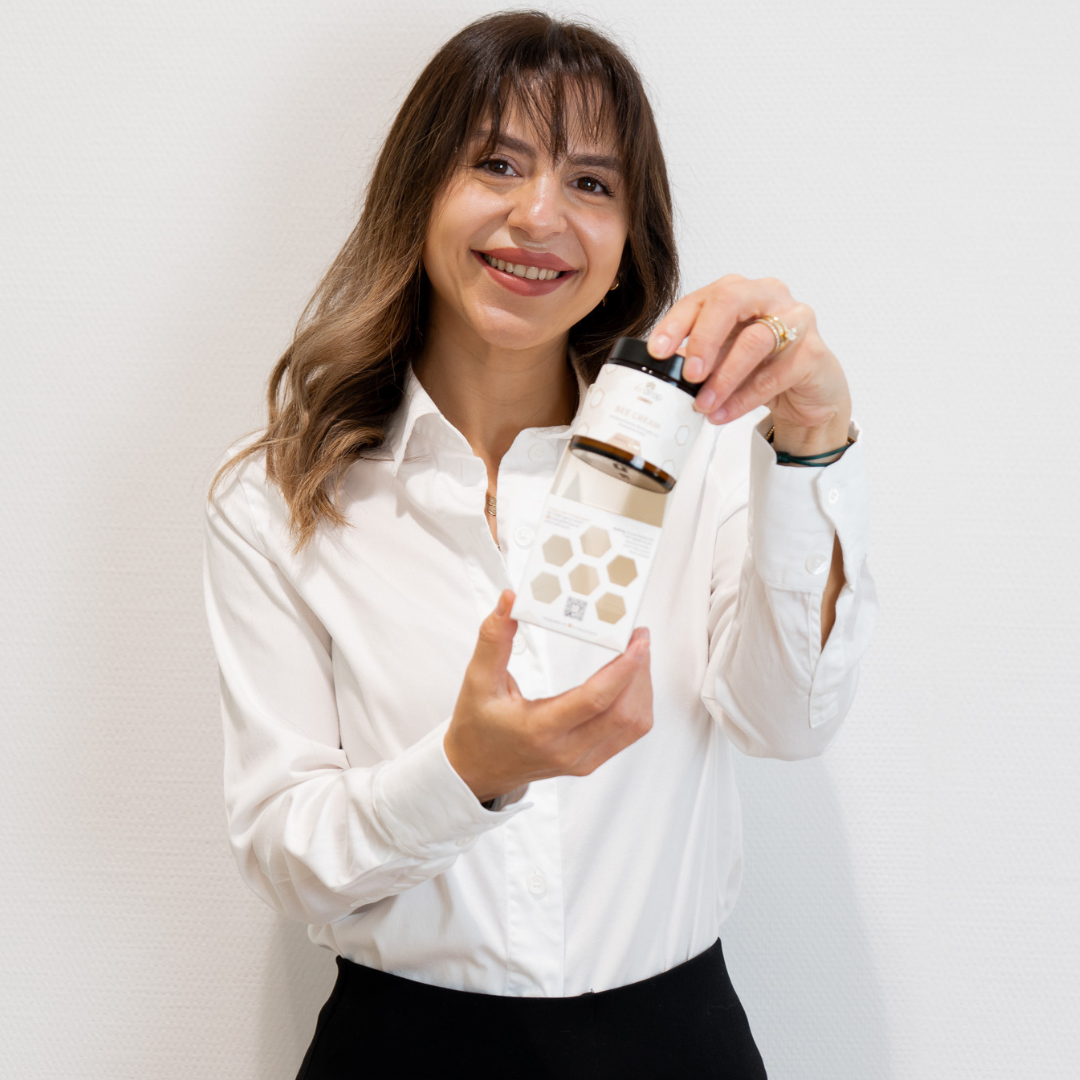
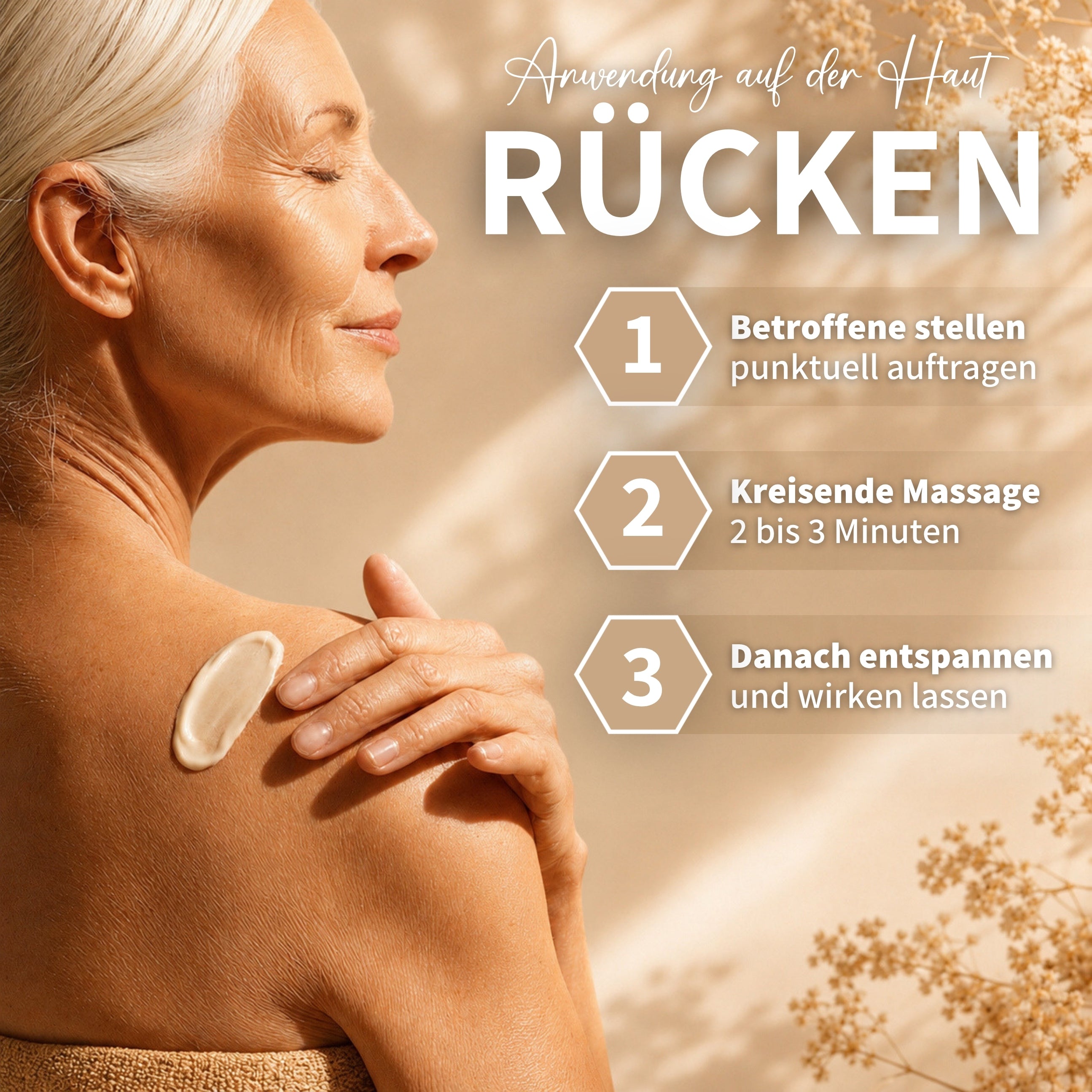
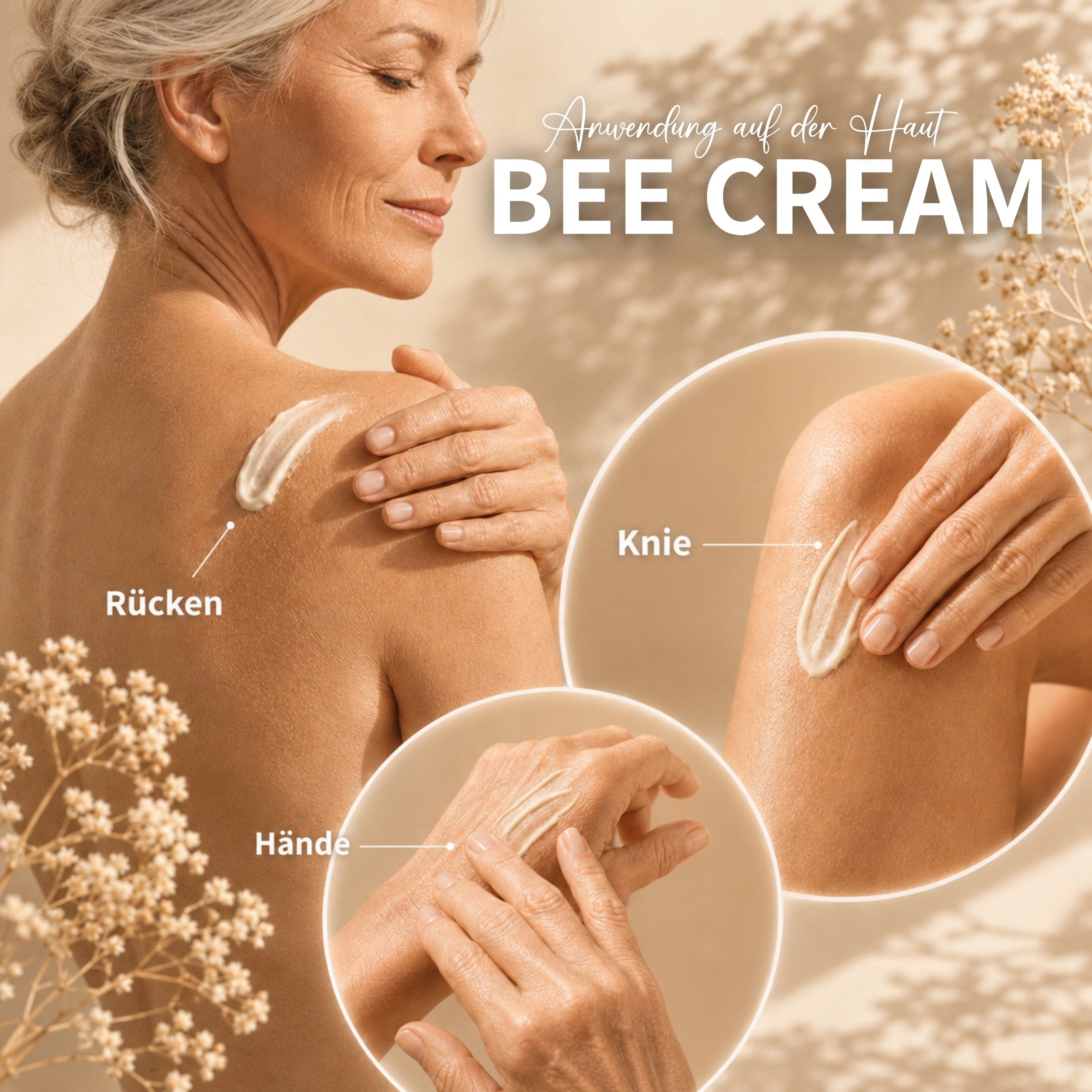
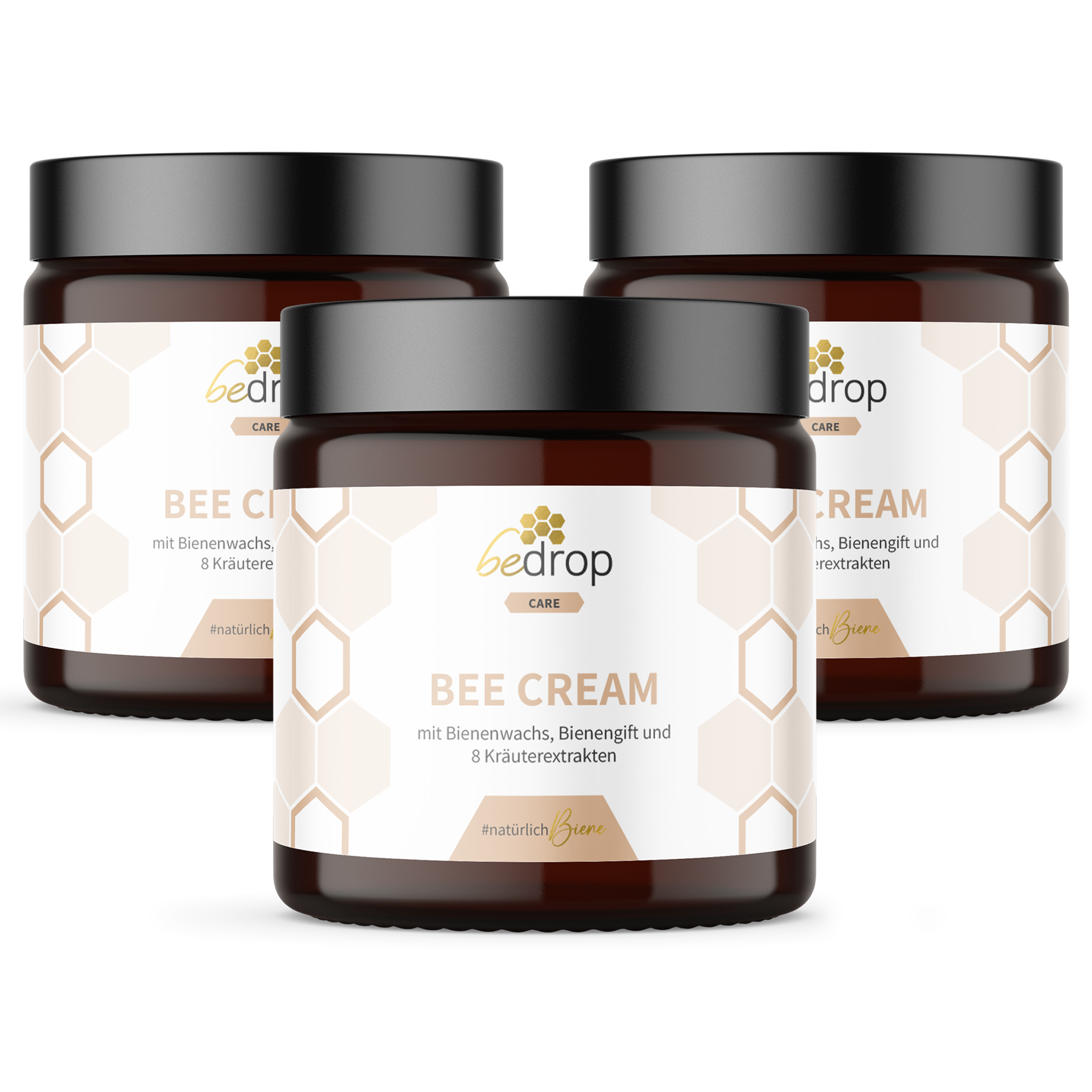
Apply the Bedrop Bee Venom Ointment to clean skin. You can apply the ointment directly to the affected areas. The Bee Cream spreads easily on the skin and can be massaged in comfortably. Especially on tense skin around the joints, on the back, and over the muscles, it’s important to gently work the ointment into the skin with light pressure to achieve a relaxing effect.
Upon application, the Bee Cream first provides a cooling sensation, followed by a gentle, warming sensation. For very tense skin, we recommend repeating the application several times a day to achieve optimal results.
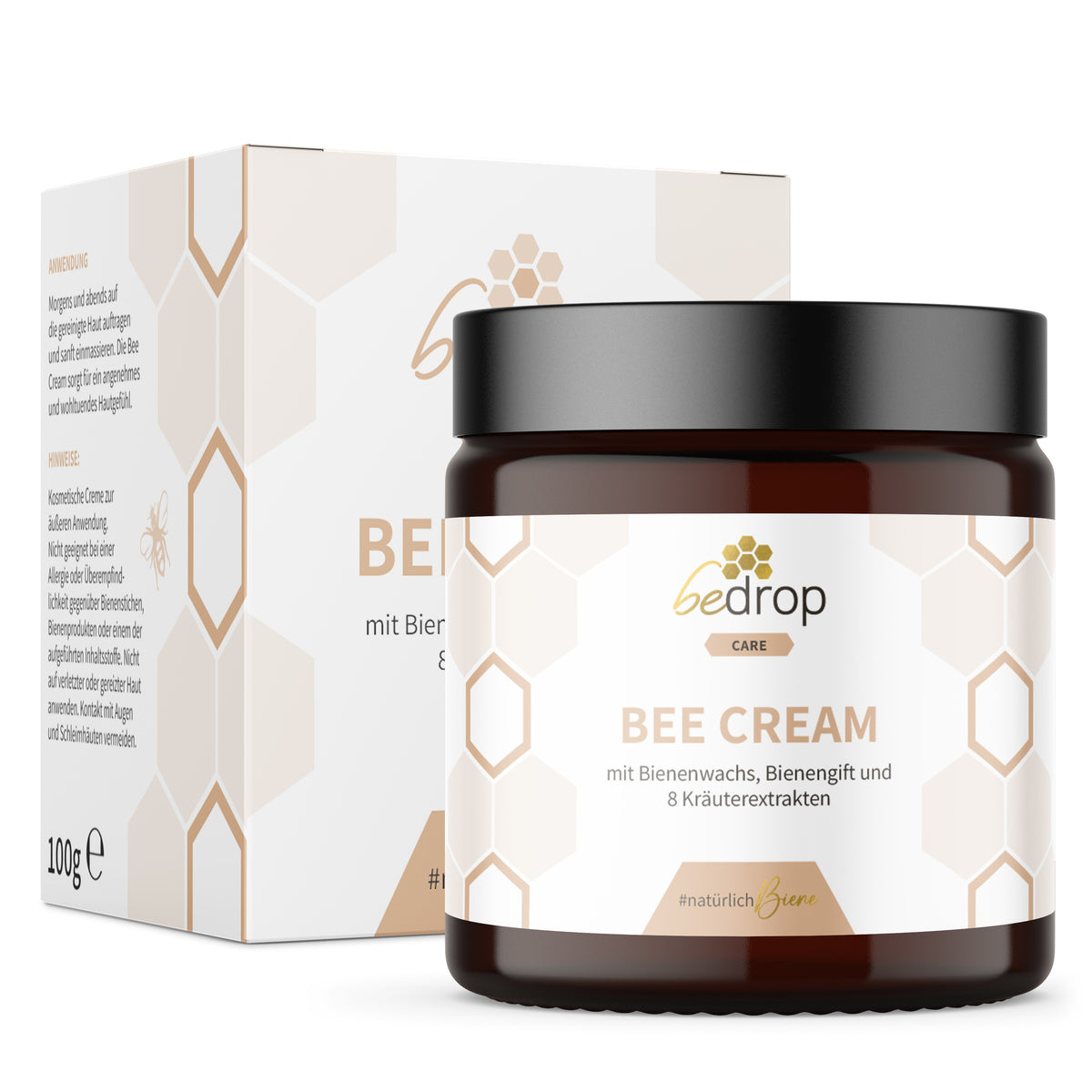
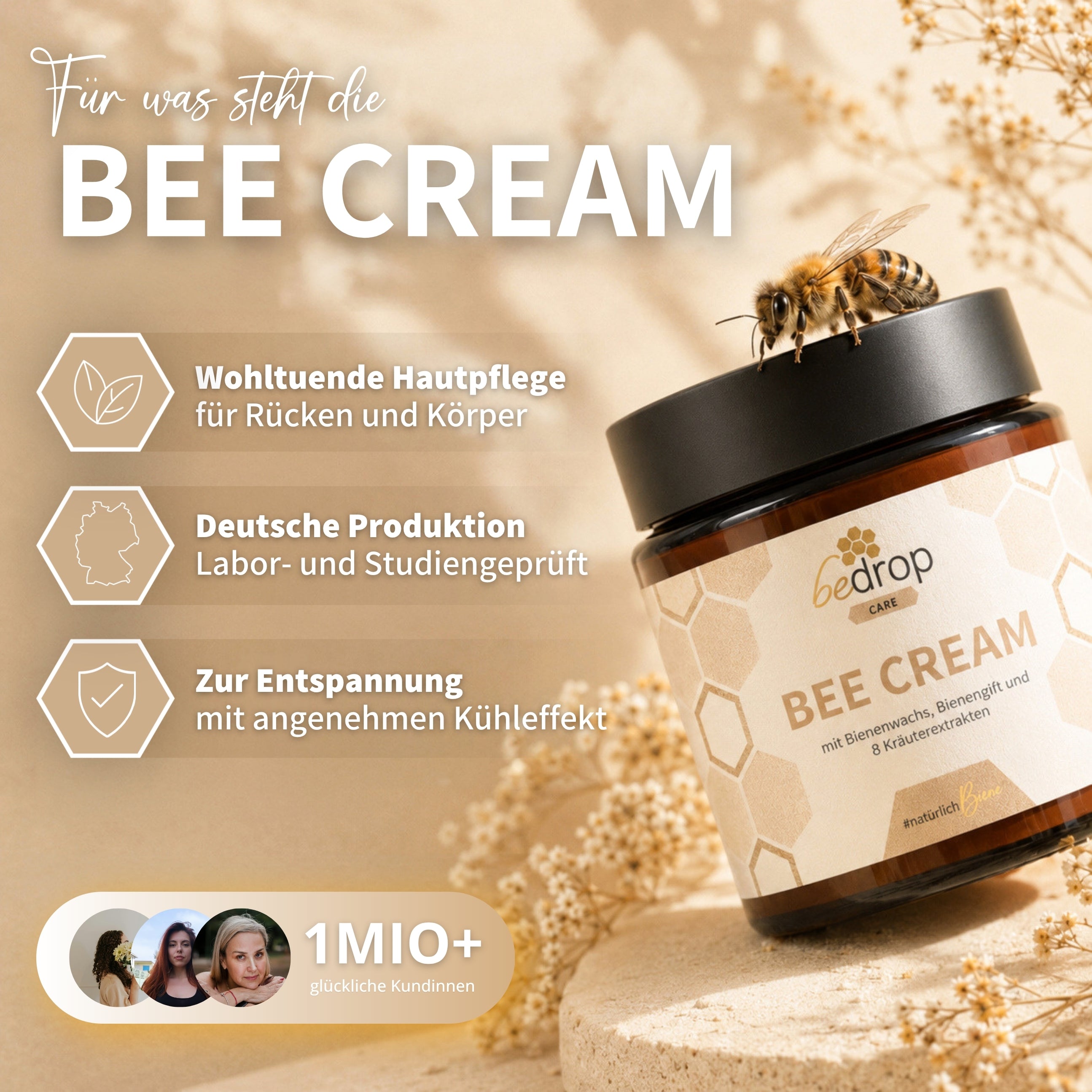

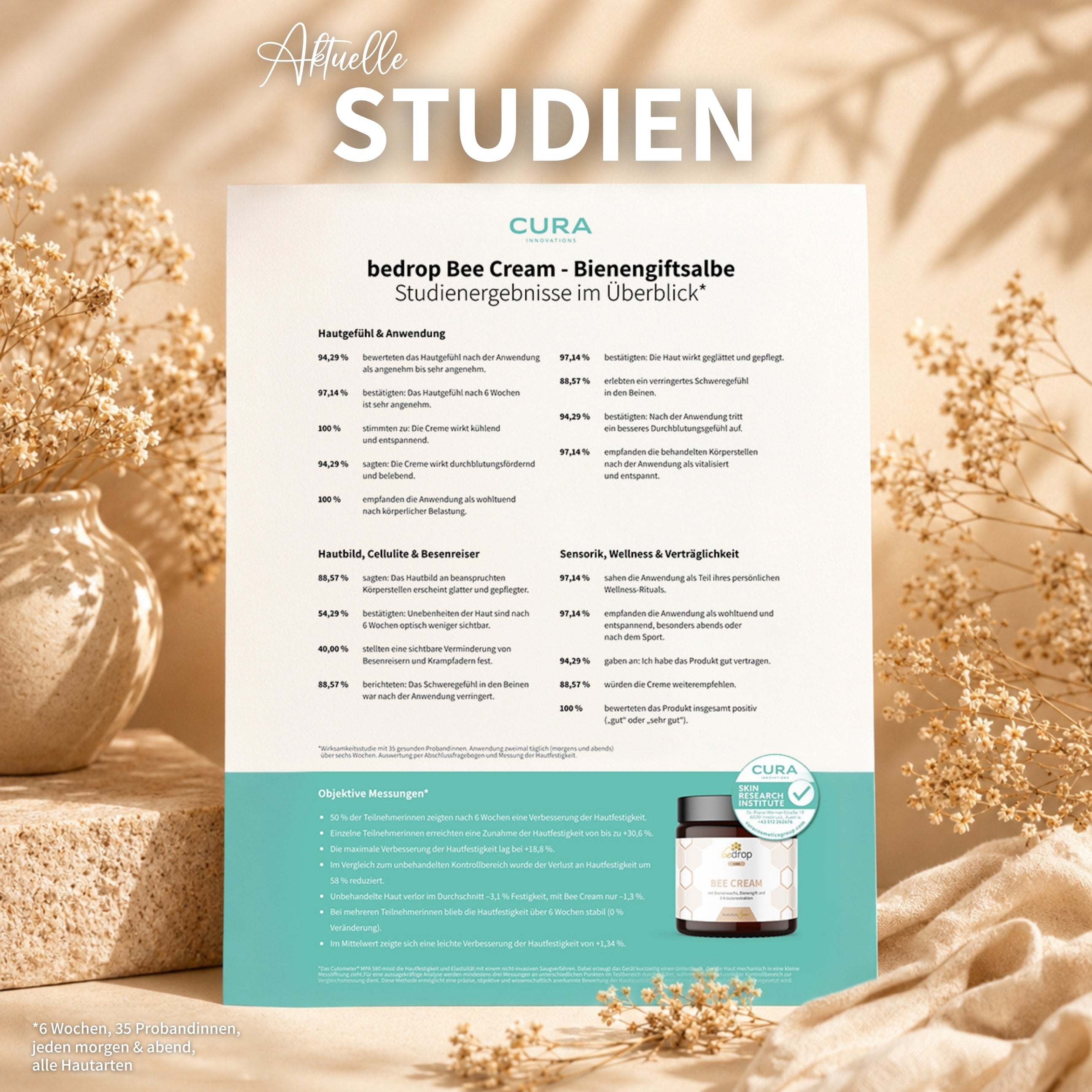
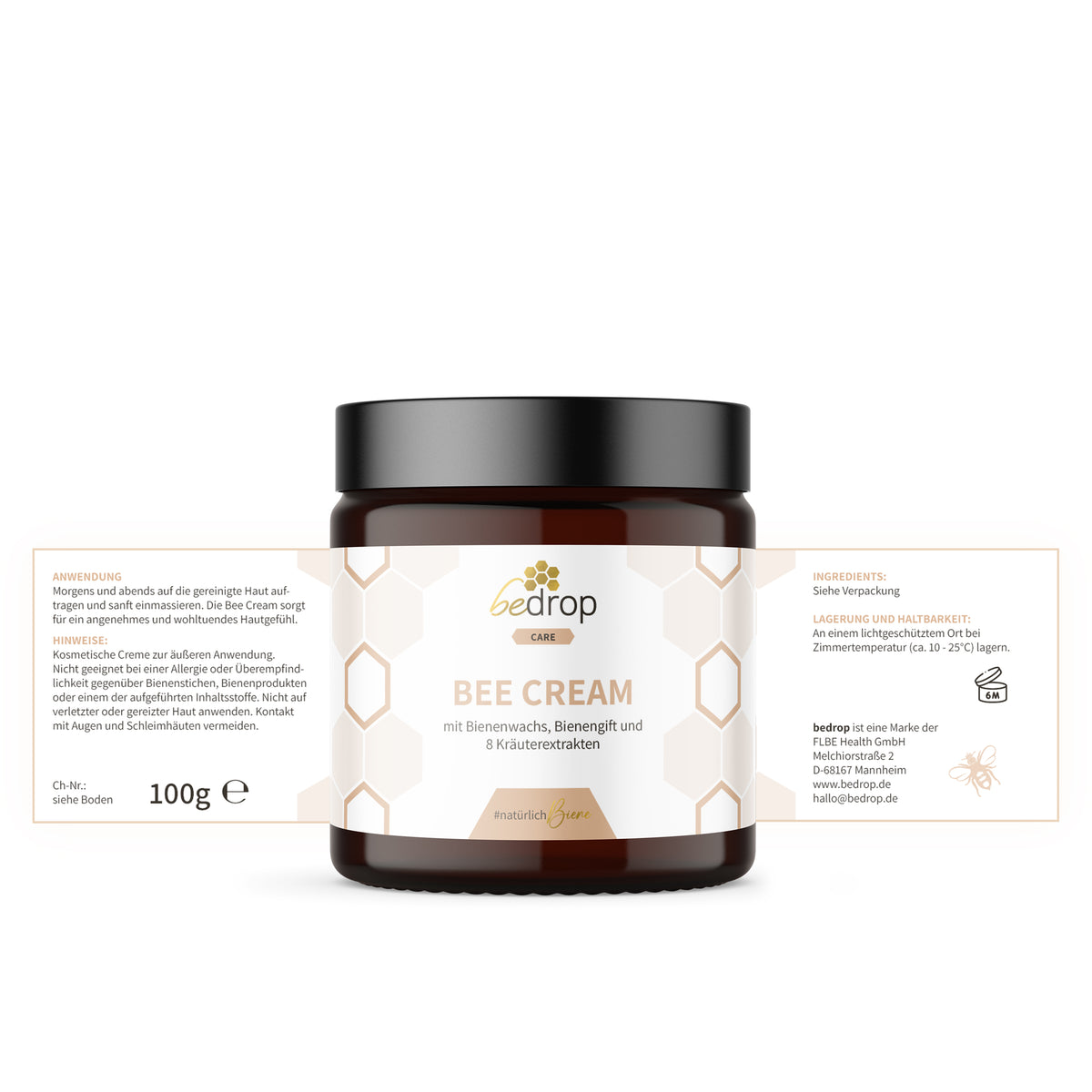
Eucalyptus, menthol and aloe vera
 High-dose bee venom
- natural herbal extracts (e.g. menthol & eucalyptus)
- for joints, back, muscles and face
- Pleasant fragrance
 High-dose bee venom


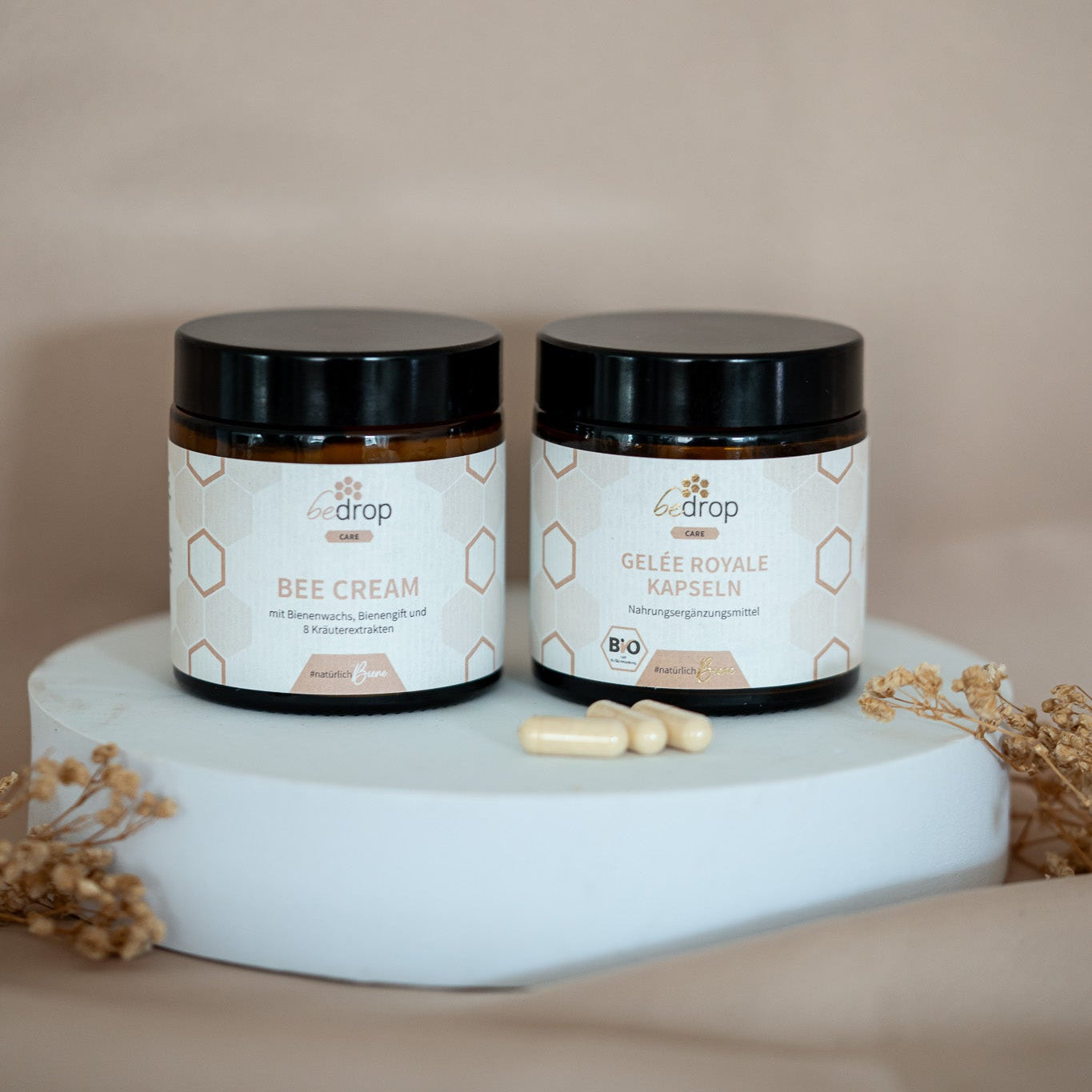
Natural skincare
Usage recommendation:
Bee Venom Ointment:
Apply daily to cleansed skin, just like a natural day cream.
Joints, Back & Muscles
FAQ
Frequently asked questions

Back, Muscles, Joints and Bee Venom
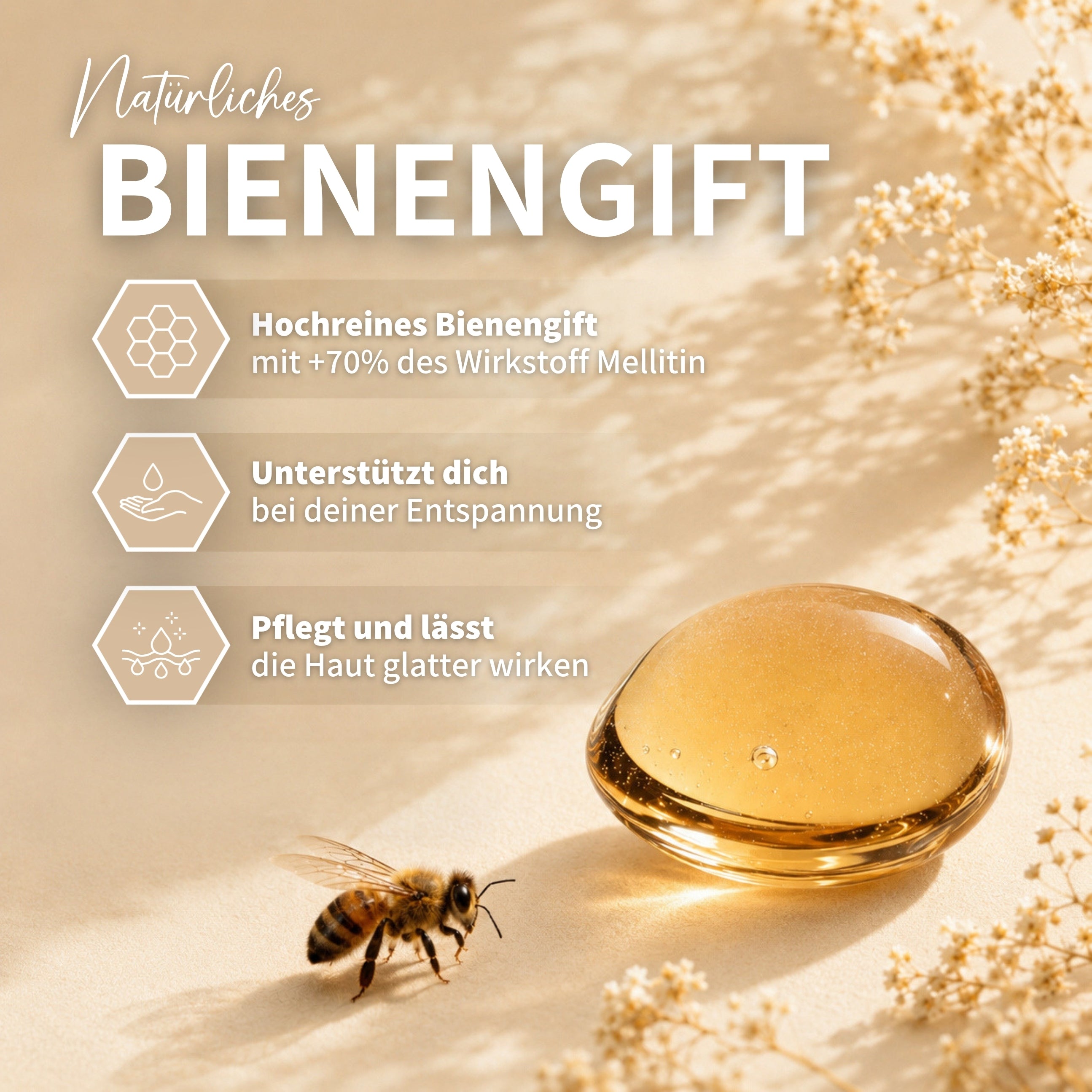
Modern working life and ageing place special demands on our musculoskeletal system—especially if we spend a lot of time working from home. Many people seek natural alternatives to conventional methods. One fascinating natural substance is apitoxin, also known as bee venom. It contains the notable active ingredient melittin, which comprises a complex mix of 26 different amino acids. This variety of amino acids and proteins makes apitoxin a distinctive substance in naturopathy.
Have any questions?
With our WhatsApp and Telegram support you can contact us at any time. From experience we usually reply within about 5 minutes and can answer any question about the back, muscles and joints involving bee venom.
You are also welcome to email us at hallo@bedrop.de!
We look forward to helping you!
When Your Back, Muscles, and Joints Feel Strained in Everyday Life
Do you have days when even getting out of bed feels like a struggle? Days when your whole body feels tired, heavy, or tense—even though nothing “specific” has actually happened? Many people experience days like this in their daily lives.
Especially after long periods of sitting, physical exertion, or repetitive movements, your back, muscles, and joints can feel severely strained. Often, the skin in these areas also feels tight, sensitive, or uncomfortable.
Everyday Strain—and How It Can Affect How Your Skin Feels
After a long day at work, physical activity, or unfamiliar movements, many people report that not only do their muscles feel tired, but the skin covering them also reacts more sensitively. Touch, pressure, or clothing are then perceived more intensely than usual.
This sensation can also occur with muscle soreness: The skin feels tight in places, reacts more sensitively, and is perceived more keenly—especially on the back, shoulders, or around the joints.
Stress & Tension—When the Sensation of Your Skin Changes
During stressful periods, tension often manifests not only mentally but also physically. Many people then experience a general feeling of tension that can extend to the back, neck, or joint areas. The skin, too, can feel drier, more sensitive, or “tight” at such times.
Such sensations can affect daily life and lead to a greater awareness of movement, relaxation, or periods of rest.
A Practical Self-Care Checklist for Everyday Life
When your body feels tense or strained during the day, many people find it helpful to pay closer attention to themselves:
- Sharpen your body awareness:
In what situations does your skin feel particularly tight or sensitive?
- Establish skincare routines:
Regular self-care can help you pay attention to your own body.
- Incorporate movement into your daily routine:
Gentle, regular exercise is seen by many as a way to find balance—without the pressure to perform.
Self-care in daily life: Mindful routines instead of overwhelming yourself
Everyone experiences physical tension differently. Some feel it after sitting for a long time, others after unfamiliar movement or during stressful periods. It’s important to find routines that feel good and are easy to integrate into your daily life.
For many, these include:
- gentle exercise
- mindful moments of relaxation
- small self-care rituals as regular breaks
Targeted Care—Focus on How Your Skin Feels
When the skin on the back, muscles, or joints feels tight or sensitive, many people turn to nourishing creams or ointments. Applying cream is often perceived as a soothing ritual.
Skincare products with carefully selected ingredients can:
- give the skin a nourished feeling
- help make the act of massaging in the product a mindful moment
- be perceived by many as cooling or warming
The natural herbal extracts from eight valuable herbs can provide additional support. When applying Bee Cream, you’ll first feel a cooling sensation, followed by a gentle warming sensation. For very tight skin, it’s recommended to repeat the application several times a day.
FAQ
Why does the skin feel more sensitive when it’s tense?
Many people notice changes in how their skin feels during stressful or physically demanding periods—such as feelings of tightness or increased sensitivity.
When do people particularly enjoy incorporating skincare rituals?
Often after exercise, long workdays, or as a deliberate break in the evening.