Buy royal jelly shampoo - Only the best for your hair
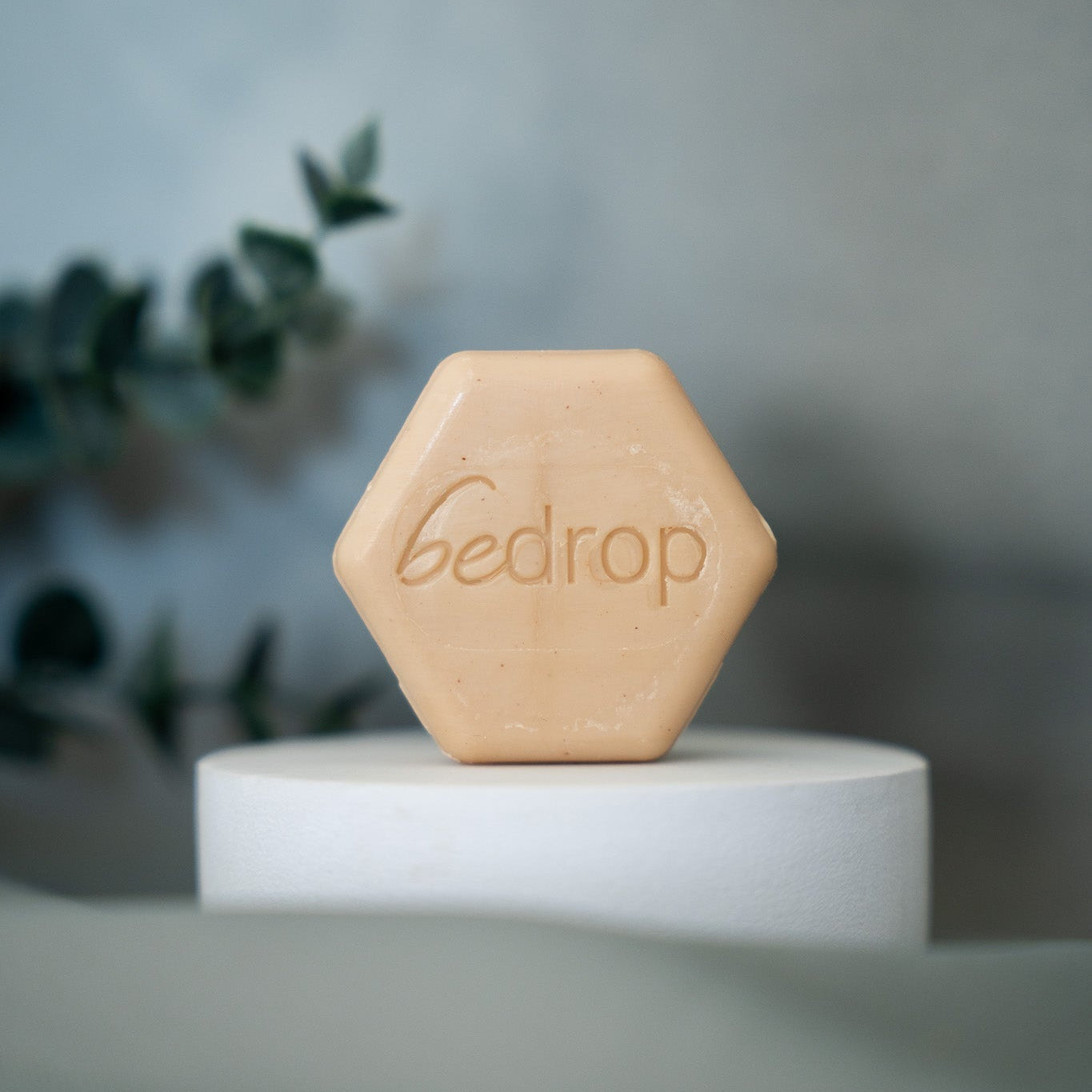
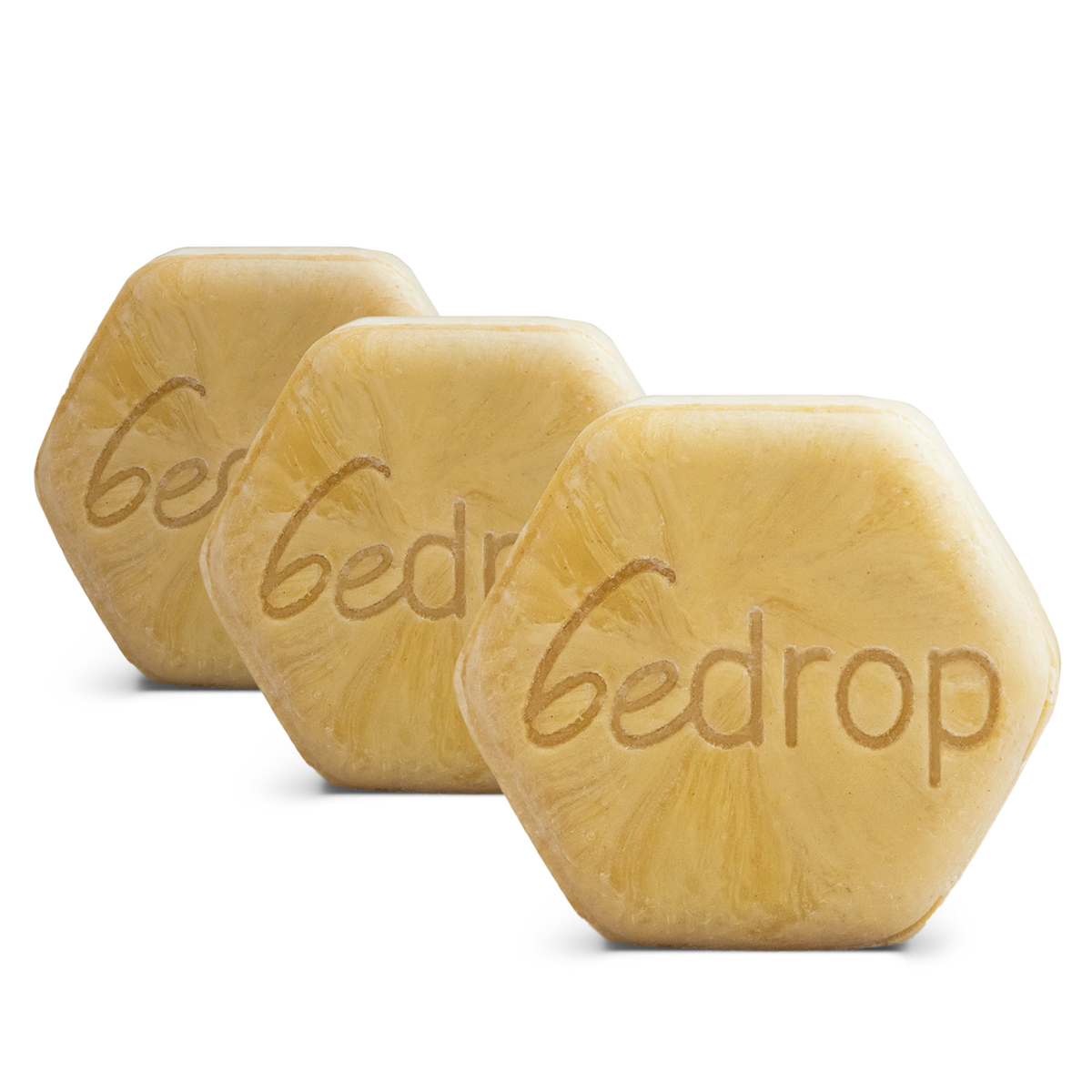
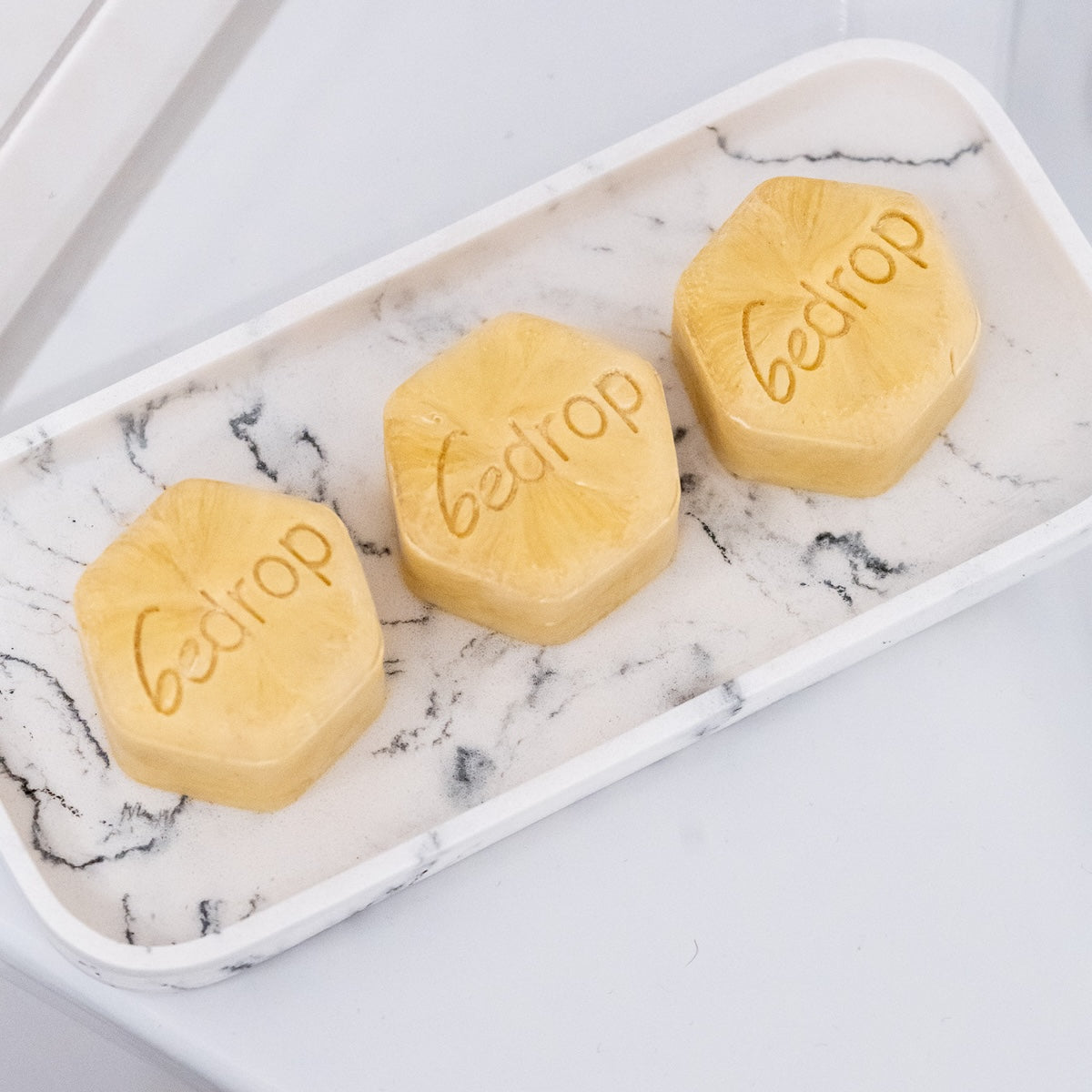
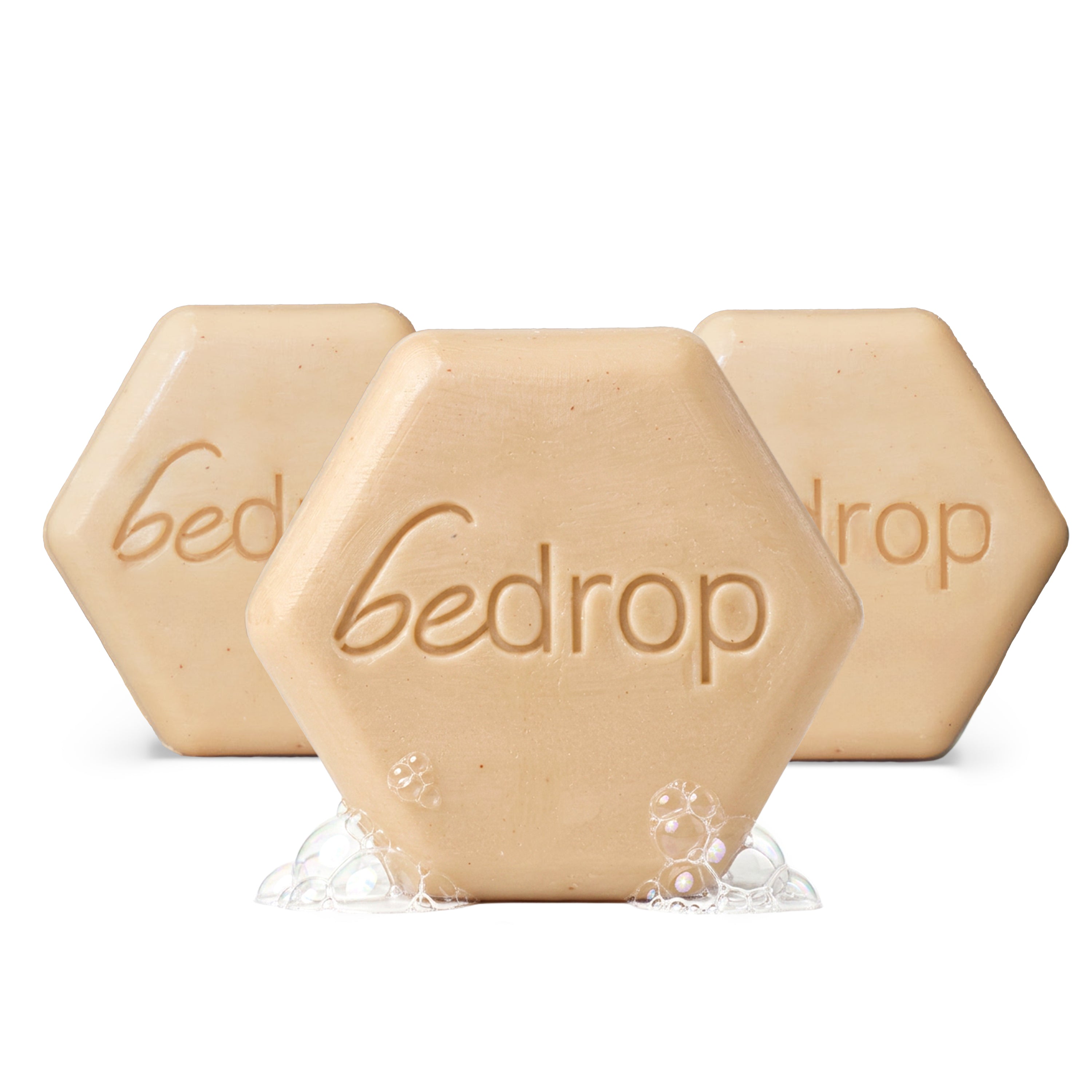
Royal jelly, also known as royal jelly, is the precious secretion that bees produce to feed their queen and larvae. With its sticky consistency and milky white color, it is rich in nutrients that not only help the queen bee achieve amazing fertility and longevity, but can also provide great added value for us in our everyday lives. Royal jelly can help make human hair shiny and supple. You can buy sustainable and bee-friendly royal jelly from us, which has been specially developed for the care of your hair.
What is royal jelly? General information about royal jelly
The name "royal jelly" comes from the English and already indicates that it is the queen's jelly. When fresh, the substance has a rather sticky consistency and a milky white color. Apart from the queen, it is also given to the small bee larvae. It is not without good reason that royal jelly is considered one of the most impressive bee products: It is produced by worker bees in the nurse stage, which lasts from around day 4 to day 12 of the bees' lives. Initially, all bee larvae receive the food sap, but only for three days. Only the queen larva receives it over a longer period of time, which suggests to experts that only exclusive feeding with royal jelly turns an "ordinary" larva into a queen. Royal jelly therefore not only plays a part in the development of the queen's reproductive organs, it also supports the queen bee's fertility. In her first year of life, the queen bee can lay up to 4000 eggs a day - quite a lot! She also has a much longer life expectancy than a worker bee. Science links this high life expectancy to royal jelly.
How is royal jelly made? Information on the production process
In order to make royal jelly usable for you, we pay attention to sustainability during production. This means that you will only receive certified organic products from us, for which we pay attention to happy and healthy bee colonies at regional and national beekeepers. The precious jelly is not easy for beekeepers to obtain - after all, it is used by the bees to feed the most important member of their colony, the queen. Various measures must therefore be taken to keep the bees swarming for longer so that the beekeeper can use larvae for feeding, which he can later remove and from which he can finally extract the royal jelly.
Frequently asked questions and further information
What is propolis and what is it good for?
Propolis is a natural resin produced by bees. It is known for its many nourishing properties and is often used to support well-being.
What are the side effects of propolis tincture?
Propolis tincture can cause allergies in rare cases. Symptoms may include skin irritation, itching, swelling, breathing difficulties and, in the case of severe reactions, anaphylaxis. If in doubt, a doctor should be consulted.
What is propolis tincture good for?
Easy to dose and with a long shelf life, propolis tincture is a great addition to your medicine cabinet. The areas of application are varied: propolis drops can be used as supportive care for skin problems such as acne, inflammation or sunburn, but also as a soothing supplement for irritated gums and many other needs.
How is propolis tincture used?
A propolis tincture can either be dripped onto the desired area of skin and massaged in or added to products such as your toothpaste or skin cream. For example, the drops can be used internally as oral care.
What is a tincture?
The term "tincture" is derived from the Latin word "tinctura" and stands for a liquid extract of a plant or raw materials from animals. The substances are added to an alcoholic solution (usually ethanol) for extraction so that they can infuse with each other. The alcohol dissolves the components of the substances or plants so that the substances and the water- and fat-soluble active ingredients they contain mix and merge. In addition to extraction, the alcohol naturally preserves the finished mixture and conserves it so that it lasts longer. The result is a suspension or tincture. A distinction is made between two forms of tincture: 1. tinctura simplex → simple tincture; a plant or inorganic substance is used for the preparation 2. tinctura composita → compound tincture; different substances (plant, inorganic) are combined for the preparation The tinctures have been particularly popular in medicine and pharmacies, so a wide variety of tinctures are used for a wide variety of needs. The forms of application are different and individual. For external use, they can be applied directly to the skin and rubbed in.
What is a propolis tincture?
Propolis is known as the bee putty resin that the bees use for insulation and repair work when building the hive. The propolis keeps out unwanted visitors and other insects. The seal prevents moisture and bacteria from entering the hive and the returning bees also use the propolis as a kind of disinfectant. By rubbing the propolis at the entrance, the bees are disinfected and the bacteria remain outside the hive. For this reason, propolis is said to have a disinfecting effect. The propolis produced by the bees also contains important nutrients such as calcium and zinc. The best known and therefore most practical form of propolis is tincture (propolis tincture). Many beekeepers who own their own hives are often unaware of the significance of the bee product propolis. In many cases, this bee resin plays too small a role alongside honey. The propolis produced by the bees is collected by the beekeeper so that it can be reused. Bee resin or propolis is a solid and slightly brittle product. To turn it into a propolis tincture, the organic substance must be extracted with ethanol. During extraction, the solid propolis is transformed with the alcohol into a suspension, the propolis tincture. This tincture contains the nutrients and active ingredients of the propolis. Most propolis tinctures are fitted with a pipette cap. The pipette enables dosing with drops. These drops are a great advantage for the propolis tincture, as the drops can be applied more precisely to the desired area and dosed better. You can buy propolis tincture in different sizes, and the percentage of propolis in the alcohol (ethanol) also varies. The best-known tinctures have a propolis content of 10%, 20% and 30%. You can buy 10% and organic 20% propolis tincture from us.
What are the areas of application for propolis tincture?
You can use the propolis tincture for the following external applications as a nourishing, protective and natural support: - skin inflammation - skin blemishes - sunburn and other minor burns on the skin - skin irritation - wounds and other minor abrasions or cuts - eczema - injuries - gum irritation
What is the difference between propolis drops and propolis tincture?
Propolis drops and propolis tincture are basically the same thing: they refer to a solution of propolis in alcohol. "Drops" and "tincture" merely describe different dosage forms of the same product.
Content
A Founder Driven by Conviction
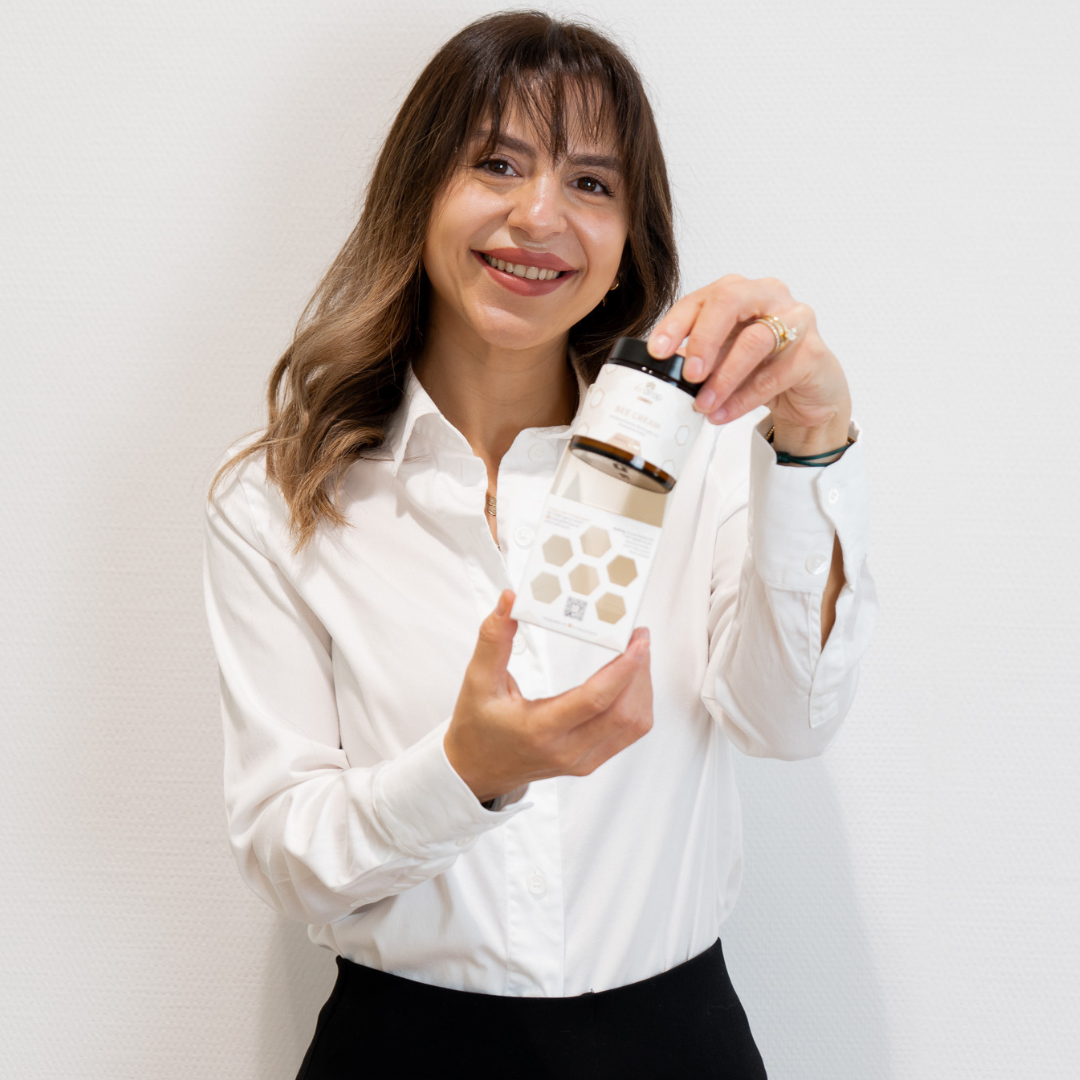
Bee products have been a part of my life since childhood. Every morning, a teaspoon of bee pollen and propolis was part of my daily routine to boost my well-being.
Years later, I also came to appreciate propolis as a complementary component of my skincare routine for sensitive skin prone to eczema. To this day, my skin is noticeably stronger, less dry, and less irritated.
This inspired me to incorporate the versatile properties of bee products into my own line and share my experiences with my community and many others.
For us, the well-being of the bees is always our top priority.
With passion and a commitment to social causes, we’re working to protect bees and biodiversity—and you can help, too.