






Filters


Methylglyoxal
Methylglyoxal
Methylglyoxal (MGO) from bedrop: Natural Energy for Your Everyday Life
Whether you’re juggling a busy work schedule, recovering after a workout, or facing the colder months: Your body accomplishes so much every day, and your well-being deserves mindful attention.
The key to a meaningful routine often lies in small, powerful rituals inspired by nature. Genuine bee products like Manuka honey help you enrich your day with soothing care from the inside out .
The secret behind the special status of New Zealand Manuka honey is the organiccompound methylglyoxal (MGO).
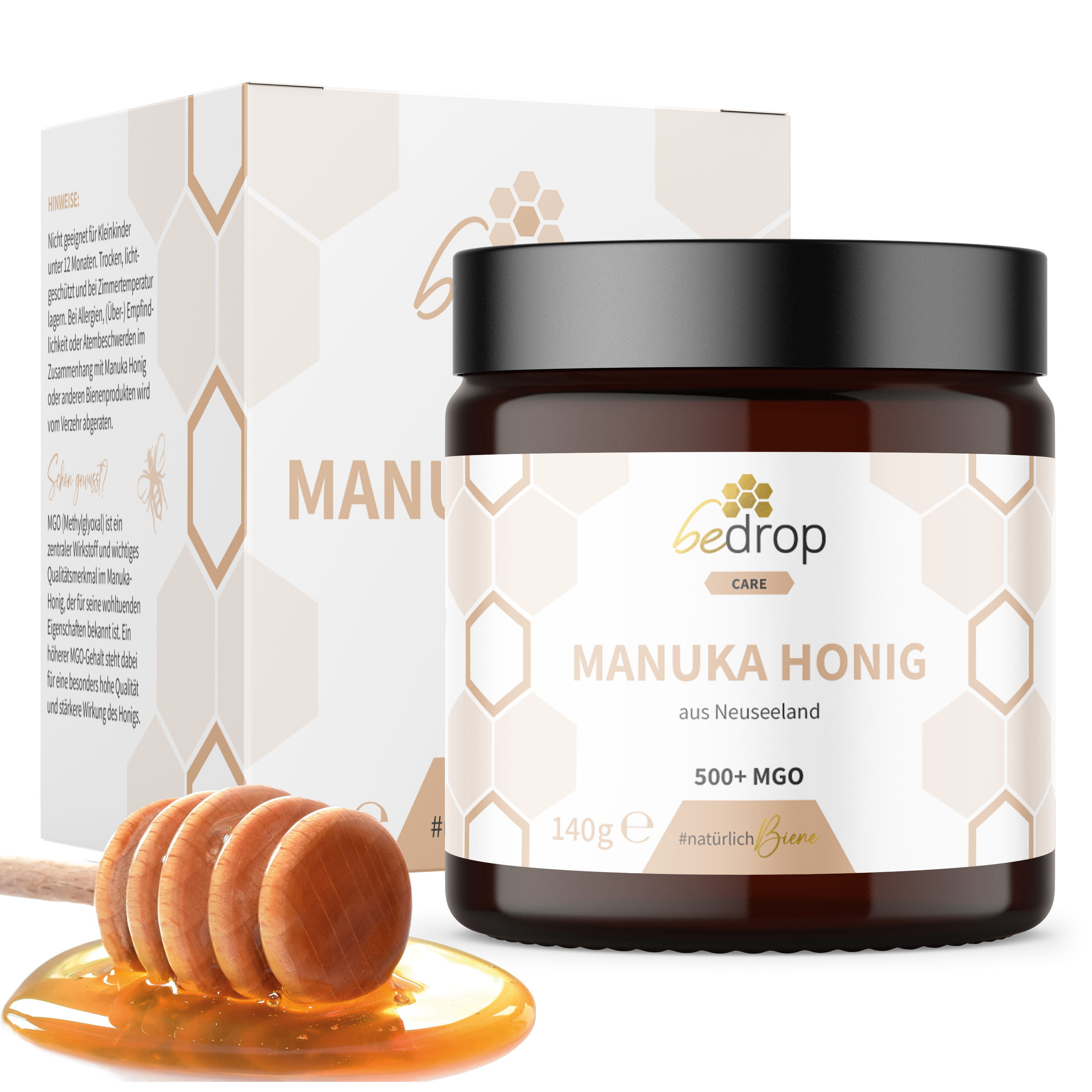
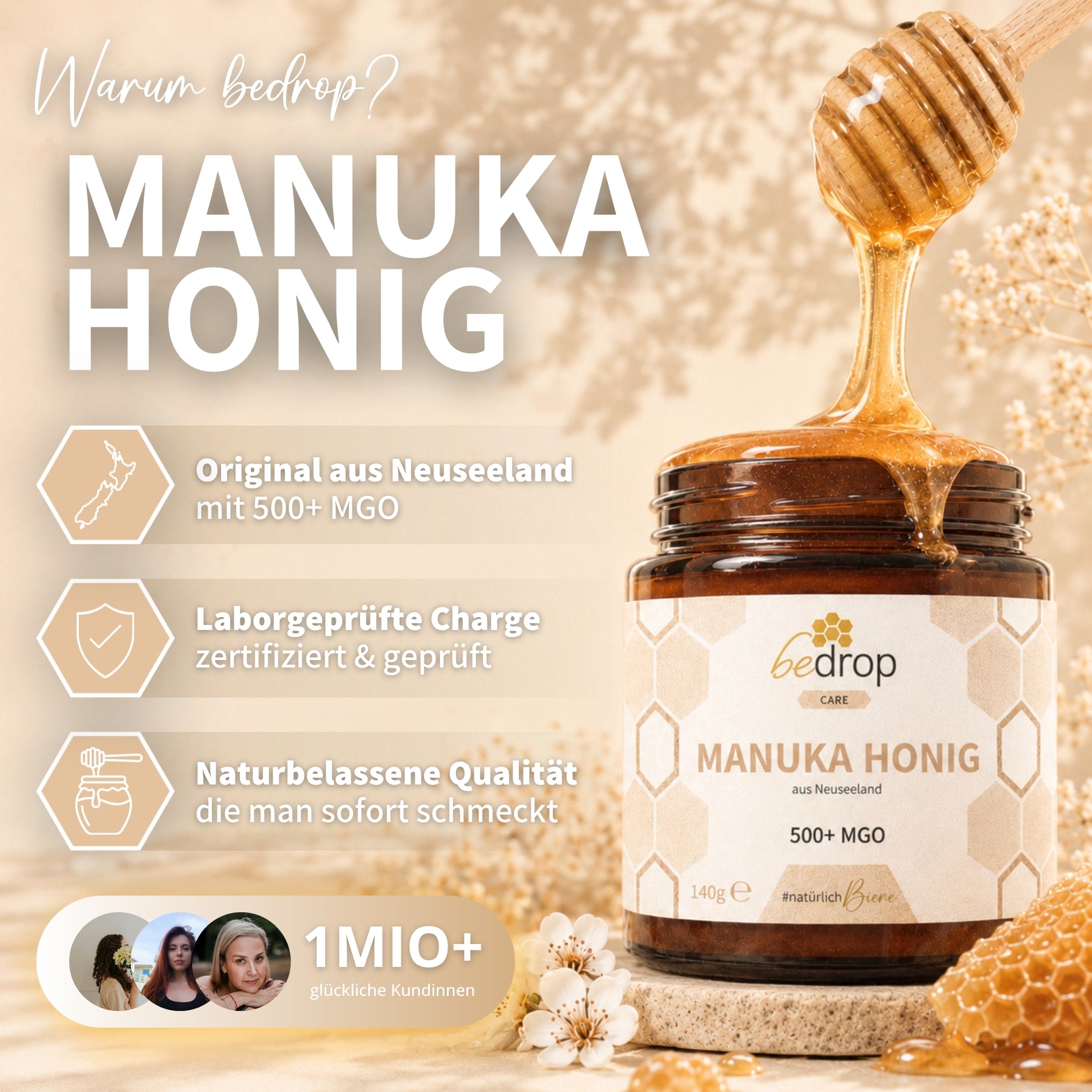
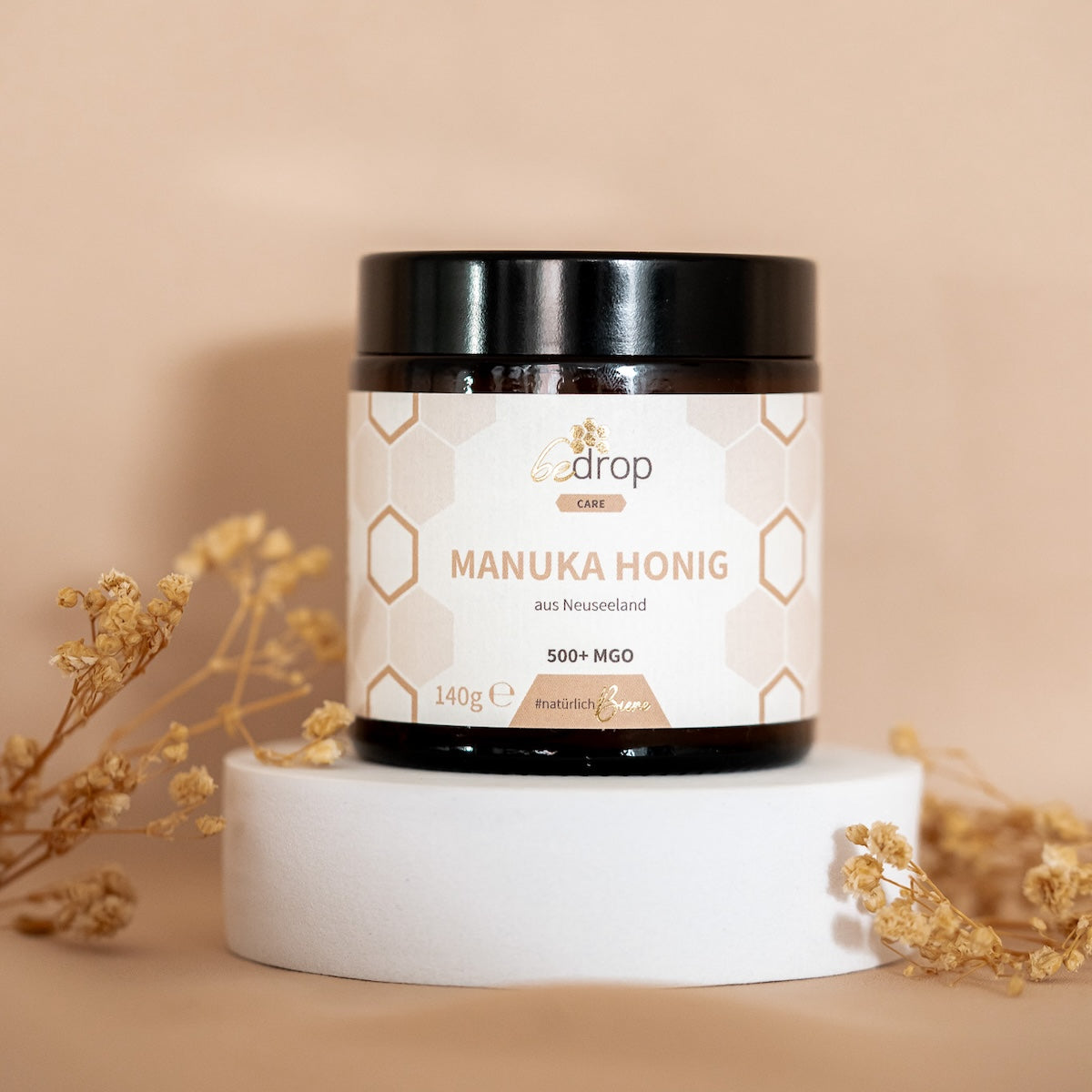
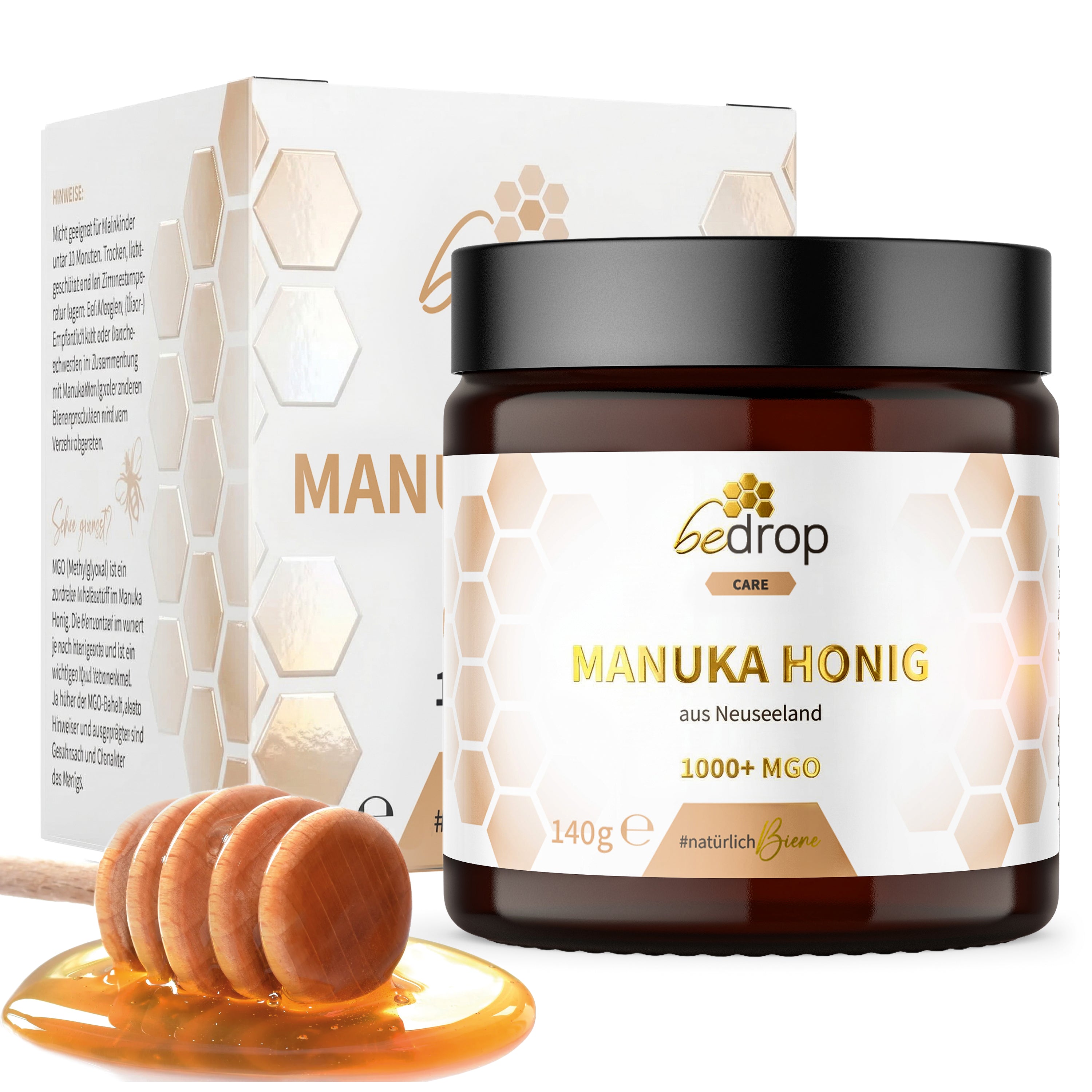
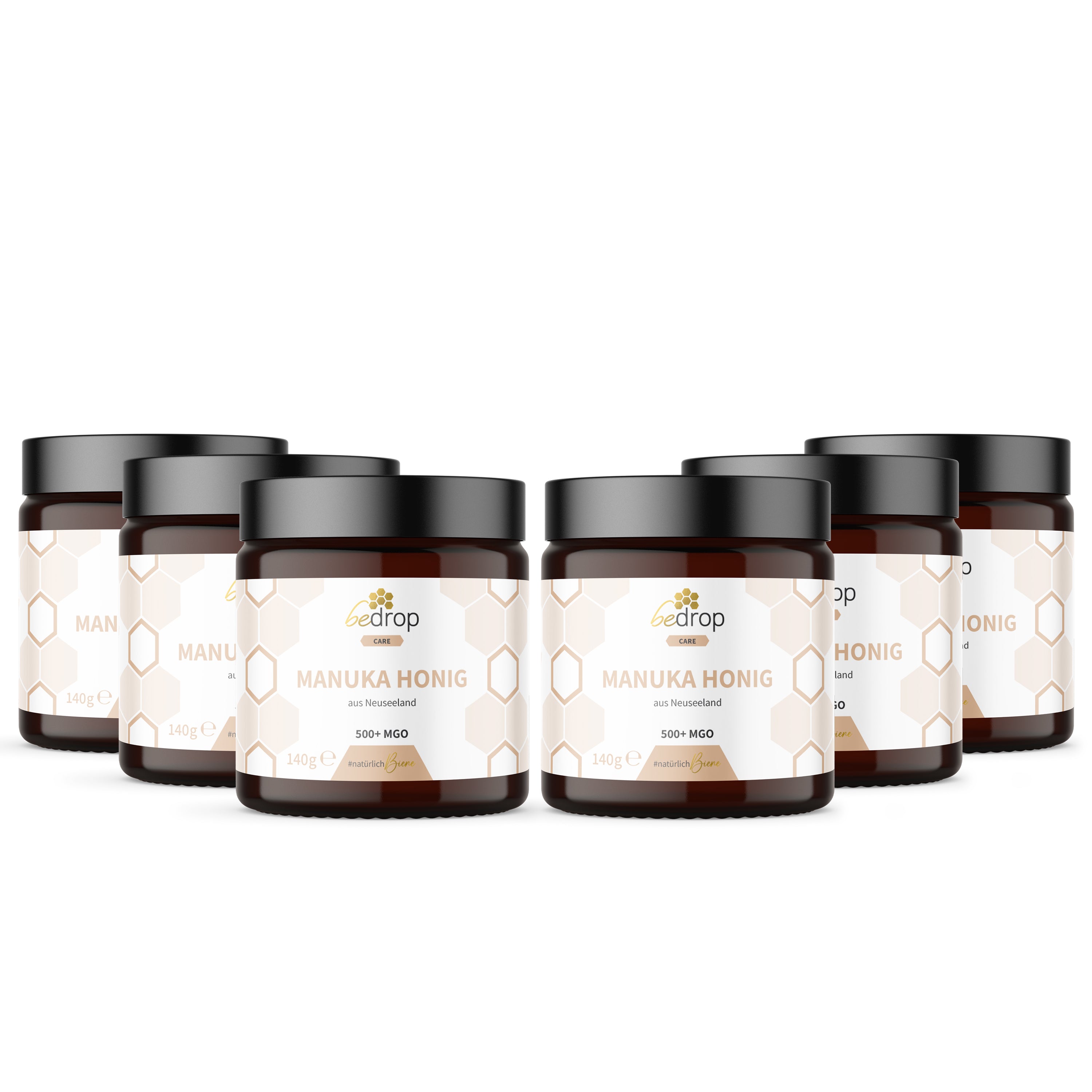
While ordinary blossom honey contains only minimal traces of it, Manuka honey reaches remarkable concentrations of 500+ or even over 1000+ mg per kilogram. At bedrop, you’ll find transparently tested products with clearly labeled MGO levels tailored to your individual needs.
The Formation of MGO: How the Power from New Zealand Matures
The formation of methylglyoxal is a fascinating wonder of the plant world:
- Its origin in nectar: During its short blooming period, the Manuka tree in New Zealand produces valuable nectar rich in dihydroxyacetone (DHA).
- The natural transformation: During maturation in the beehive and subsequent storage, DHA gradually converts into valuable methylglyoxal.
- The degree of ripeness is key: The more DHA the fresh nectar contains, the higher the resulting MGO value will be. This process takes weeks and months.
- Transparency through lab results: For you as a buyer, the MGO content is an objective, measurable standard that transparently verifies the bioactive content.
That is precisely why the stated methylglyoxal concentration serves as a reliable guide for selecting the honey that best suits your daily life.
Here’s what you should look for when buying MGO products
- Clearly visible MGO label: A specific number in milligrams per kilogram (e.g., MGO 500+ or MGO 1000+) should be clearly and legibly displayed on the label.
- Independent laboratory testing: Each batch should be analyzed and certified by independent laboratories to unequivocally verify purity and MGO content.
- Genuine New Zealand origin: Look for a complete chain of custody that protects you from counterfeits.
How to Choose the Right MGO Level for Your Needs
From powerful all-rounders for daily enjoyment to highly concentrated premium grades, bedrop offers you the right selection.
- MGO 500+ (The tried-and-true all-rounder): Ideal for anyone looking for a concentrated, high-quality addition to their regular routine. Perfect for enjoying a spoonful straight up every day, in lukewarm beverages, or with cereal.
- MGO 1000+ (Maximum Concentration for Connoisseurs): This particularly high grade is characterized by an intense, malty flavor with a strong character and is aimed at honey lovers who appreciate maximum MGO concentration.
Valuable Ingredients: The Power of Bees in Manuka Honey
The quality of natural raw materials determines your sense of well-being. Manuka honey combines unique plant elements with the hard work of bees.
- Methylglyoxal (MGO): The eponymous ingredient determines the honey’s characteristic value and is certified in milligrams per kilogram.
- Leptosperin: A purely plant-based compound that occurs naturally only in the nectar of the Manuka plant and serves as a tamper-proof proof of authenticity.
- Dihydroxyacetone (DHA): The natural building block from which the valuable MGO forms during gentle maturation.
Tips for Incorporating MGO into Your Daily Routine
To help your Manuka honey retain its valuable properties as effectively as possible and fit seamlessly into your day, try these simple tips:
- Enjoy it gently: Take one teaspoon straight every day and let it slowly melt in your mouth to fully appreciate the intense flavor.
- Don’t heat it too much: Ideally, stir Manuka honey into lukewarm beverages (below 40 °C) to preserve its natural ingredients.
- Store properly: Always keep your honey jar in a cool, dry place, protected from direct sunlight.
- Versatile uses: Whether as a natural topping on your bowl, in a smoothie, or as a sweet addition to breakfast—adapt its use to your preferences.
Discover our carefully selected variety of Manuka honeys with certified MGO content at bedrop and find the perfect level for your daily well-being.
Discover more Manuka honey products from bedrop:
- Manuka Honey Hair Oil
- Manuka Honey Hand Cream
- Manuka Honey Lip Balm
- Manuka Honey Syrup
- Manuka Honey Spray