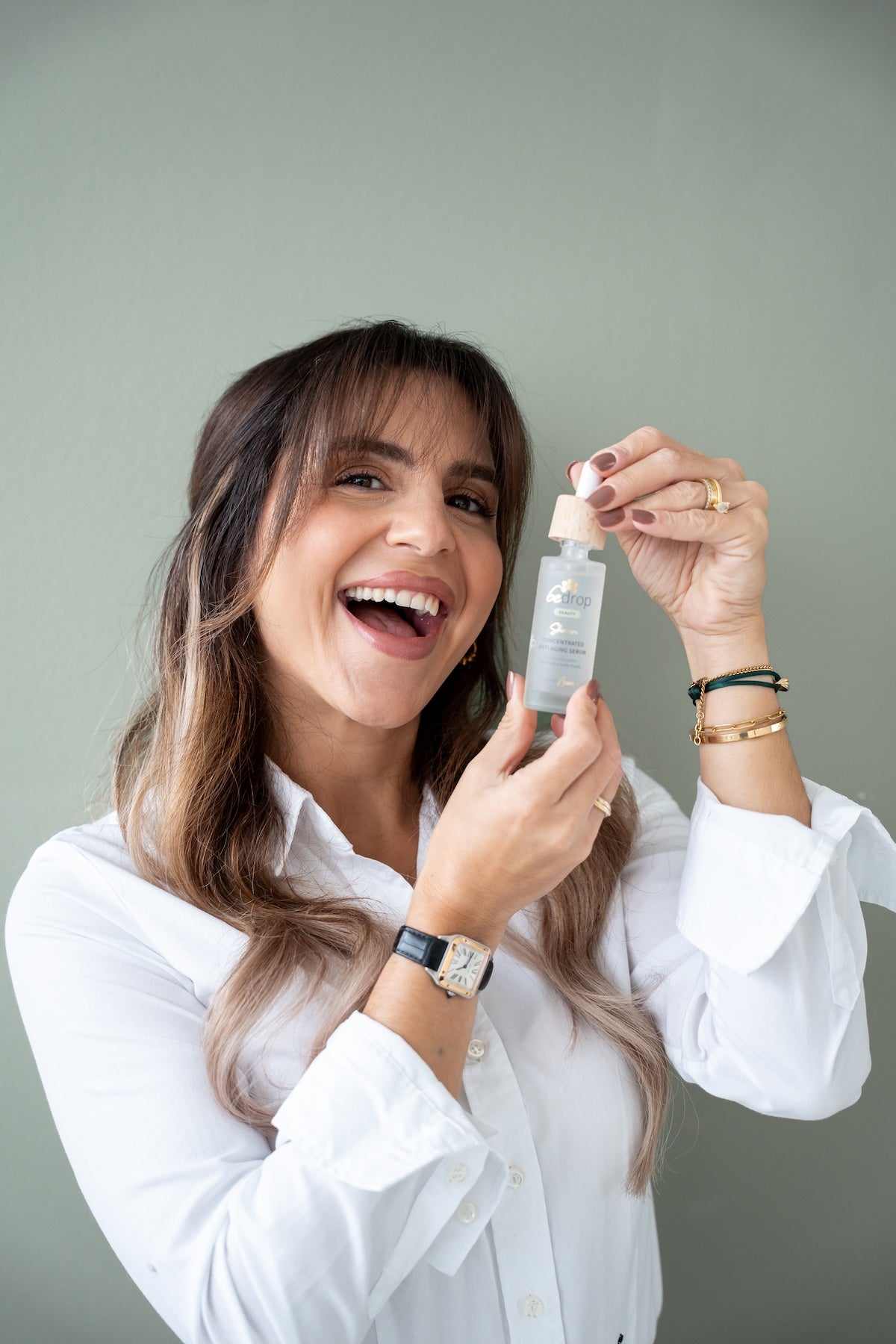
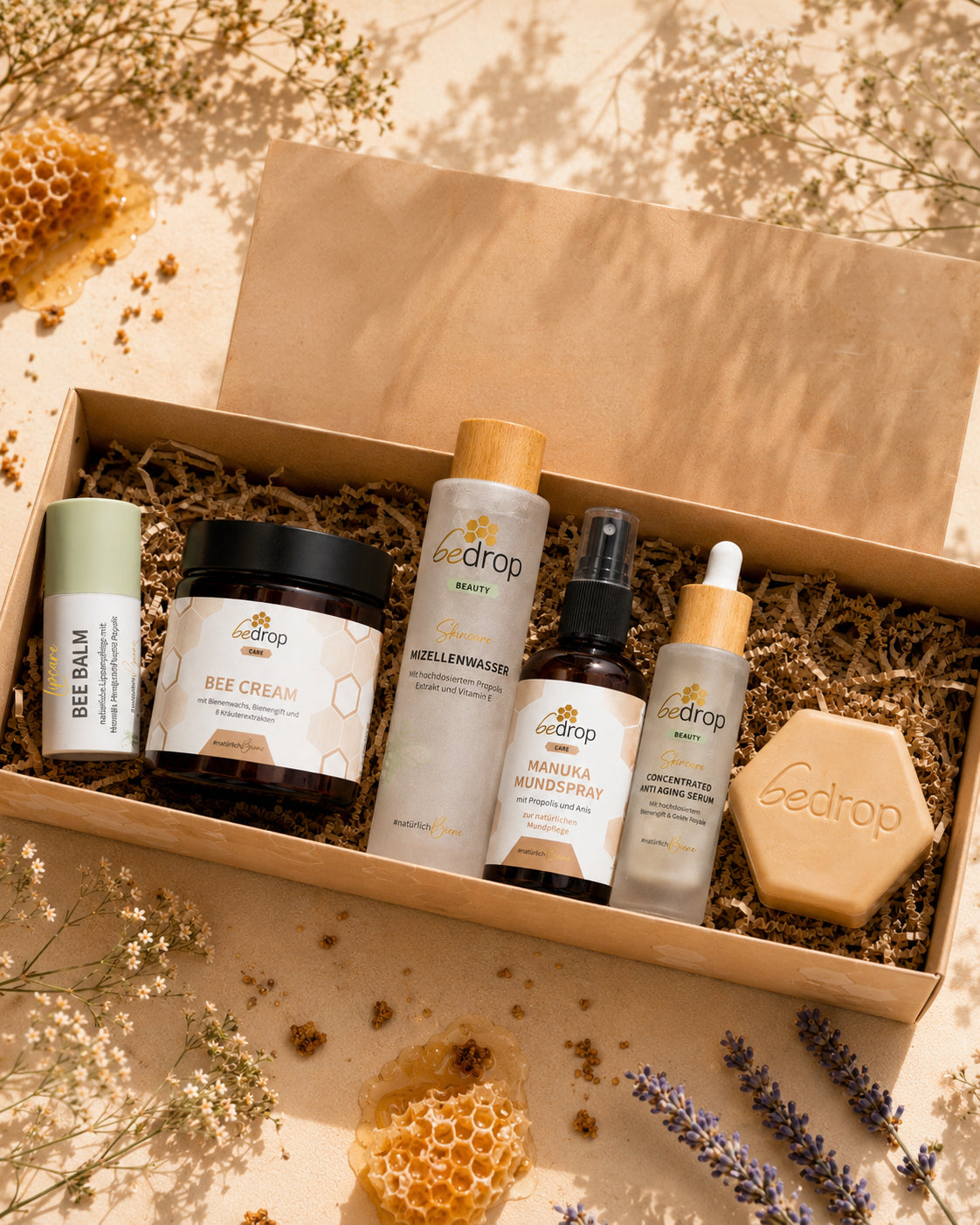
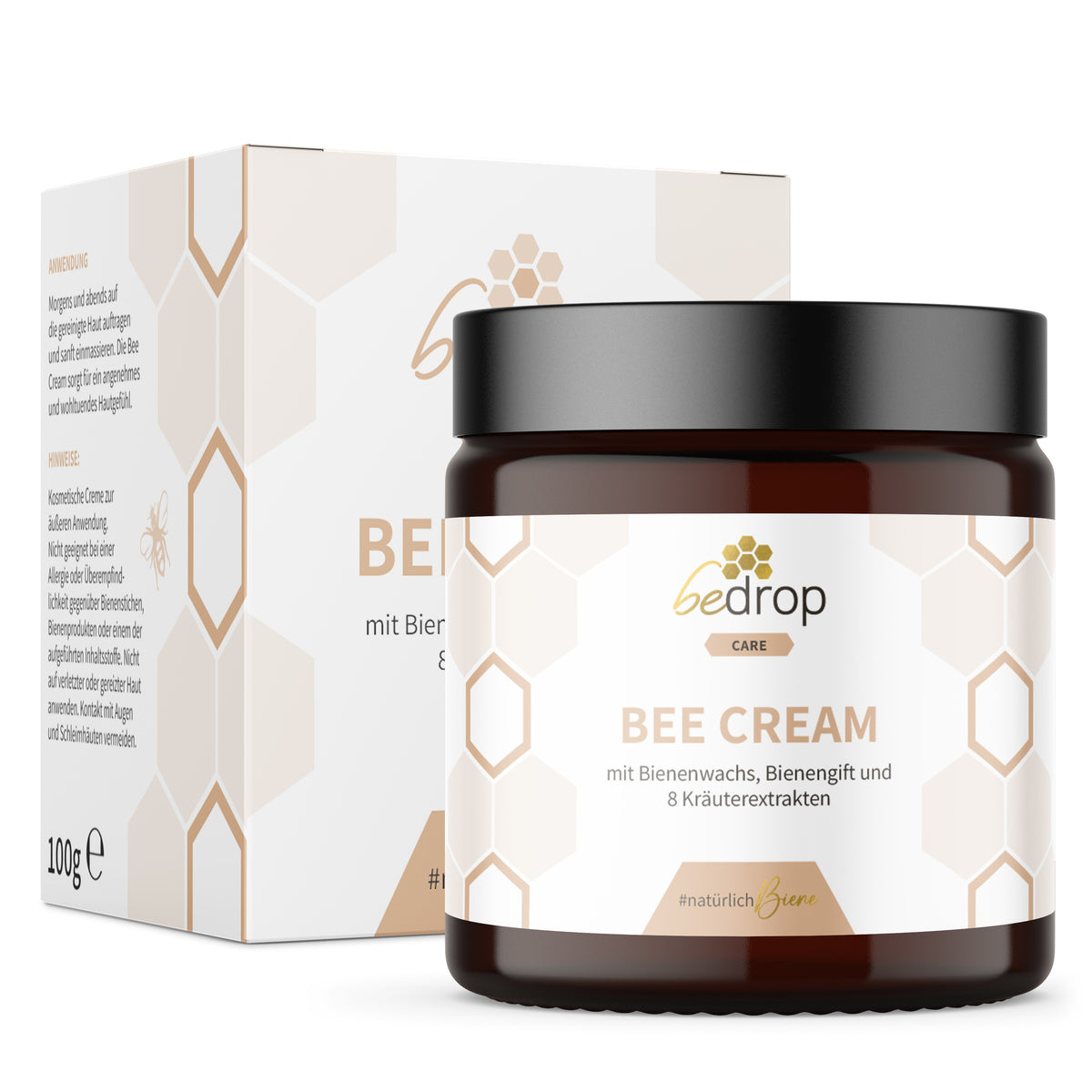
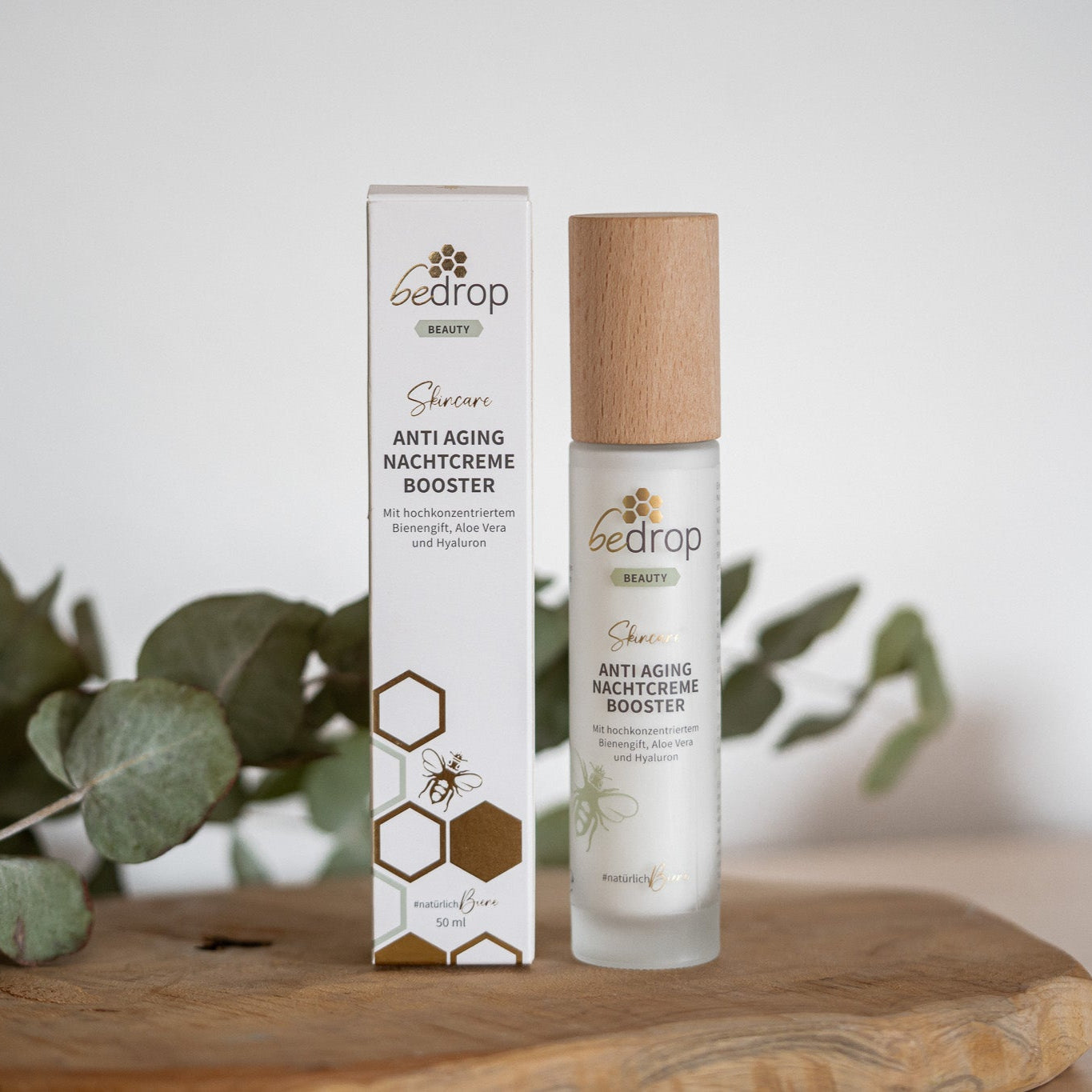
Our box:
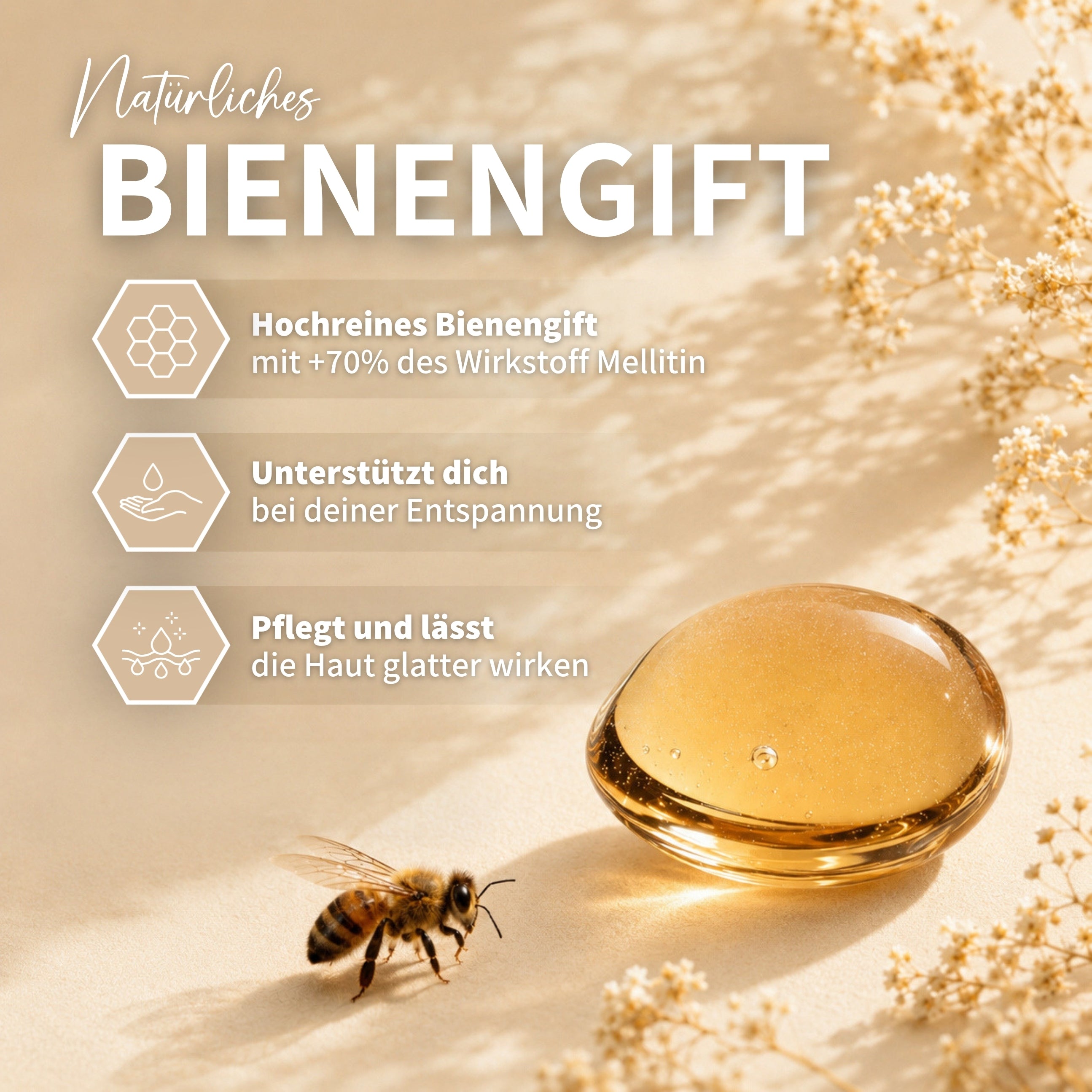
High-strength bee venom: firming and invigorating
Natural beauty alternative
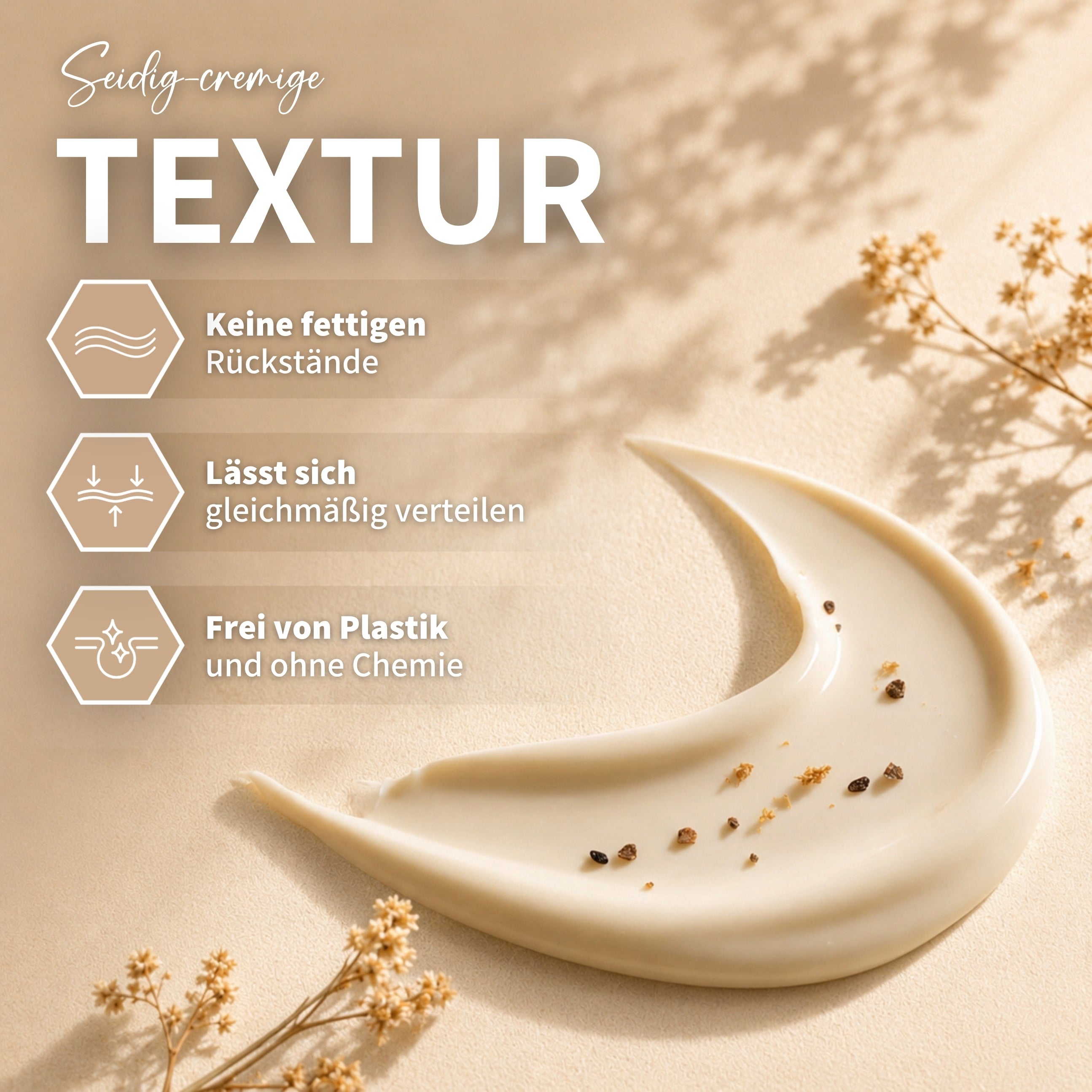
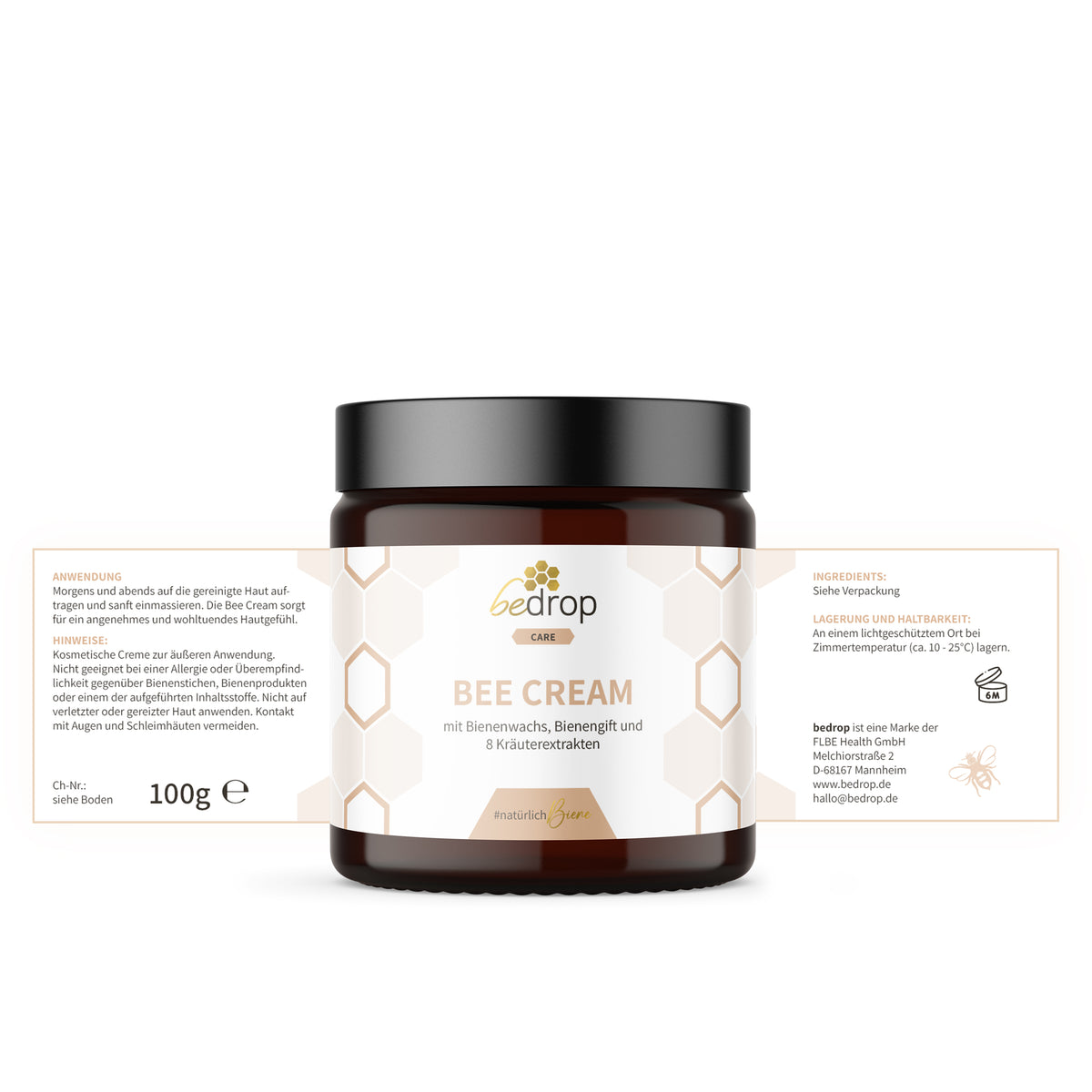
Moisturising, nutrient-rich formula
Supports skin regeneration


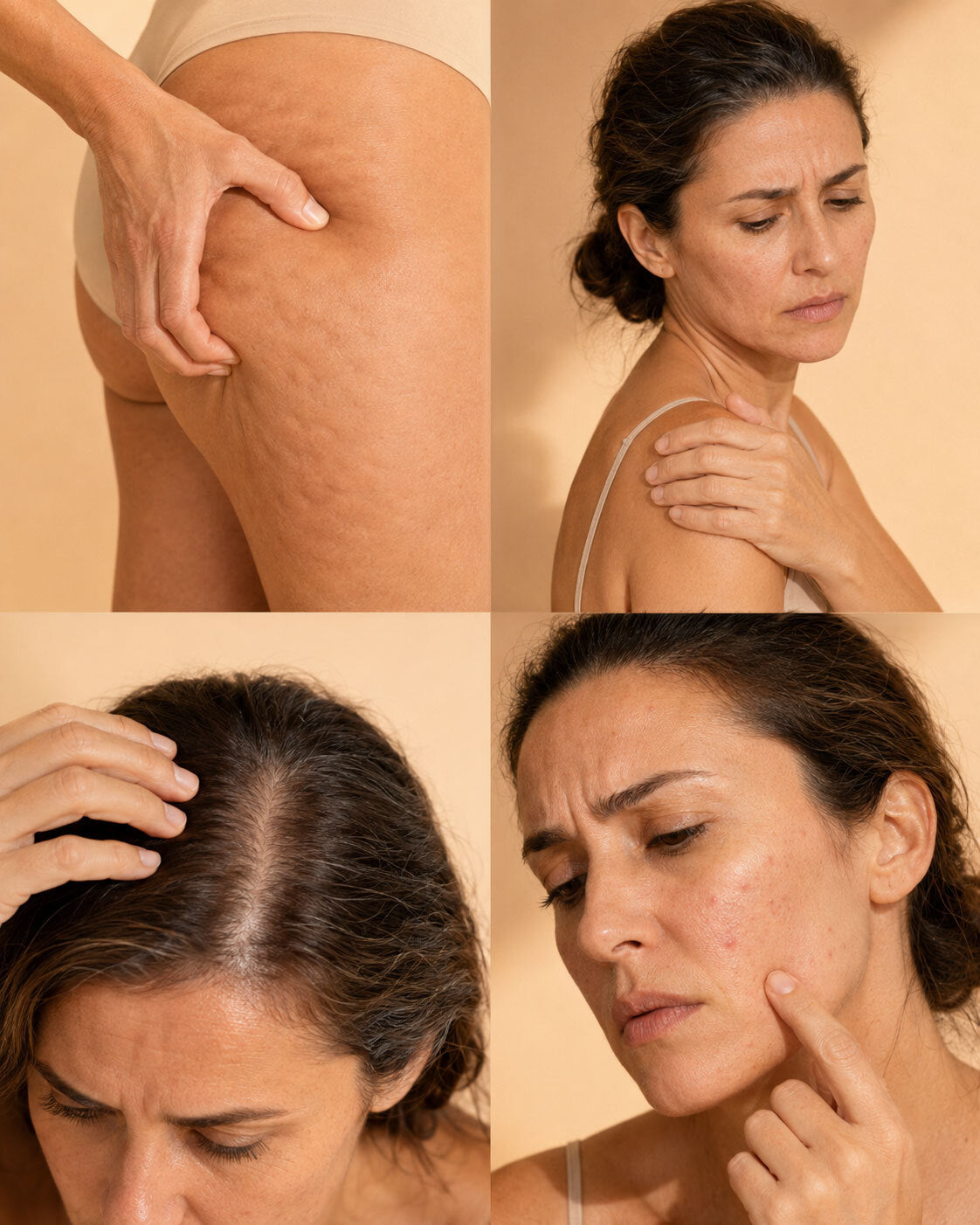
Muscles, joints or back out of balance?
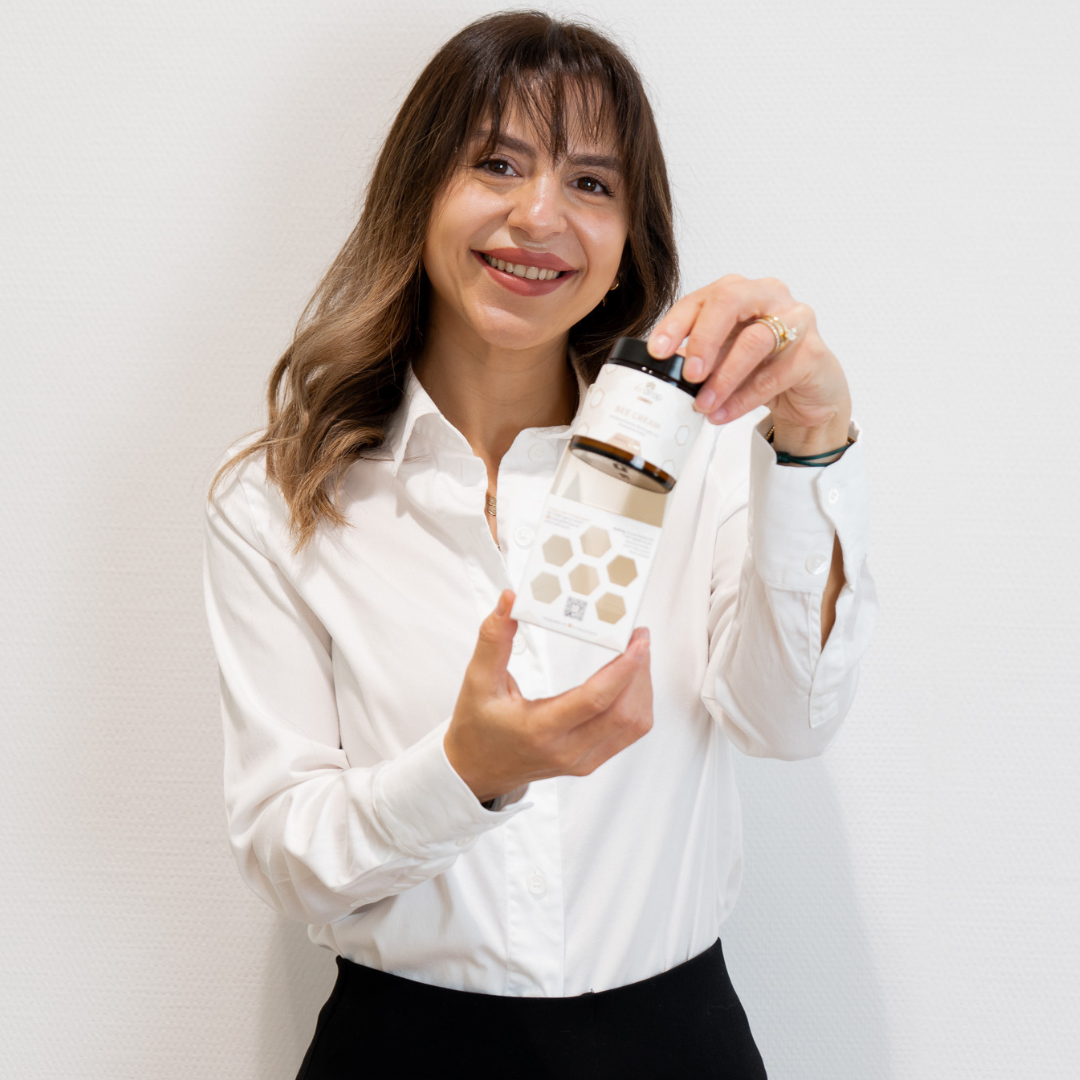
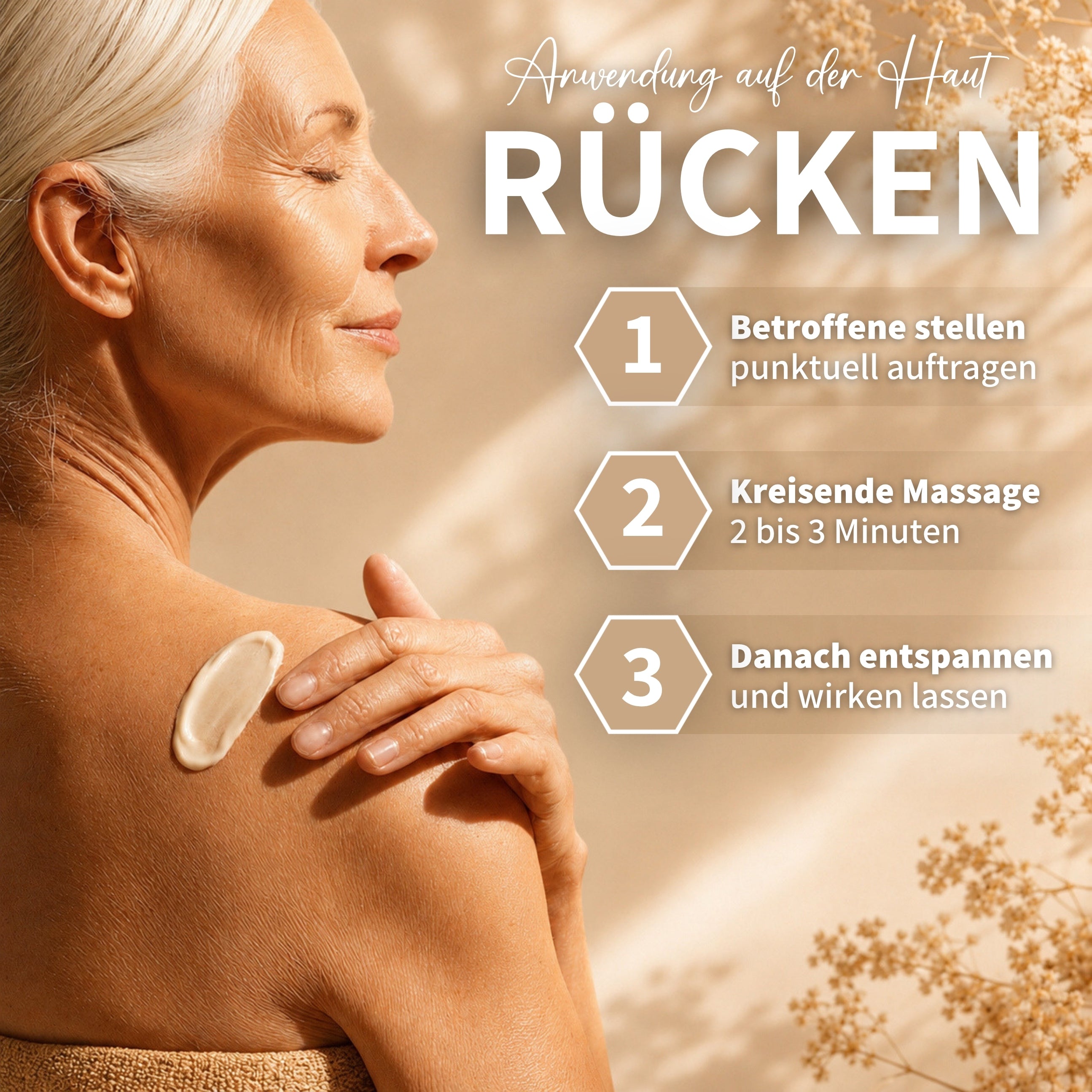
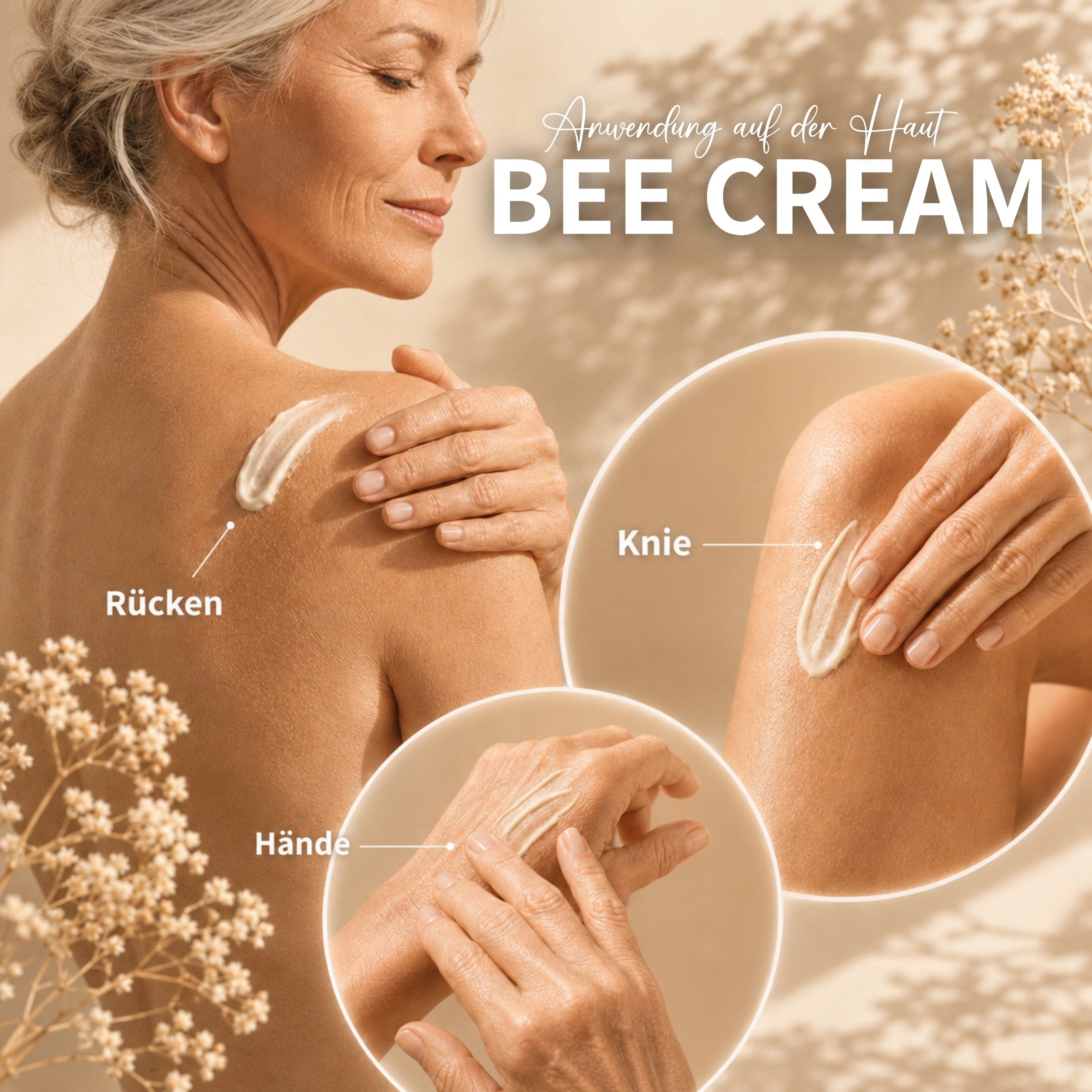
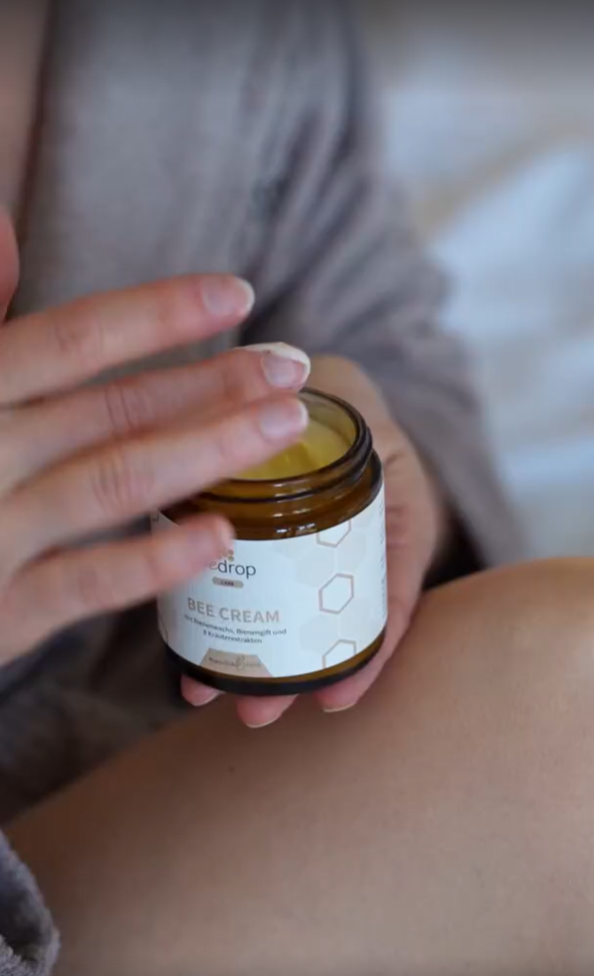
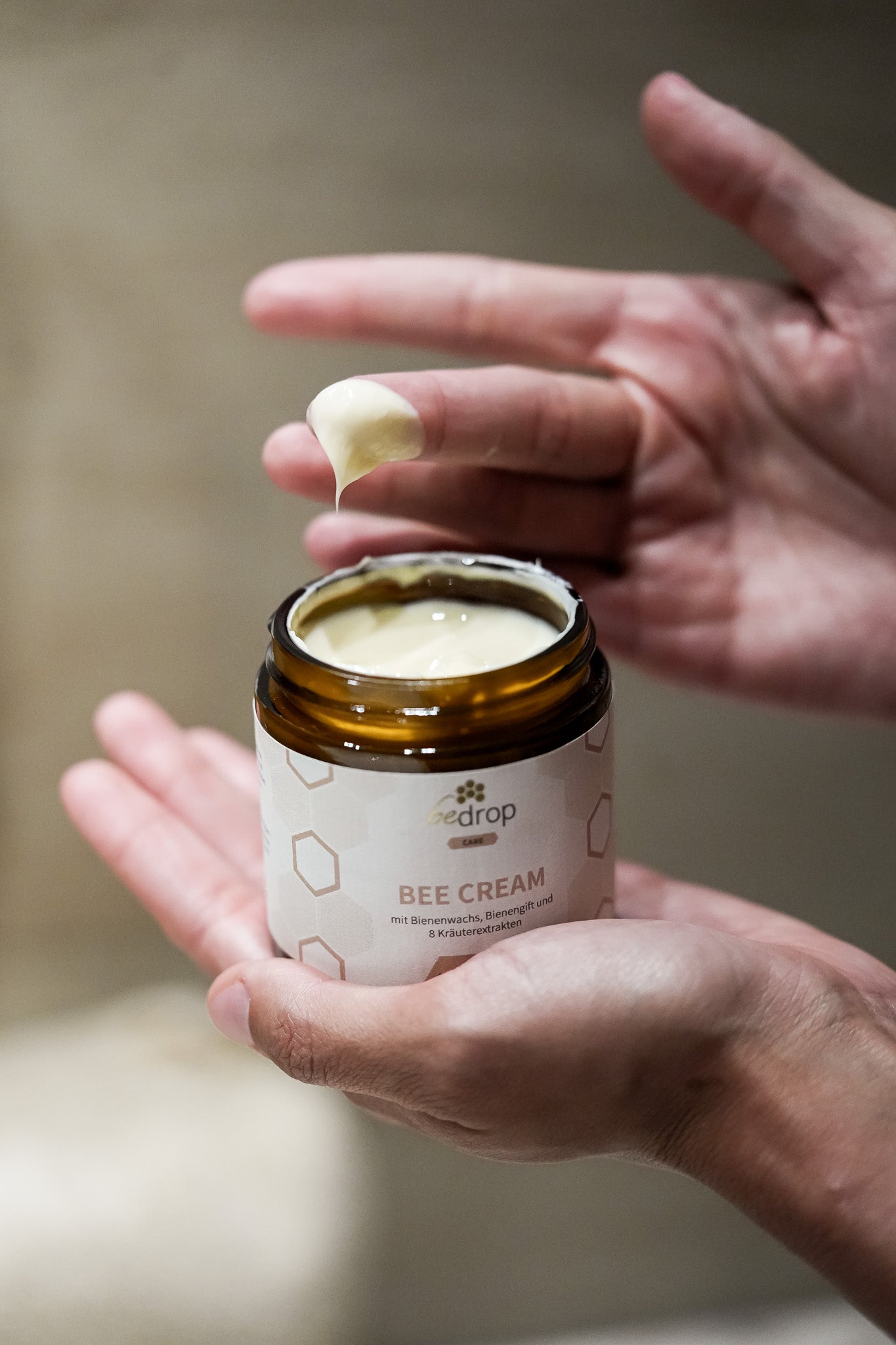
Conventional creams often only work on the surface. The Bee Cream with bee venom, by contrast, harnesses the natural power of bees to promote circulation and actively support areas such as muscles and joints.
The Bee Cream with bee venom combines the circulation‑boosting effect of bee venom with nourishing ingredients such as shea butter, menthol and natural oils. It targets areas like muscles, joints and the back – offering a natural alternative for daily care of stressed areas. For noticeable relief and greater freedom of movement in everyday life.
Recently sold: 32.274

“As a health and care specialist, I recommend the Bee Cream with bee venom because it provides a natural alternative to conventional pain creams. Bee venom stimulates microcirculation and can specifically support tense muscles and overworked joints. Shea butter and almond oil deeply nourish the skin at the same time—for a pleasant feel and noticeable wellbeing.”
- Kim Wan, Homeopath


"More relaxation in my back"
Franka on 03.08.25
After a friend recommended bedrop’s bee‑venom cream, I noticed positive changes after only a short time. My legs feel lighter and fresher, circulation has improved, and I feel more comfortable in my body overall. The cream is now a permanent part of my daily care routine.

"Feeling more mobile and active"
Gabriela on 17.09.25
At first I was sceptical, but after a few days of use I was really pleasantly surprised. The Bee Cream is especially good for my knees and shoulders. It absorbs quickly, has a pleasant scent — and best of all: I feel more mobile and active overall.

"Soothing after exercise"
Meike on 19.08.25
After sport or on long days I apply Bee Cream to strained areas such as my legs or back. The blend of a cooling effect and natural bee venom feels very soothing. I notice my muscles recover more quickly and I feel overall more relaxed.

The underrated helper:
Stimulates collagen production, firms the skin and reduces fine lines.

Calendula, eucalyptus, rosemary, comfrey, horse chestnut, arnica, great nettle, peppermint and aloe vera.

Locks in moisture, protects the skin and leaves it silky smooth.

Provide the skin with an immediate, intensely cooling sensation that refreshes and invigorates. This combination delivers a pleasant feeling of freshness and vitality.
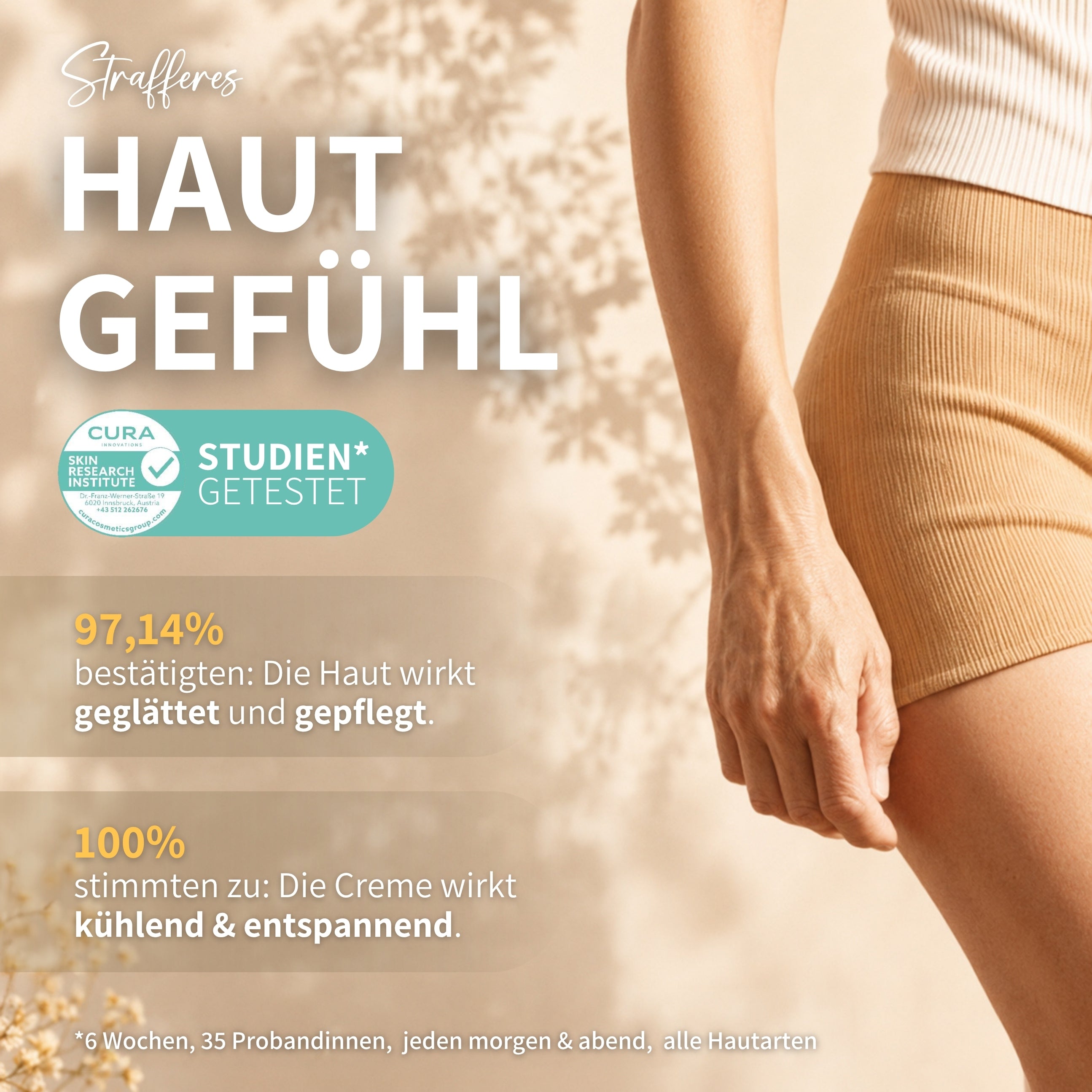
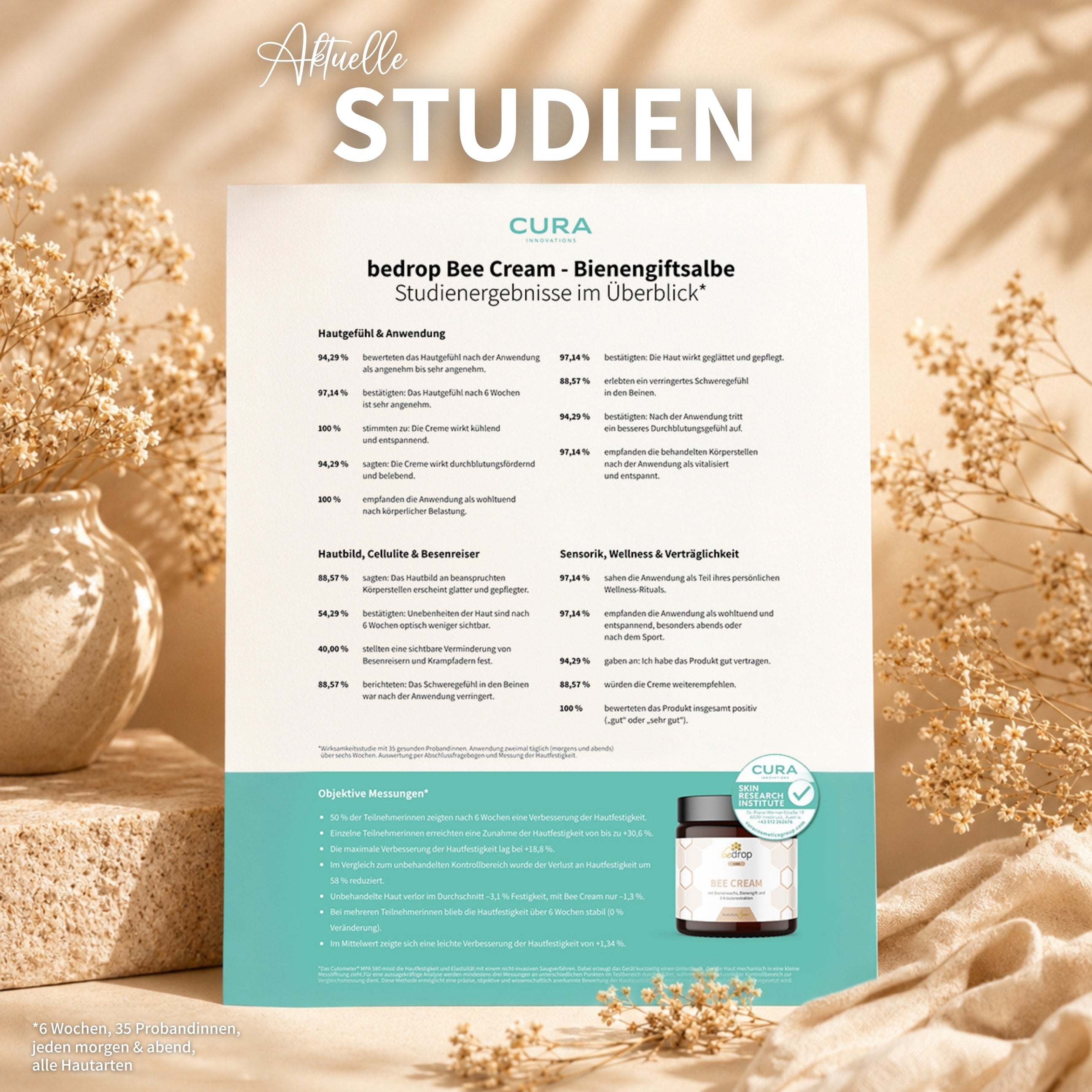
Numerous independent studies demonstrate the efficacy of bee venom*

Microcirculation

Skin regeneration
| Our box: | Other providers: |
|---|---|
High-strength bee venom: firming and invigorating |
Usually contains synthetic anti-ageing active ingredients |
Natural beauty alternative |
Often relies on chemical ingredients |
Moisturising, nutrient-rich formula |
Often provides only superficial moisture |
Supports skin regeneration |
|
I use the Bee Cream regularly on my legs – especially when they feel tired or overworked. It applies pleasantly, absorbs quickly and leaves the skin feeling cared for and light. A natural care I no longer want to be without.
– Claudia, 56 years old


FAQ
Many users report a noticeably more relaxed body, fewer tensions and soothing support for everyday muscle and joint complaints. Bee Cream can help improve mobility and boost well‑being — especially with regular use.
This varies from person to person — some notice a beneficial effect after the first applications, especially from the cooling sensation. For lasting support, we recommend using Bee Cream regularly for at least several days (2–3 times daily).
Because the BeeCream from bedrop is dermatologically tested and specially formulated for human skin, there is no cause for concern in cases of mild bee-venom allergies. The cream’s high bee-venom content is tempered by various herbal extracts, so it should only be avoided by people with severe allergies. Otherwise, there’s no need to worry. You can perform a short patch test, for example by applying a small amount to the back of your hand, to check for any reaction.
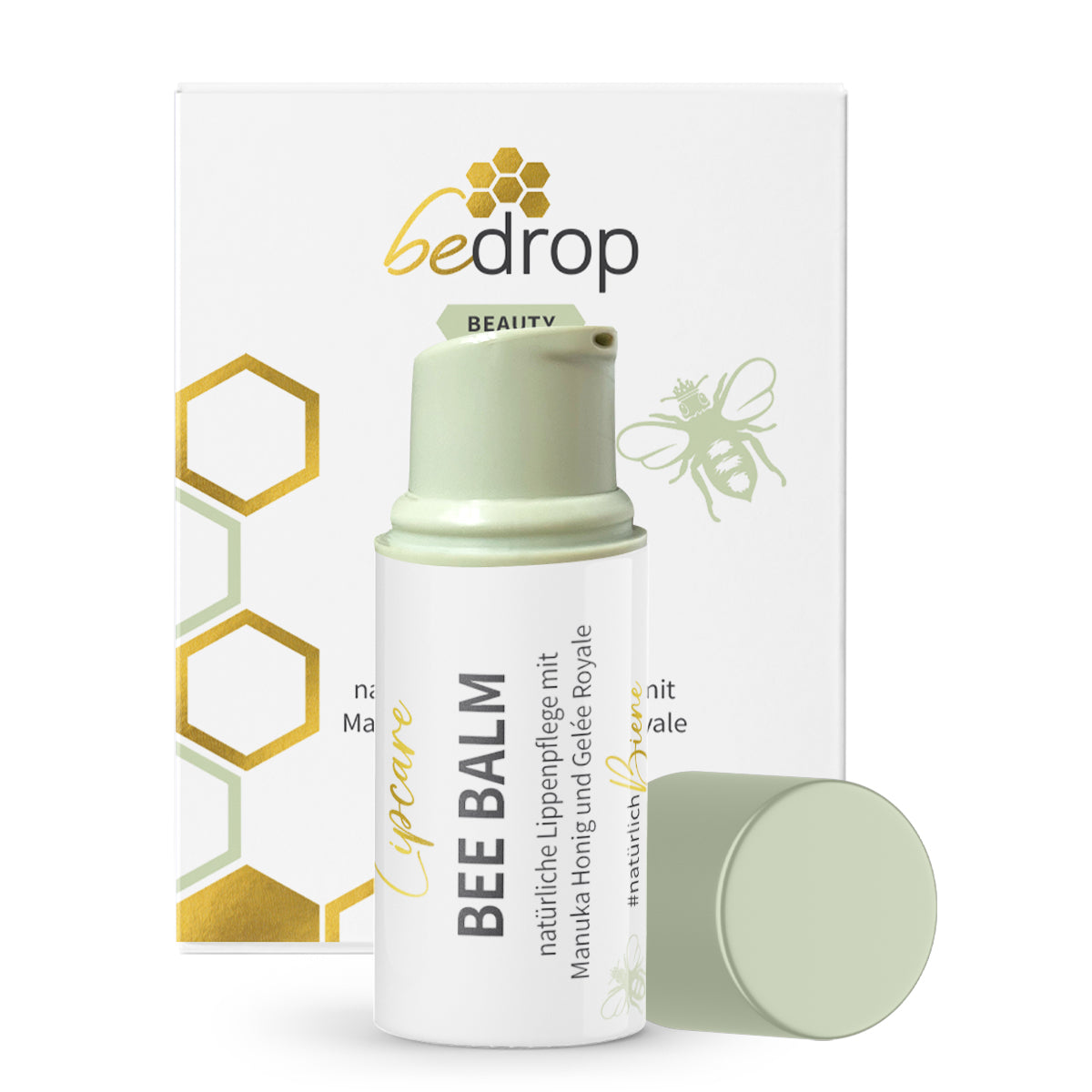
A slight burning or tingling sensation can be normal during the first applications, as the bee venom stimulates circulation. The burning may feel a little stronger initially because of the menthol content, but this will ease after about the 3rd–5th application. Avoid the eye area at first. With repeated use it becomes increasingly comfortable. Alternatively, bedrop’s BeeBalm can be used around the eyes.
Yes, bee venom salve is suitable for all skin types and genders. Men can also benefit from its effects.
There are no significant side effects. Only the initial tingling and mild burning are side effects that subside after 3–5 applications. Afterwards the sensation becomes increasingly pleasant. No other side effects are known.
No bees are harmed in the collection of bee venom. bedrop is organic‑certified and ensures sustainable extraction practices that meet the high standards of EU beekeeping and do not involve any imports. A sting is not harmful to the bee, except when it occurs on human skin, because in that case the bee dies. Otherwise a bee can sting multiple times and the venom is continuously replenished. For further questions or personal advice, we recommend contacting bedrop directly at www.bedrop.de.
Sources
* Pharmaforschung: Mildes Bee Venom shows greater application potential - https://aktuelles.uni-frankfurt.de/forschung/pharmaforschung-mildes-bienengift-zeigt-groesseres-anwendungspotenzial/
* Bee Venom Acupuncture for Musculoskeletal Pain: A Review - https://www.jpain.org/article/S1526-5900(07)01021-8/fulltext
* Therapeutic Potential of Bee and Wasp Venom in Anti-Arthritic Treatment: A Review - https://www.mdpi.com/2072-6651/16/11/452
* Therapeutic Potential and Mechanisms of Bee Venom Therapy: A Comprehensive Review of Apitoxin Applications and Safety Enhancement Strategies - https://pubmed.ncbi.nlm.nih.gov/39338374/
* Efficacy of Bee Venom Acupuncture for Chronic Low Back Pain: A Randomized, Double-Blinded, Sham-Controlled Trial - https://pubmed.ncbi.nlm.nih.gov/29112155/