




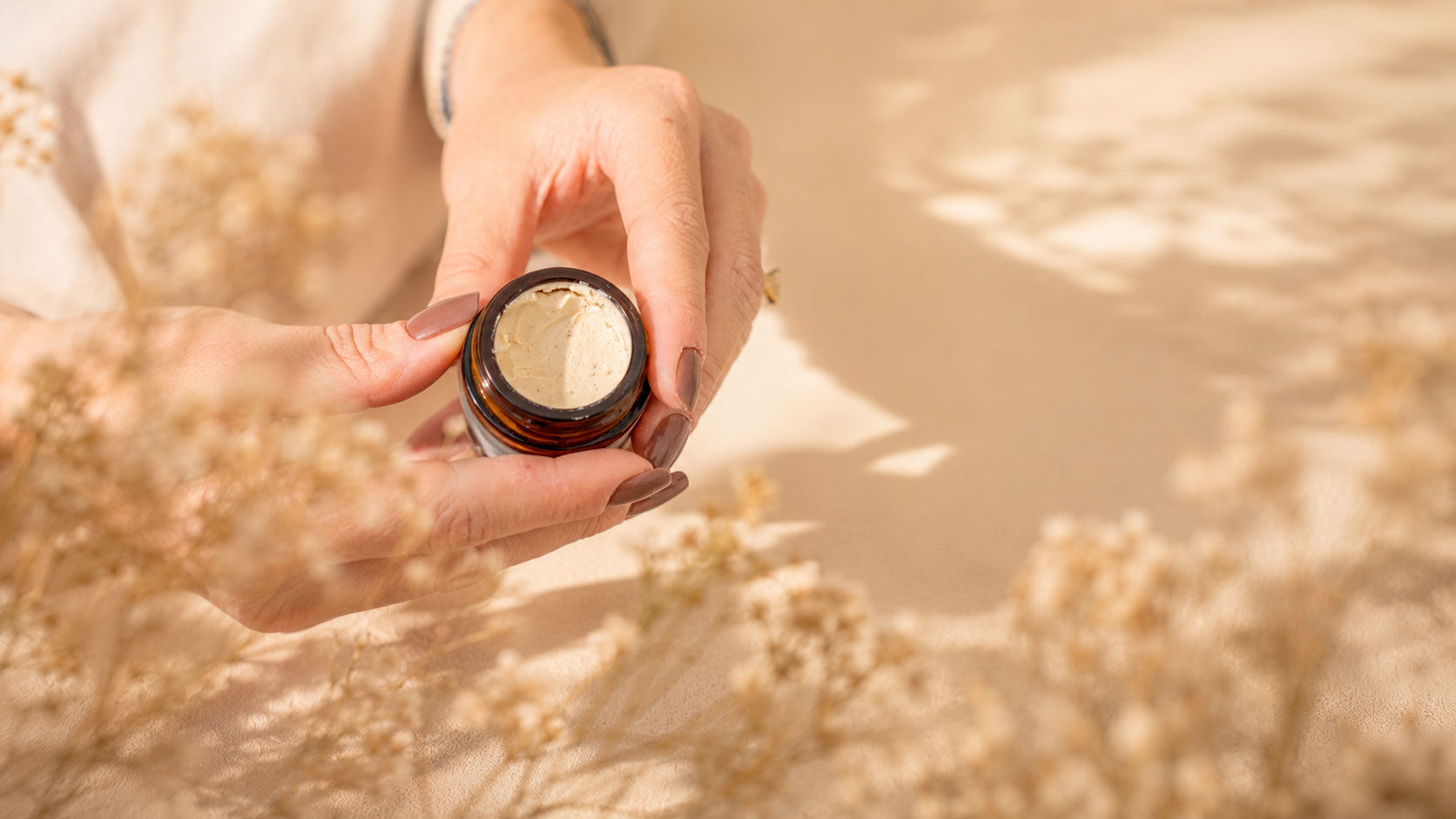
Propolis deodorant
Filters
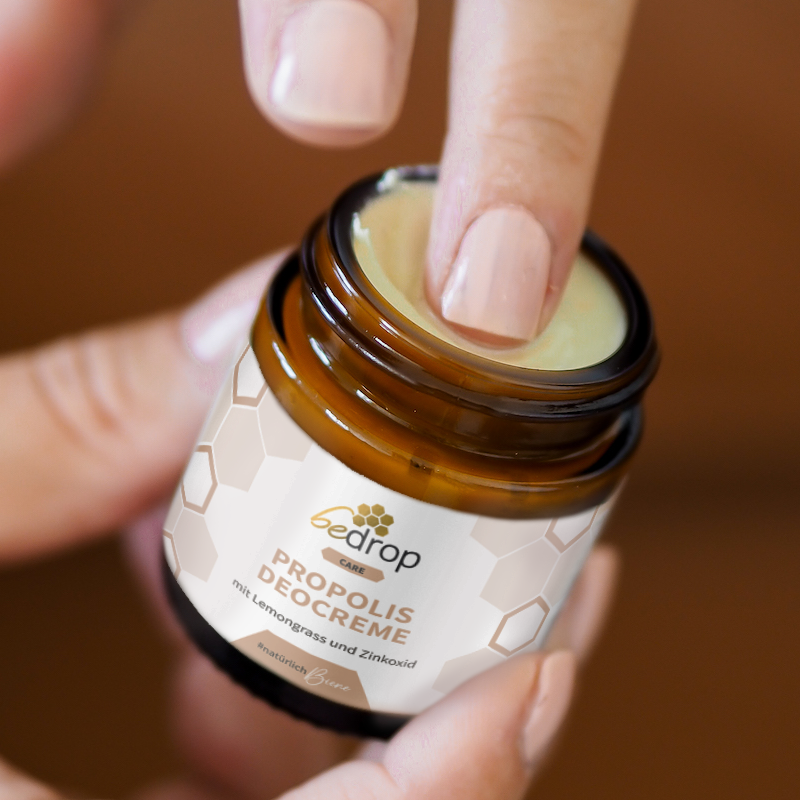
Propolis deodorant
Propolis deodorant
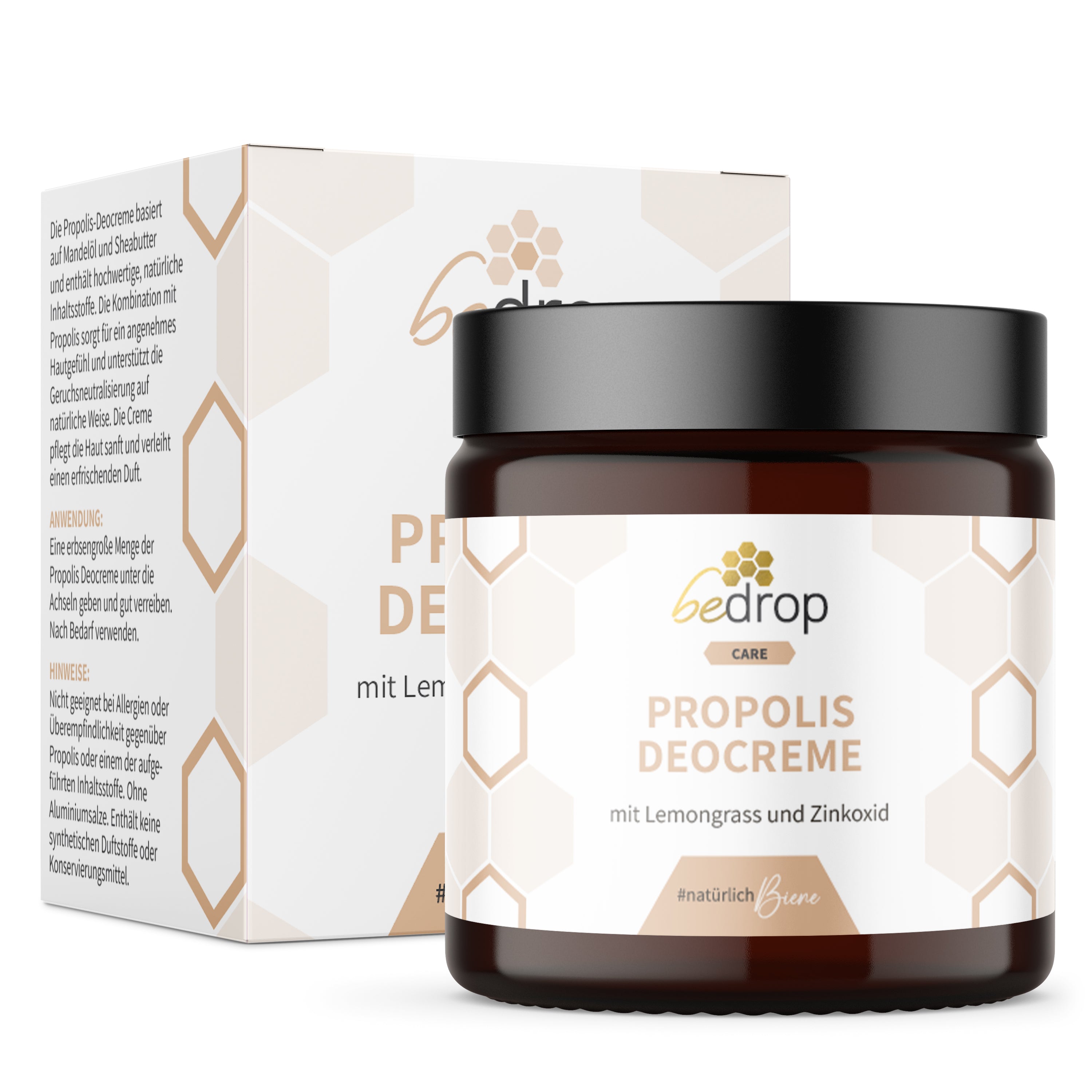
Natural. Effective. Propolis-Lemongrass Deodorant Cream
More and more people are attaching importance to purely natural body care and swear by deodorant cream as the perfect alternative to classic deodorants. Unlike deodorant sprays, roll-ons or commercially available deodorant sticks, our deodorant cream is based on high-quality, purely natural ingredients such as coconut and almond oil, shea butter, propolis extract, baking soda and silica.
These ingredients in our deodorant cream can bind body odor and simultaneously care for your skin without clogging the pores or negatively affecting the skin flora. Our all-natural deodorant is available in a responsible glass jar, completely free from plastic and packaged in an environmentally friendly way.
Natural freshness for every day: what makes bedrop propolis-lemongrass deodorant cream so special?
Our aluminum-free deodorant cream is particularly suitable for people with sensitive or dry skin or with a tendency to rosacea or other skin irritations, as it uses soothing ingredients without chemicals. And it leaves the skin feeling soft and nourished without being overly irritating.
bedrop propolis-lemongrass deodorant cream: the most important benefits at a glance
-
Purely natural fragrance: Contains only purely natural, refreshing and high-quality fragrances such as lemongrass and citral
-
Mode of action: Our natural deodorant binds odors thanks to baking soda, zinc oxide and purely natural fragrance oils, without constricting or closing the pores
-
Skin compatibility: Very gentle and skin-friendly, generally suitable for all skin types, especially for sensitive skin and skin prone to irritation
- Plastic-free packaging: Our solid cream deodorant comes in recyclable glass. The packaging contains no single-use plastic.
Our natural cosmetic deodorant from bedrop - what's in it? Focus on the ingredients
Our bedrop deodorant cream focuses on transparency and natural formulas: the basis is formed by nourishing coconut oil and shea butter. Added to this is baking soda as an effective odor absorber, supplemented by zinc oxide and propolis, which also feel very pleasant after shaving your armpits. Other ingredients, natural plant extracts and essential oils bring fresh fragrance nuances into play.
🍯 Particularly exciting: bedrop's propolis deodorant cream uses the protective resin produced by bees as its main ingredient. Propolis is said to have skin-regenerating properties - an interesting option for sensitive skin and for gentle care in the event of redness or itching. The exfoliating effect of the propolis grains it contains can also prevent ingrown hairs.
Checklist: What you should look out for in natural deodorant cream:
- Is it really free from aluminum, artificial fragrances or preservatives?
- Does it have a high-quality, purely natural formula?
- Consider skin type and allergies, look for low-irritant ingredients
- Does the deodorant come in responsible, recyclable packaging?
Is it worth switching to a natural deodorant cream?
Yes, because switching from classic deodorant to an all-natural deodorant is a conscious step towards a mindful, responsible lifestyle. Do something good for yourself and the environment with pure bee power!
🍯Our expert tip: The skin often needs a few days to adjust to the new care concept - this adjustment phase is completely normal. Many customers then report less skin irritation and a fresh feeling throughout the day - without any harmful additives in the deodorant.
How do you use our deodorant cream correctly?
Here are the step-by-step instructions:
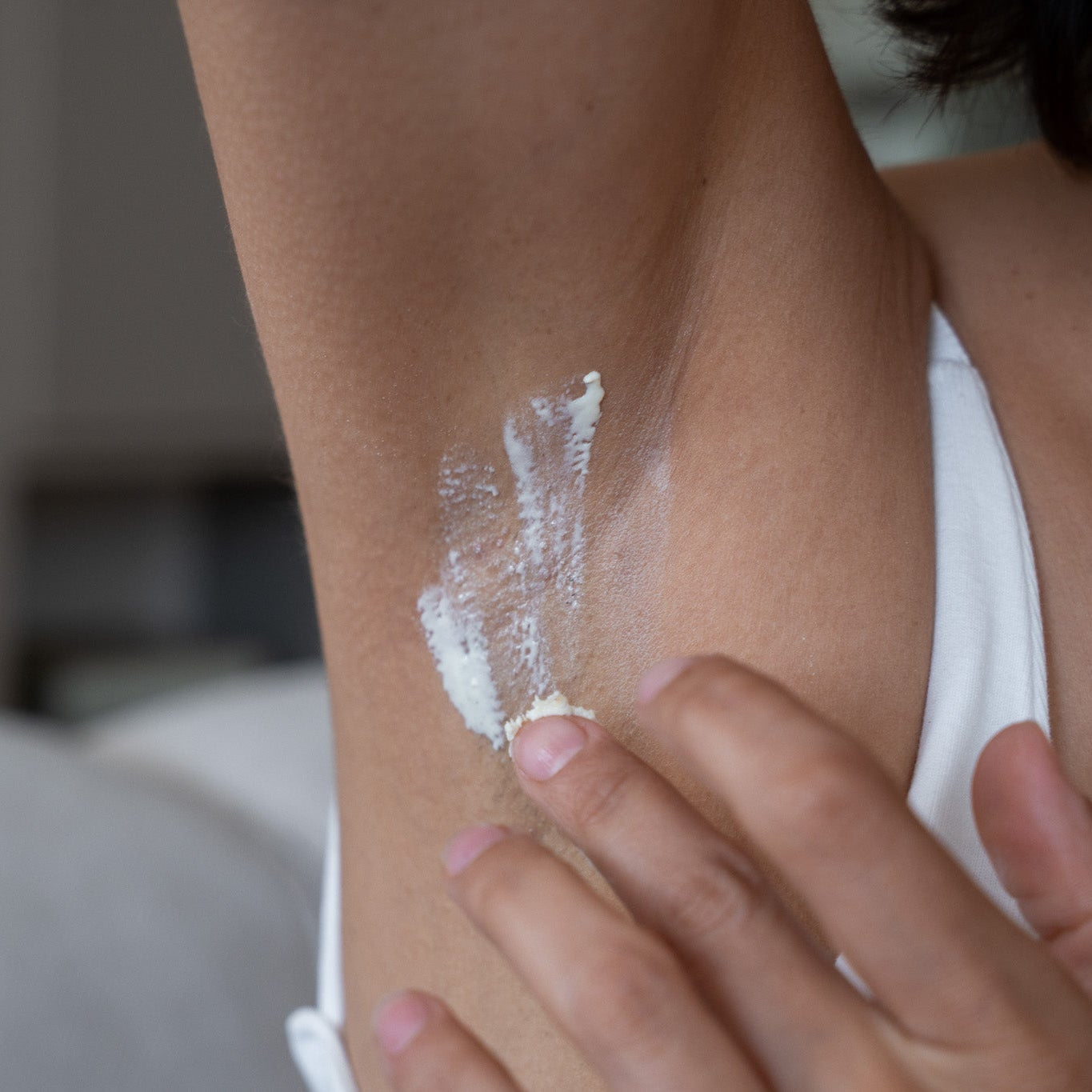
- After showering or washing, clean your hands and take a pea-sized amount of deodorant cream from the jar
- Apply gently and evenly with your fingertips to clean, dry underarm skin
- Allow to absorb
- Reapply during the day if necessary, especially after sport or on hot days
Our deodorant cream variants: Alone or as a set:
Our propolis-lemongrass deodorant cream is your natural everyday companion for a fresh skin feeling - completely without aluminum, without synthetic additives, but works with the power of bees.
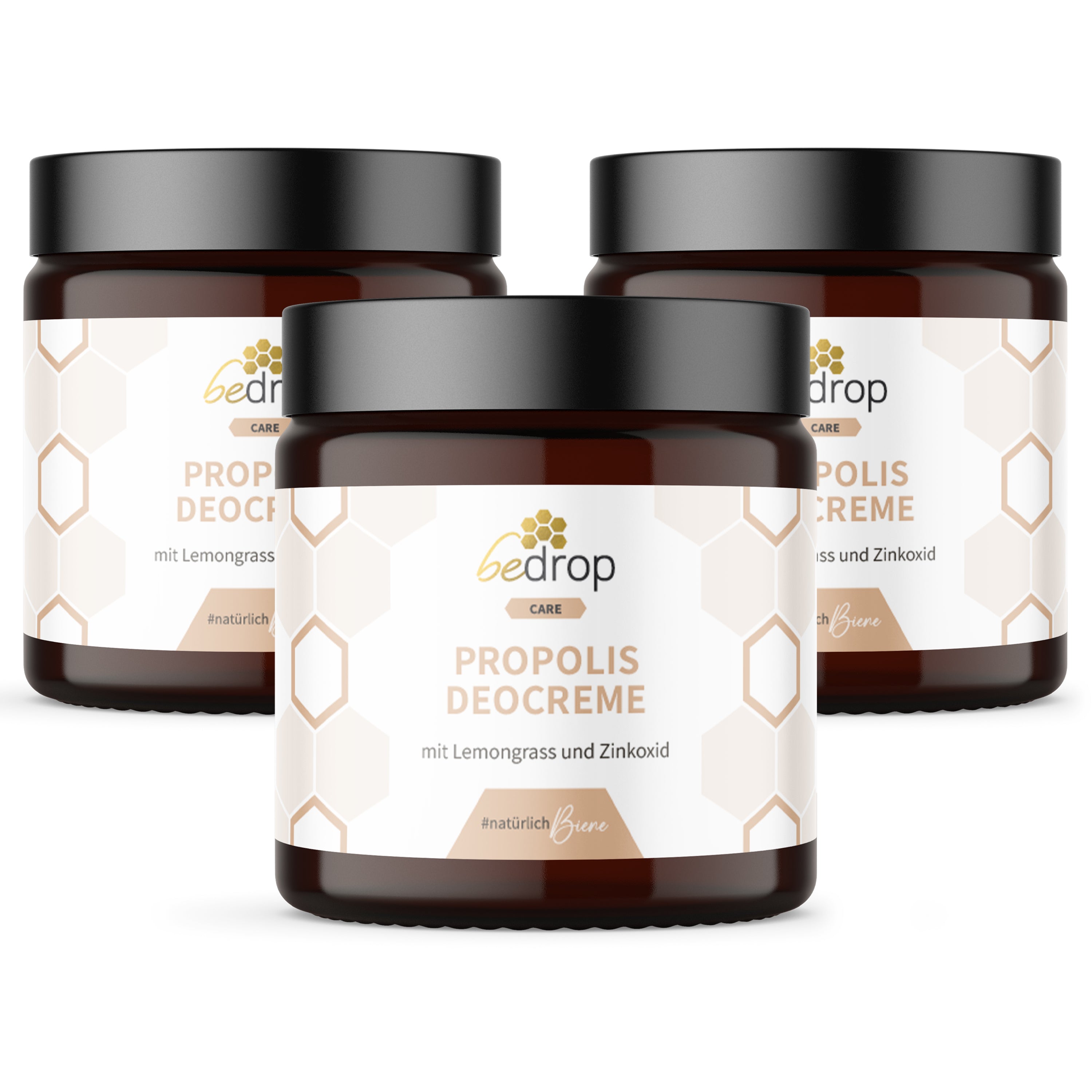
Whether individually or in the practical 3-piece value set: you decide how much bee power ends up in your bathroom. Perfect for providing you with all-round natural care or as a gift.
FAQ
Is deodorant cream better than classic deodorant?
Deodorant creams rely on natural odor control and care without constricting the pores. They are gentle on the skin and contain no aluminum salts. This makes them particularly kind to the skin.
Which deodorant cream is the best?
The best deodorant cream depends on your skin type, fragrance preference and skin sensitivity. Try the special formula of our propolis-lemongrass deodorant cream for sensitive skin.
When should you apply deodorant cream?
Simply apply a small amount to clean, dry armpits after showering or washing and spread well. You can easily reapply during sport, heat or long days.
Does a deodorant without aluminum really work?
Many users find natural deodorant creams such as bedrop propolis-lemongrass deodorant cream to be reliable, as ingredients such as baking soda, zinc oxide or propolis can bind odors. The skin can breathe and is not burdened by aluminum salts.
What is propolis and why is it so effective?
Propolis is a resin produced by bees that is said to have skin-regenerating properties. Propolis deodorant creams can therefore be used on sensitive skin and even for redness and irritation and are generally well tolerated.
🐝 Discover also: