






Filters

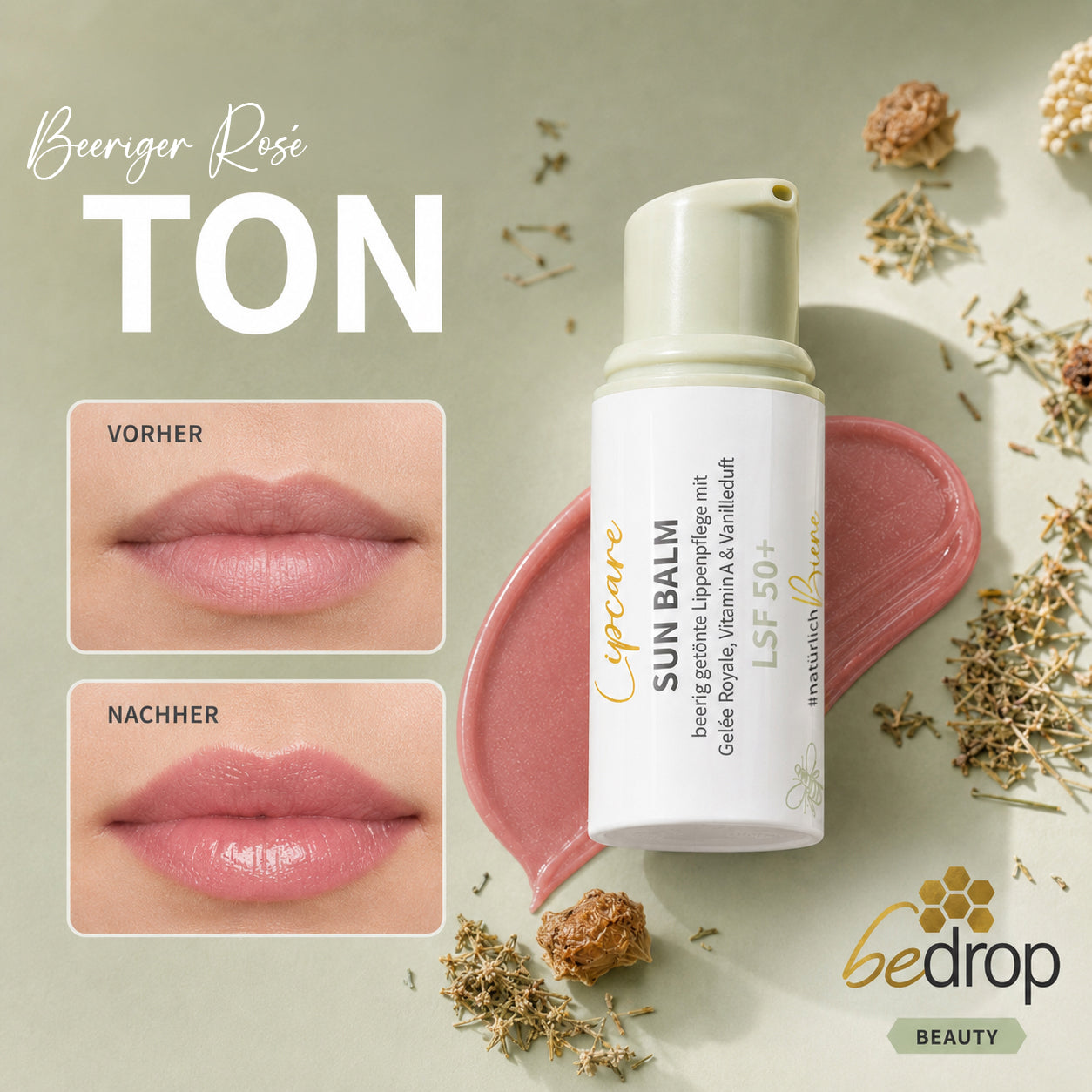
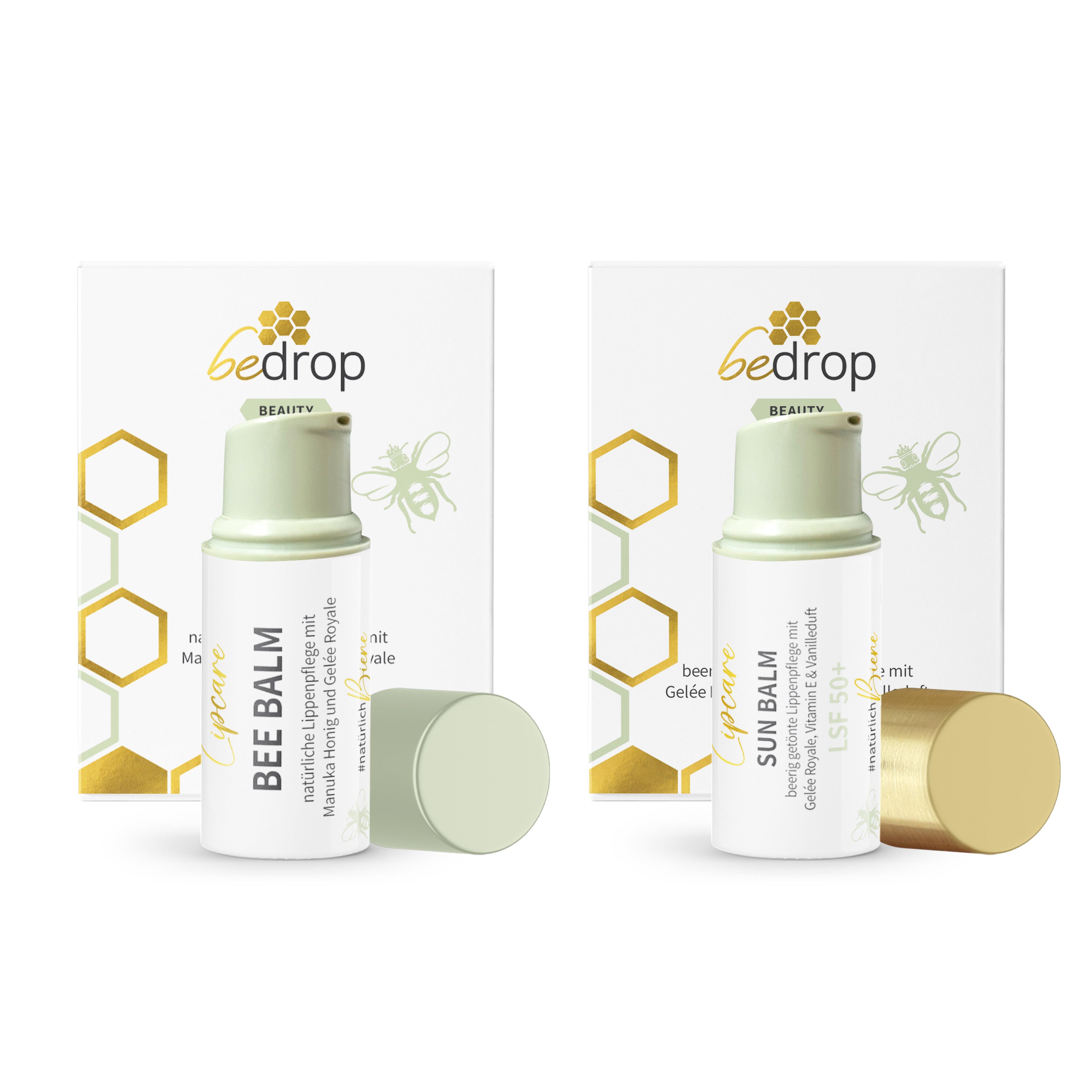
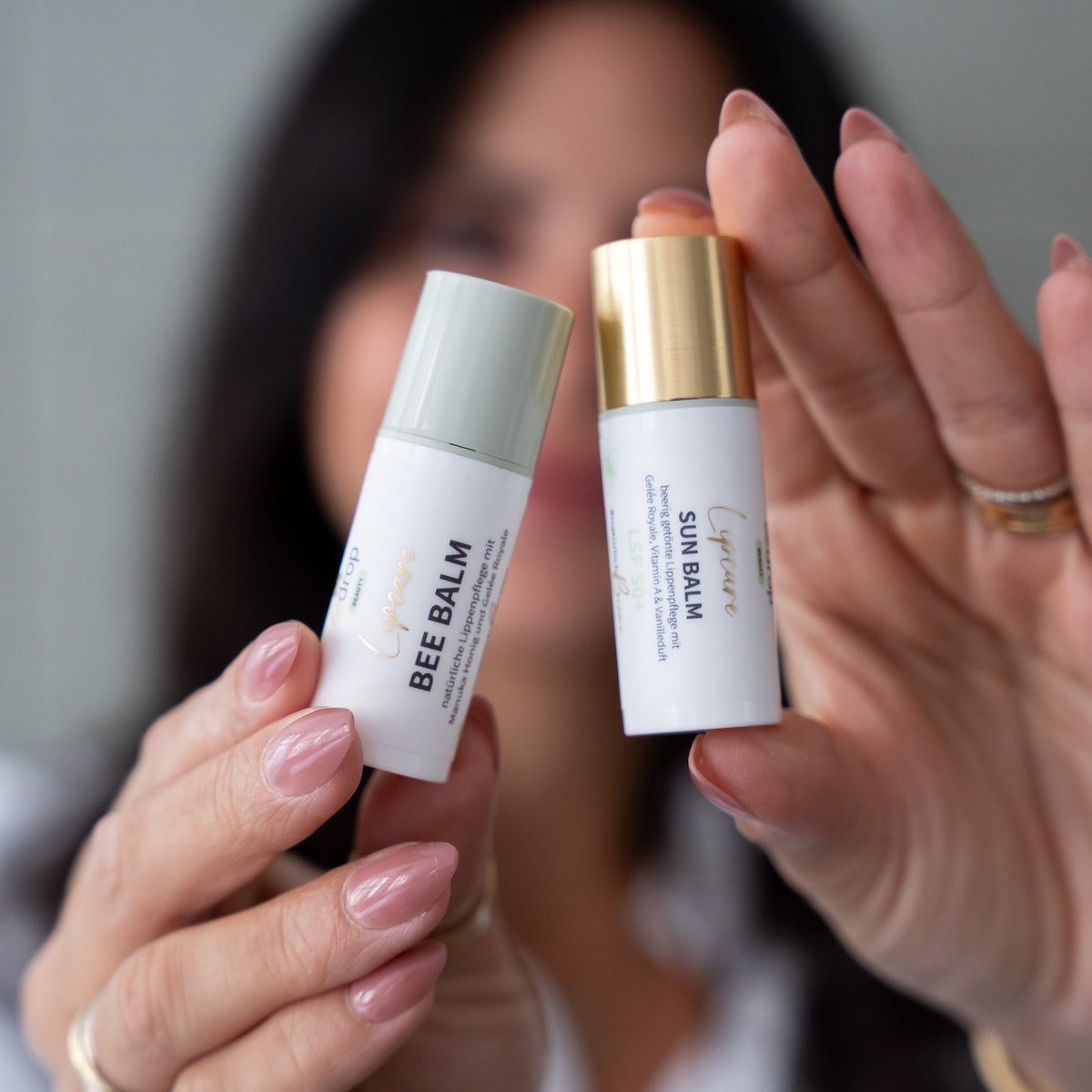
Lip care with UV protection
Lip care with UV protection
Lip care with UV protection: Bee-strong care & sun protection for your lips
Are you looking for the perfect balance of intensive care and effective protection from the sun for your sensitive lips? Then you've come to the right place in our category for lip care with UV protection.
Find out all about why your lips need special attention, how high-quality lip care with sun protection works and why you shouldn't go without this lip care in summer or winter.
Why your lips need bee-strength protection
The skin on our lips is fundamentally different from the rest of our facial skin. While our normal skin has several layers, sebaceous glands and pigments to defend itself against external environmental influences, our lips are almost defenceless against nature.
Lip skin hasno sweat or sebaceous glands that could form a protective hydrolipid film. This is also the reason why lips dry out so quickly
- dry out so quickly,
- become chapped
- or can crack.
However, a far greater problem is the lack of melanin. Melanin is the body's own pigment thatprotects the skin from harmful ultraviolet radiation from the sun and ensures a tan.
As the lips almost cannot produce melanin, they have practically no self-protection against the sun. An unprotected stay outdoors therefore leads extremely quickly to photodamage.
Special lip care with UV protection is therefore not an optional cosmetic product, but important for the health of your skin.
The subtle difference: normal lip care vs. lip care with sun protection
A classic balm is wonderful for the night or indoors, but as soon as you leave the house, different rules apply. Conventional lip balms are often based on oils and fats that cannot provide protection without integrated filters.
A dedicatedlip balm with sun protection 50 , on the other hand, contains special filters that eitherabsorb the UV rays (chemical filters) orreflect (mineral filters)¹.
Combined with moisturizing and regenerating ingredients, this creates a dual system: UV filters intercept the dangerous radiation - chemical filters absorb UV radiation and convert the energy mostly into heat, mineral filters such as zinc oxide and titanium dioxide scatter and reflect light so that both UVB and parts of the UVA spectrum are attenuated².
When choosing lip care with sun protection , you should make sure that the product protects against both UV-A- and UV-B rays (FDA, information on broadband sun protection)³.
While UV-B rays are responsible for acute sunburn, UV-A rays penetrate deeper into the skin layers and are the main cause of premature skin ageing (photoaging) and loss of collagen.
Which sun protection factor when? From the base to lip care with sun protection 50
The correct sun protection factor (SPF) depends heavily on your skin type, the time of year and your activities.
- In everyday life,
- a quick shopping trip
- or on the way to work, a medium protection factor is often sufficient.
However, as soon as you spend longer outdoors, do sports or go on vacation, the requirements for your lip care sun protection increase dramatically.
Conditions are particularly extreme by the water, on the beach, in high mountains and in the snow. Water and snow reflect UV radiation and increase its intensity many times over.
In addition, UV exposure increases by around 10 to 12 percent for every 1,000 meters of altitude. Anyone who skis in winter or goes on a mountain hike in summer exposes their lips to an enormous dose of radiation. It is therefore highly advisable to use lip care with sun protection 50.
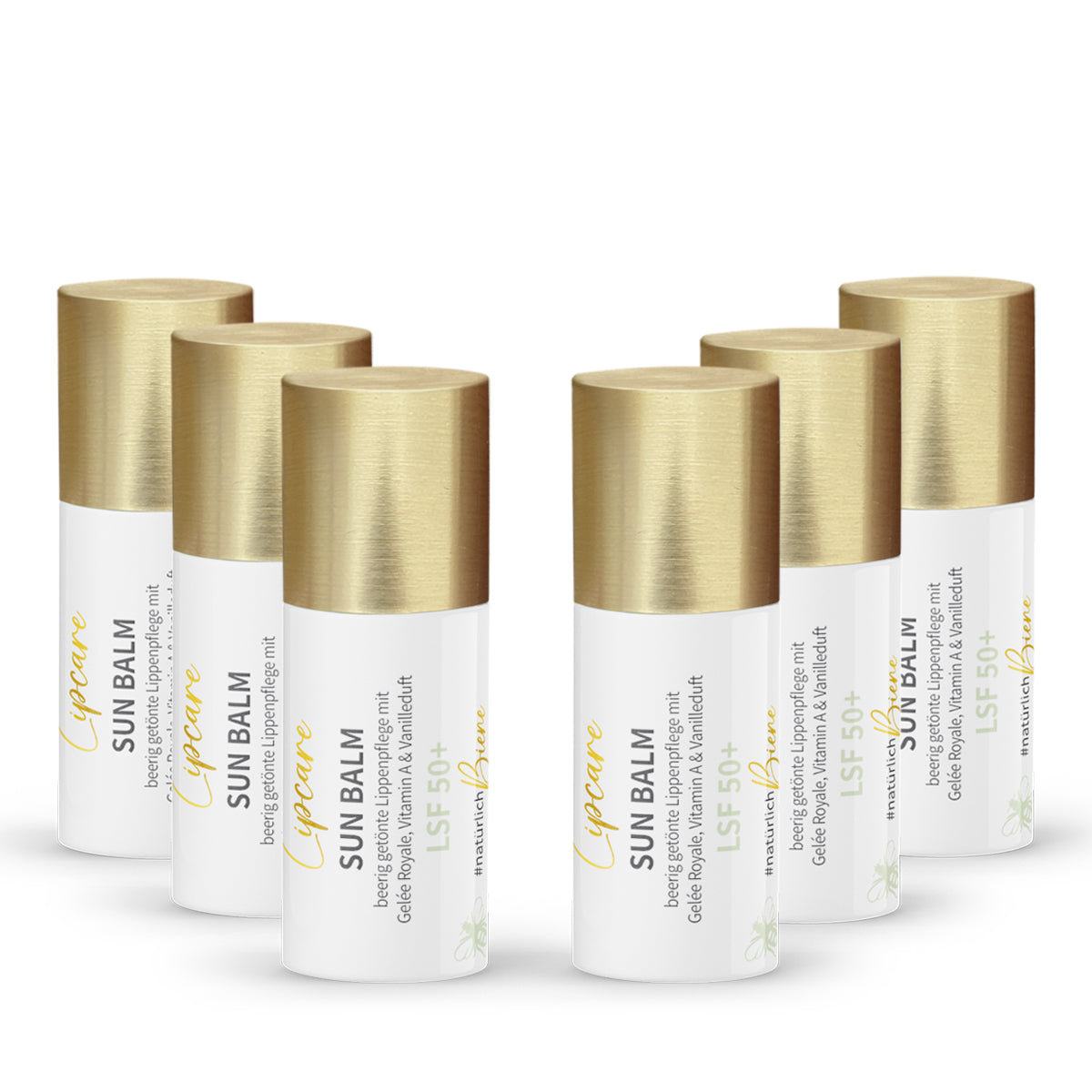
Lip care with sun protection 50 offers a high level of protection against UV-B rays and can help to support normal skin protection even for extremely sensitive lips or skin types that tend to sunburn very quickly.
As UV radiation can severely damage and dry out the skin on the lips, reliable protection is particularly important. Lip care with sun protection 50 helps to protect the natural barrier function of your lips and provides intensive care to prevent sun-related stress.
Bee-strong quality: why bedrop relies on nature
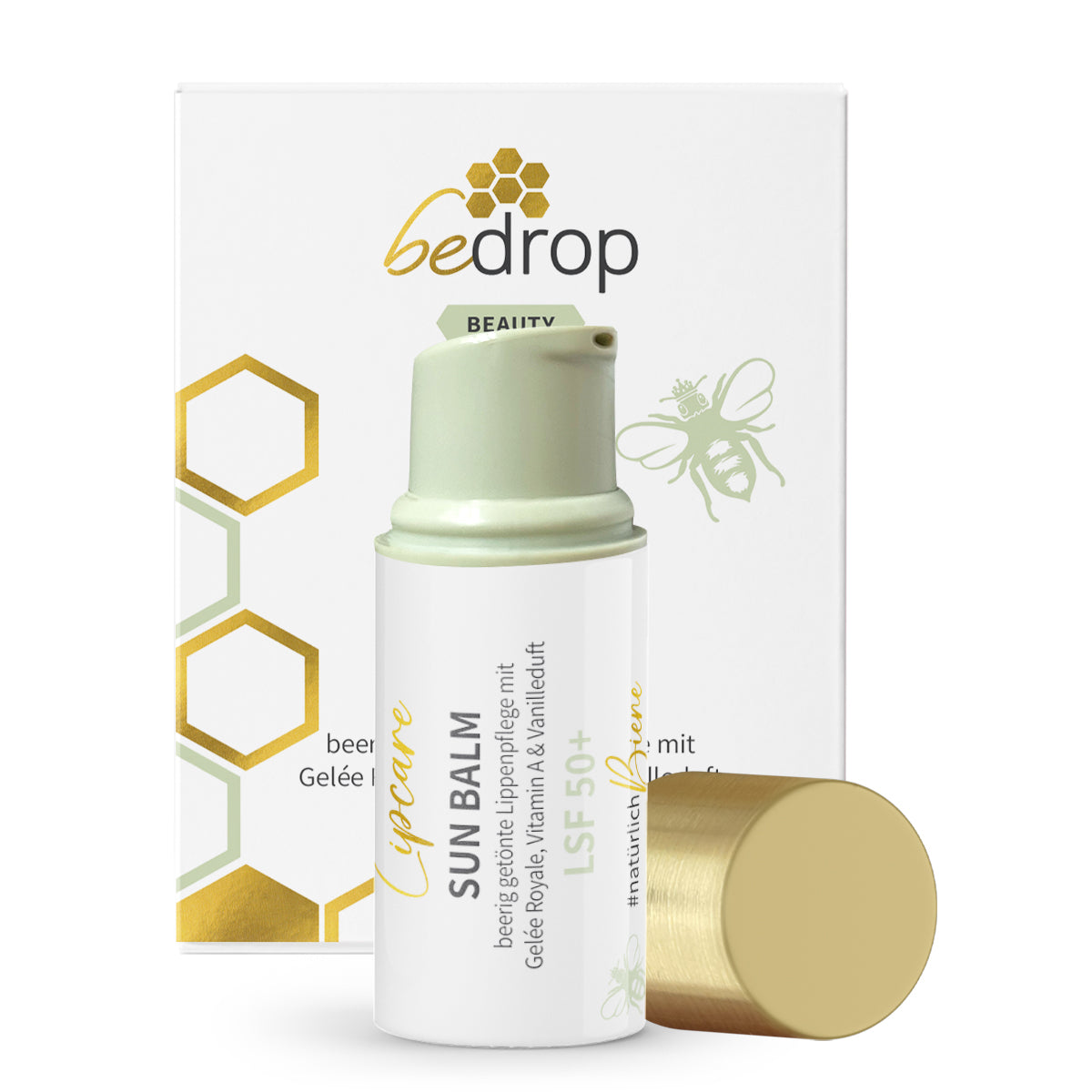
Bedrop lip care with UV protection not only blocks harmful sun rays, but also nourishes and cares for lips without being sticky.
- Beeswax (Cera Alba): Lays a breathable protective film over the skin that locks in moisture and keeps lips supple without clogging pores.
- Propolis: The natural protective resin cares for sun-stressed lips, soothes the skin and protects against external environmental influences.
- Manuka honey: Provides intensive moisture and is ideal for intensively nourishing and softening even dry lips.
How to apply your lip sunscreen correctly
- Apply in good time: It is best to apply your lip care with sunscreen around 20 to 30 minutes before you go out in the sun. This gives the protective filters enough time to spread evenly over the surface of your lips and form a stable barrier.
- Reapply regularly: Eating, drinking, talking or unconsciously moistening your lips with your tongue will wear away the protective film over time. Therefore, reapply your lip care with sunscreen at least every two hours.
- Don't forget the corners of the mouth: The sensitive corners of the mouth are often left out during application. However, this is where the skin cracks particularly quickly when it is dry and exposed to the sun.
- Protect even in the shade: UV rays are reflected by clouds, sunshades and house walls. Even on a cloudy day or in the shade, reliable lip care with UV protection is a good idea to prevent long-term photodamage.
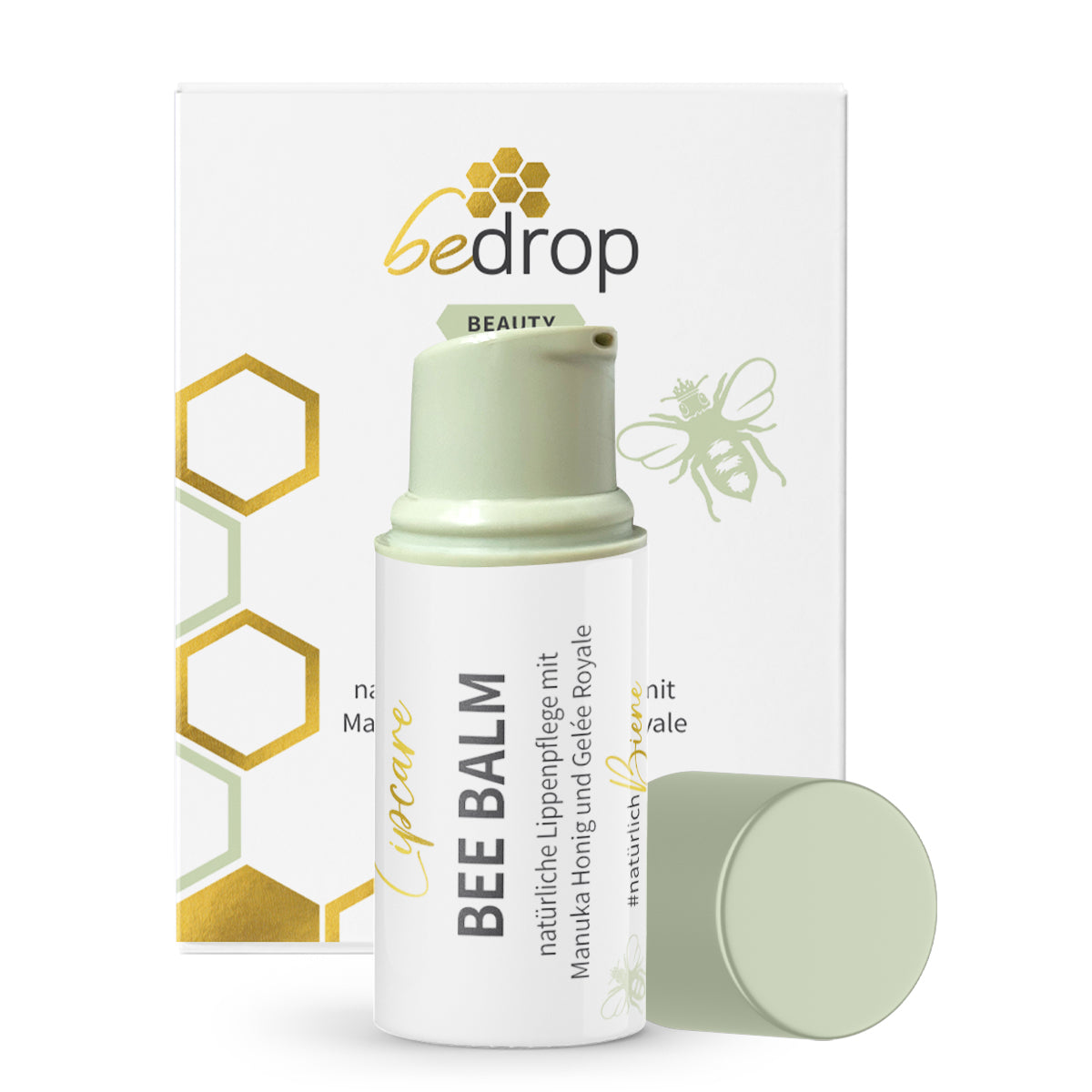
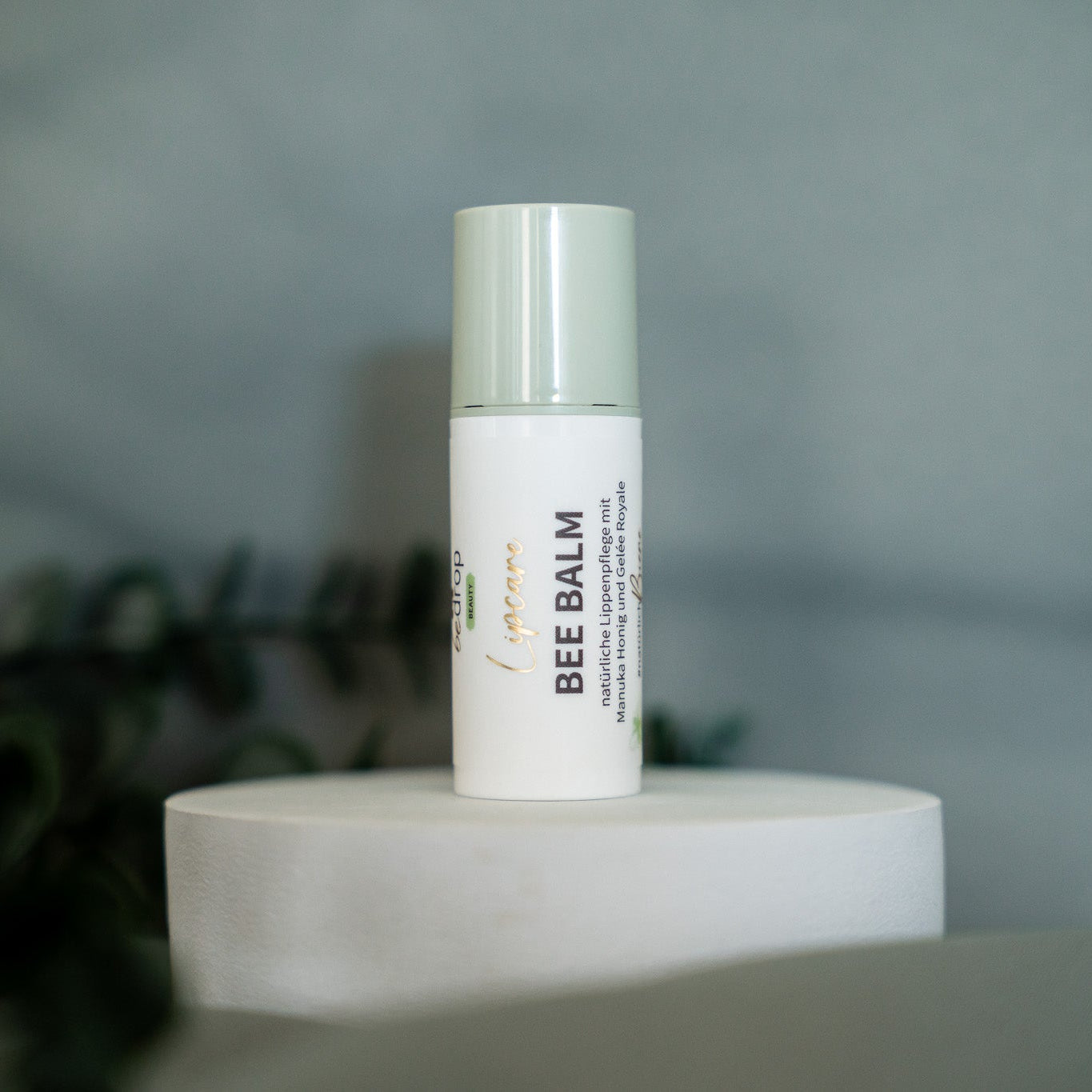
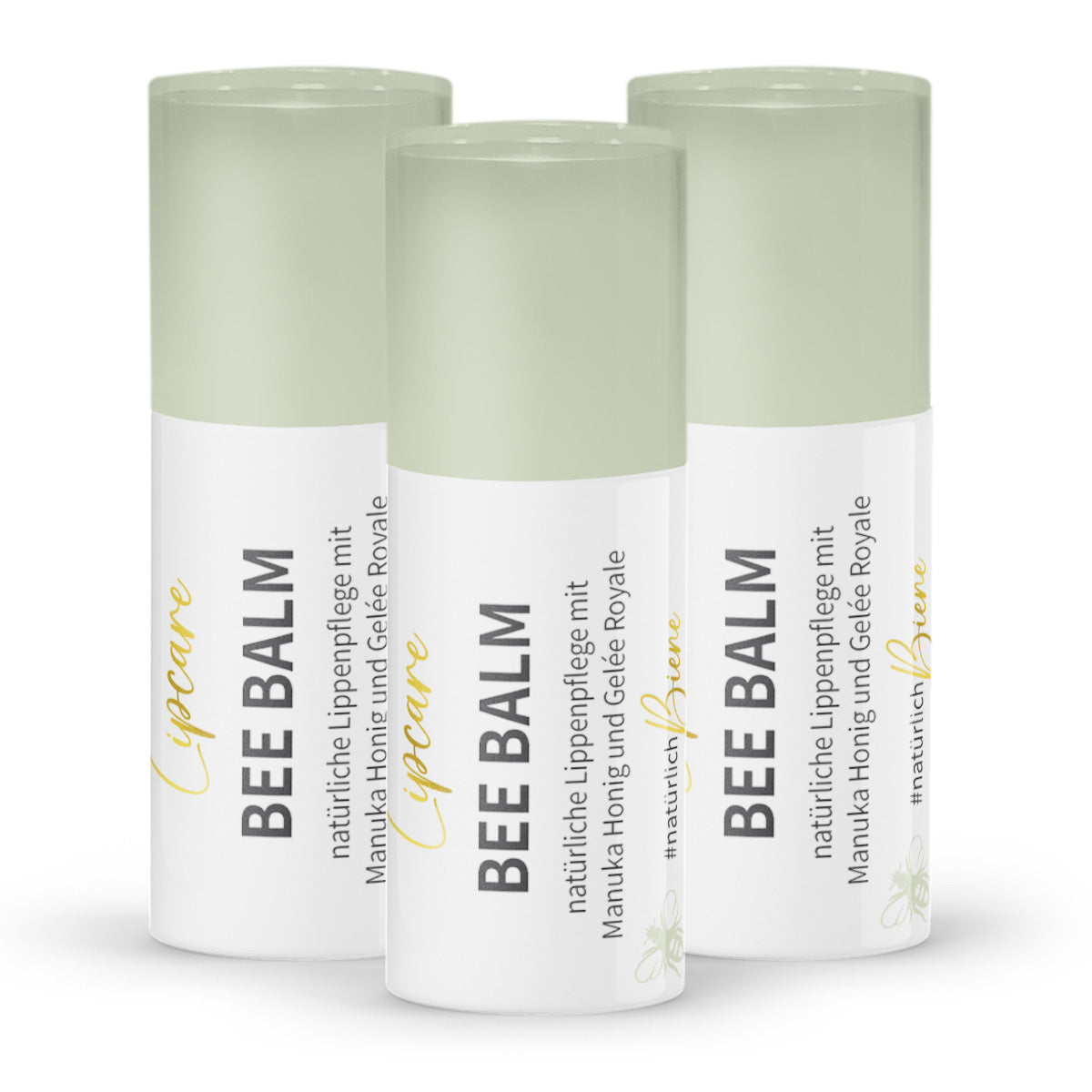
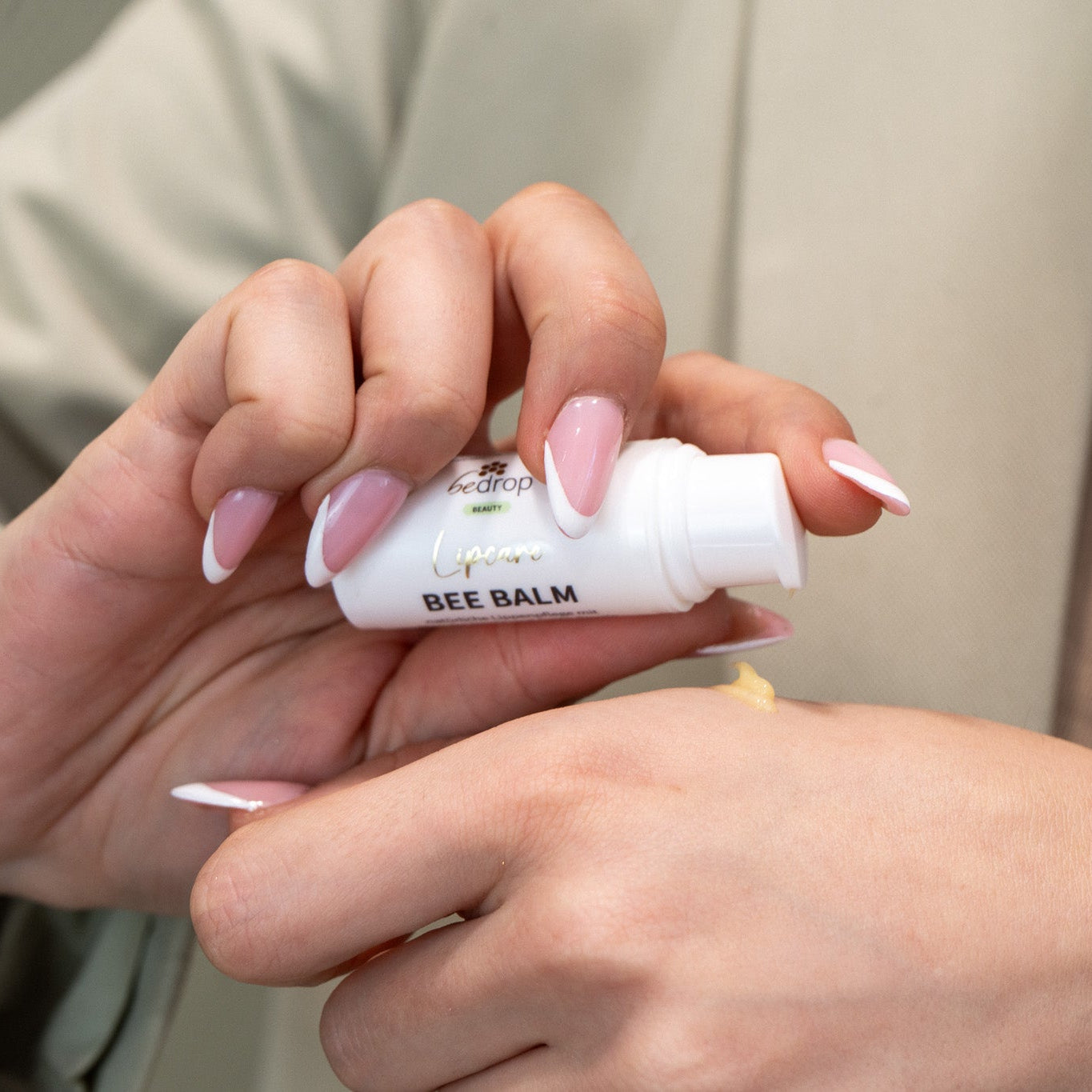
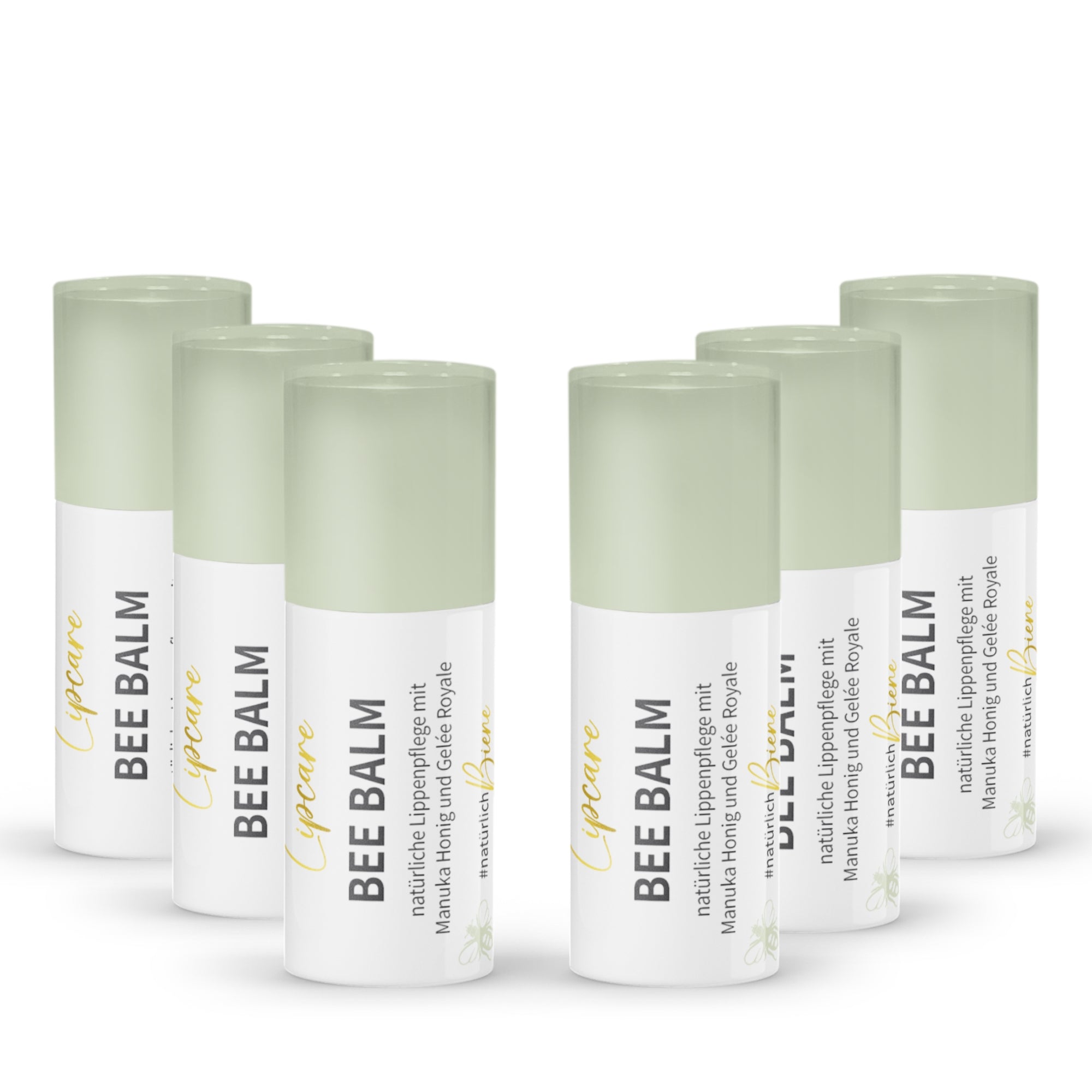
- After-sun care: If you have spent the day on the beach or in the mountains, you can treat your lips to an extra dose of care in the evening. Our bedrop Bee Balm is ideal as a rich after-sun care product for the night to support regeneration.
If you have any questions, we are happy to help.
Frequently asked questions and further information
The main purpose of a classic lip balm is to maintain the skin's moisture content and restore suppleness to chapped lips. However, it does not usually contain any UV filters. As the skin on the lips is extremely thin and has almost no melanin pigments, it cannot protect itself from UV rays. Worse still, pure fats and oils without a sun protection factor can act like a magnifying glass and even increase the risk of sunburn on the lips. Special lip care with UV protection is therefore essential when spending time outdoors.
The sun protection factor (SPF) indicates how much longer you can theoretically stay in the sun without getting sunburned compared to unprotected skin. Lip care with sun protection 50 blocks around 98 percent of harmful UV-B rays. This offers an extremely high level of protection, which is particularly necessary in high mountains, by the sea or for very fair skin types.
Yes, and very quickly and painfully. As the lips have no protection of their own worth mentioning, they are highly sensitive to intense sunlight. A lip sunburn is characterized by a strong feeling of tension, redness, heat development and swelling. In the case of severe burns, small blisters filled with fluid form. To prevent this, lip care with sun protection should be part of your daily routine.
Sunscreen on the lips wears off much faster than on the rest of the skin due to talking, drinking, eating and unconsciously licking the lips. You should therefore reapply your lip care with UV protection at least every two hours. It is advisable to reapply directly after eating or swimming in the water to maintain complete protection.
Yes, in winter protection is often even more important in the high mountains. Snow reflects up to 80 percent of UV rays, almost doubling the strain on your skin. In addition, the intensity of the radiation increases with altitude. Coupled with the icy cold and cold wind, lips dry out extremely quickly and burn at the same time. A rich lip care product with sun protection 50 based on beeswax protects your lips from freezing and drying out as well as from the aggressive high-altitude sun during your winter vacation.
Source information:
¹ https://www.skincancer.org/skin-cancer-prevention/sun-protection/sunscreen/chemical-vs-mineral/
² https://www.fda.gov/cosmetics/cosmetic-products/sunscreen
³ https://www.fda.gov/drugs/understanding-over-counter-medicines/sunscreen