




Our motivation:
Bee decline is a serious global problem. Urban growth, the use of pesticides, and the resulting loss of habitat are among the factors contributing to this issue.
We are aware of this and want to do our part. Together with you, our community, and our partner Artenglück, we are committed to protecting bees and their habitats.
“Bees are among the most important pollinators in our ecosystems—protecting them affects us all.”


Bedrop and the bees
My story & mission
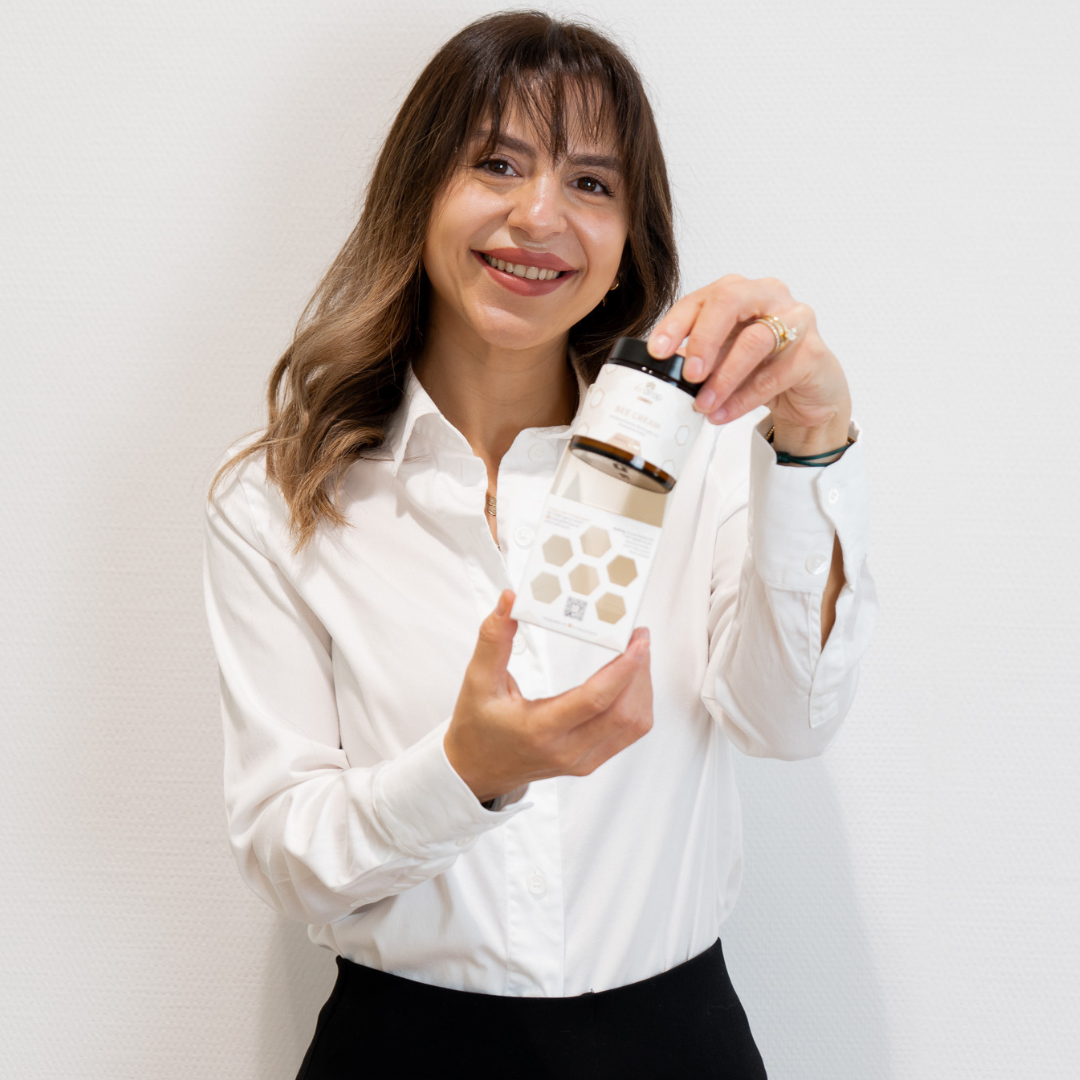
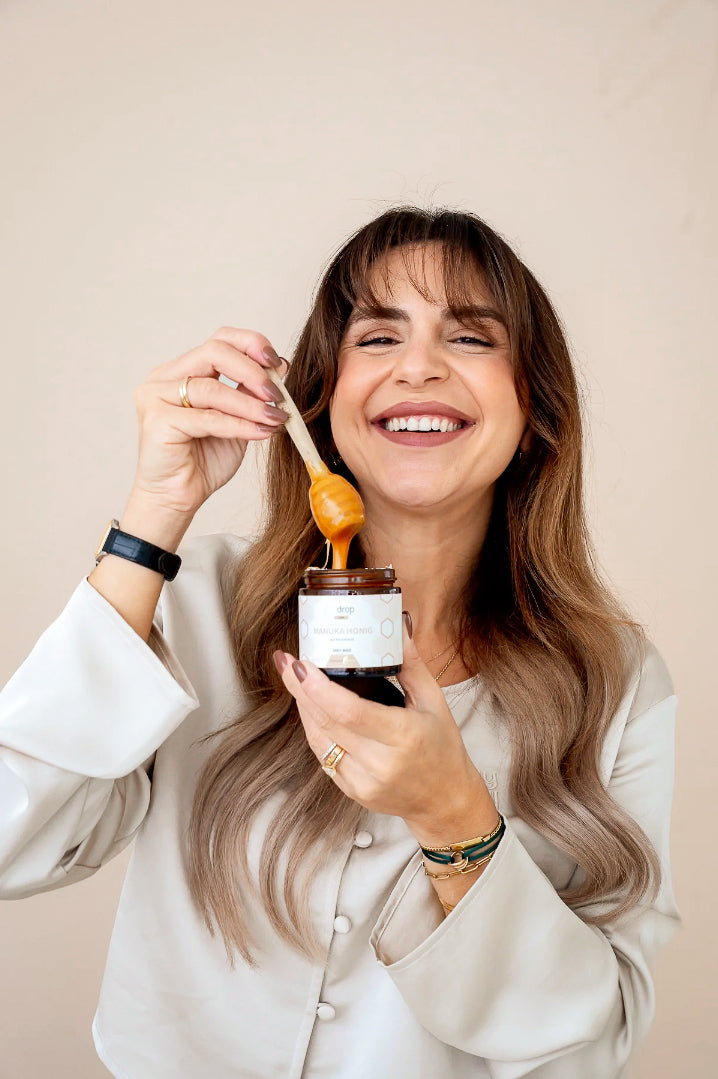
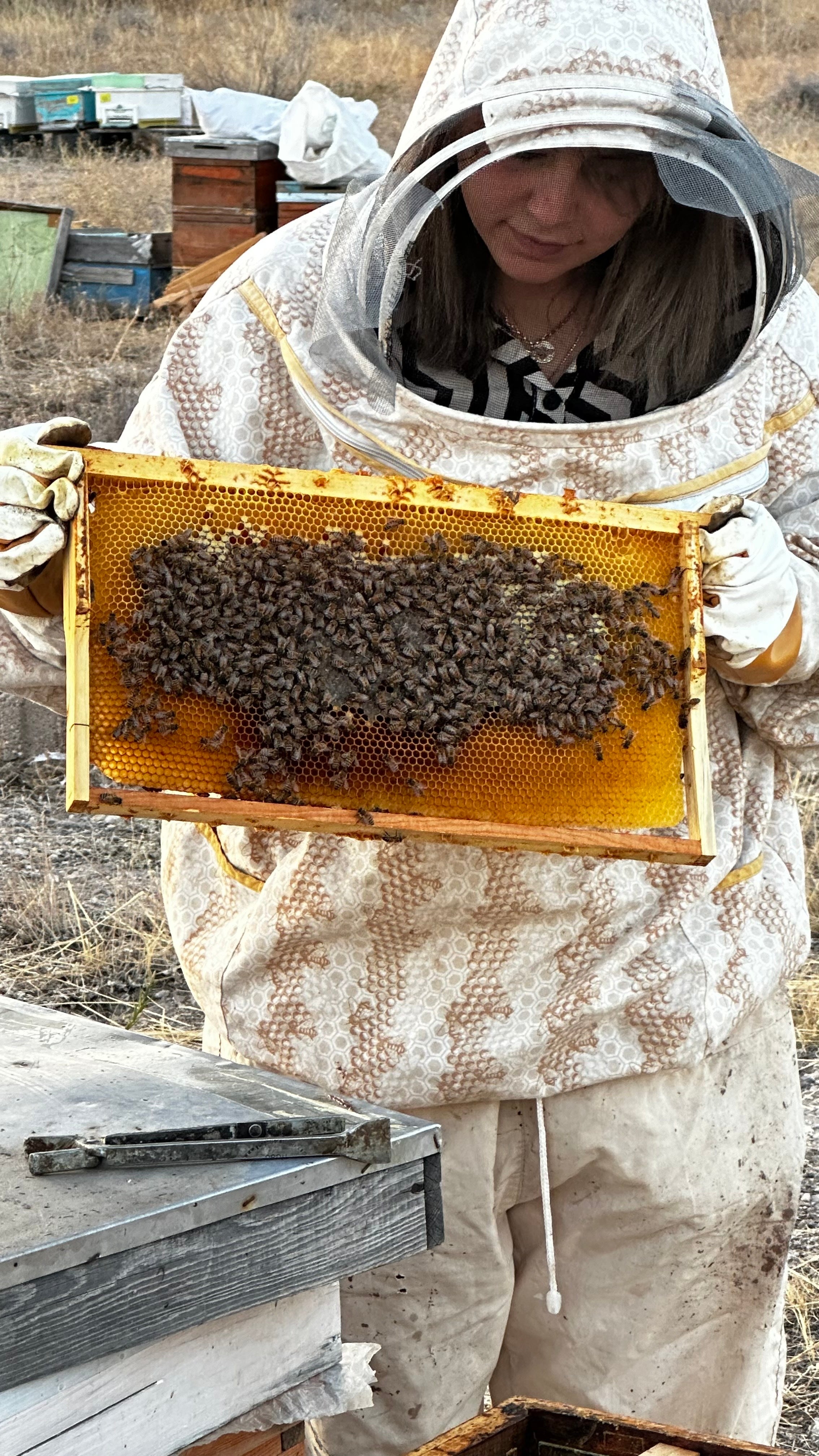
Bees and bee products have been a part of my life since childhood. My grandfather was a beekeeper, and every morning my mother would give me a teaspoon of pollen and propolis to keep me strong. That’s how I learned about bees and their incredible contributions to us and our world even as a small child.
A topic close to my heart: bee welfare and protection:
The protection and conservation of bees is a very important issue to me. We want to work toward bee welfare in many different ways. Our harvesting is carried out in accordance with the guidelines of Good Beekeeping Practice (GIP), taking into account applicable EU animal welfare standards, and in compliance with IFS-certified harvesting practices. We are committed to supporting habitats for bees and other living creatures and to contributing to biodiversity—for example, through our 5,000-square-meter flowering meadow.
It is very important to us to raise awareness about this critical issue among as many people as possible, to educate them about bee-friendly practices, and to serve as a platform for bee and species conservation.
Betül Yönak-Bein
CEO & Co-Founder
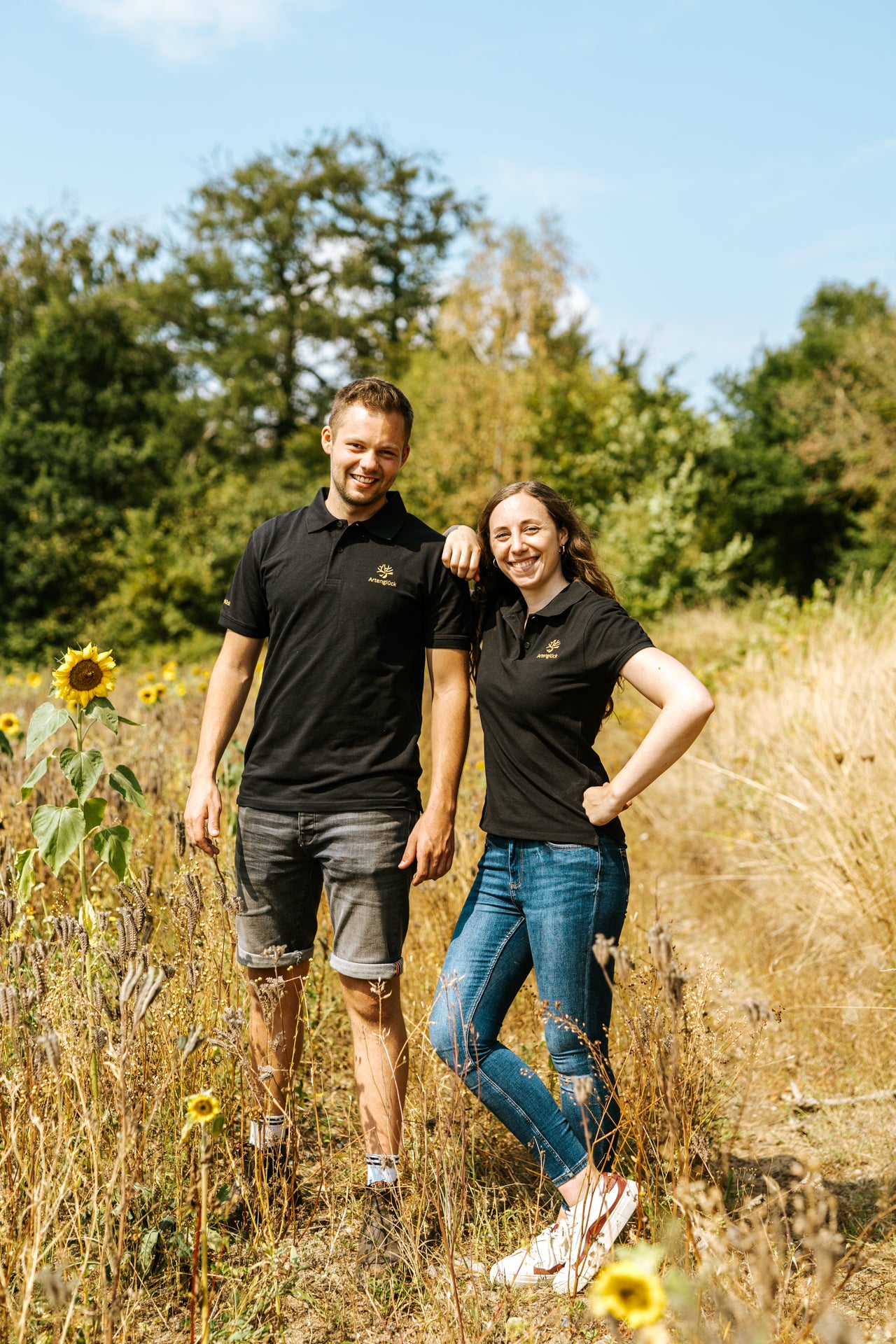
Our partners 2024
Flower meadow with Artenglück
Artenglück is committed to nature conservation in the DACH region. Through targeted measures such as establishing perennial flowering meadows, Artenglück creates food sources and habitats for bees, butterflies, and other wildlife. In cooperation with dedicated farmers, Artenglück creates, among other things, colorful flowering fields that not only look beautiful but also contribute to nature conservation. Flowering meadows provide a valuable habitat and food sources for insects—especially bees and other pollinators.
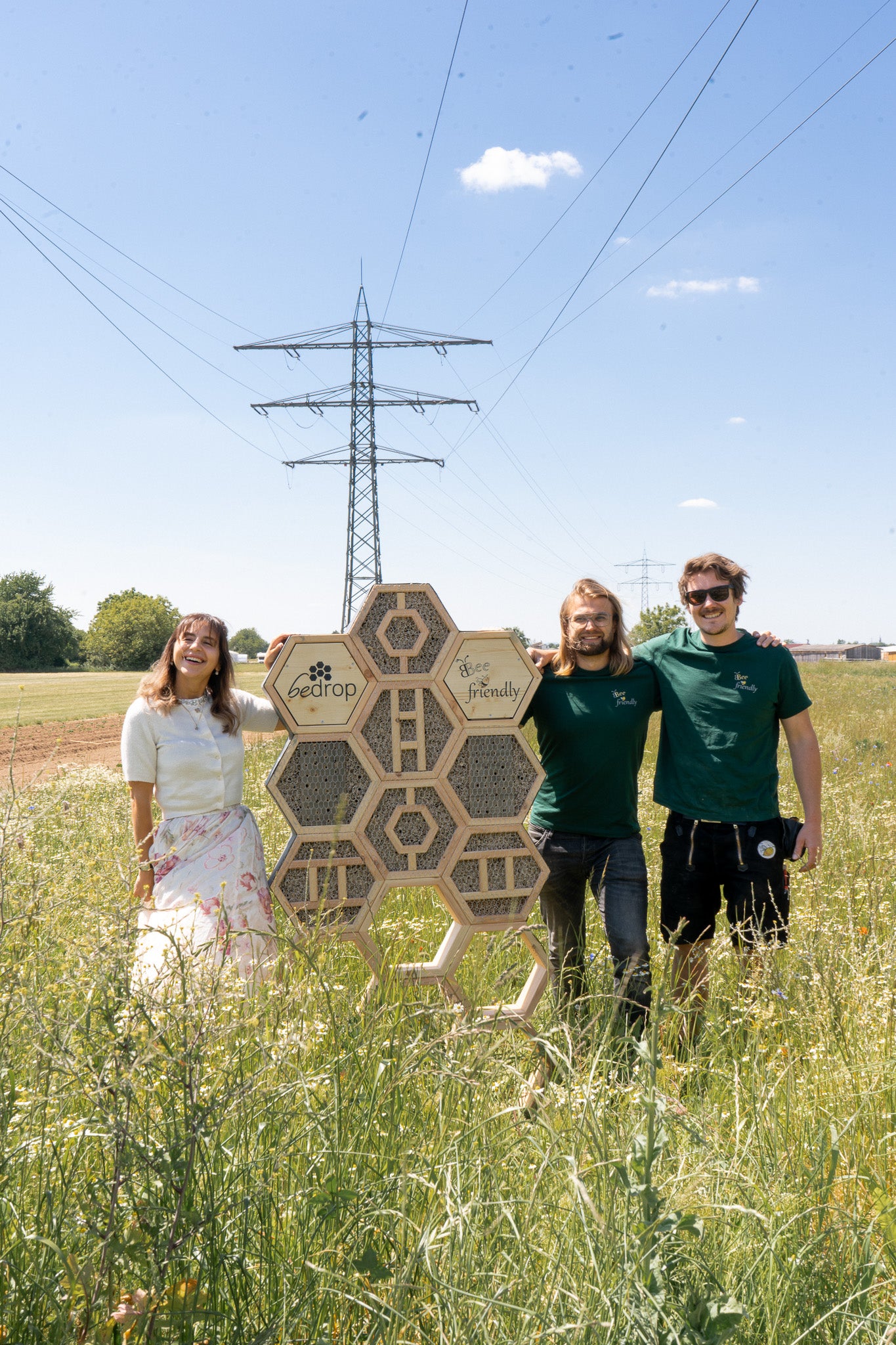
Our partner 2025
Bee hotel with Bee friendly
Bee friendly is committed to protecting biodiversity, wild bees, and their habitats—with the goal of putting data-driven conservation into practice. Under the motto “Generate knowledge. Practice conservation,” Bee friendly combines science, education, and concrete measures for species conservation.
In addition, all Bee friendly bee hotels are crafted in a species-appropriate manner at the Diakoniewerkstätten Rhein-Neckar by people with disabilities—using wood and bamboo.
2024: Kick-off flower meadow - community event
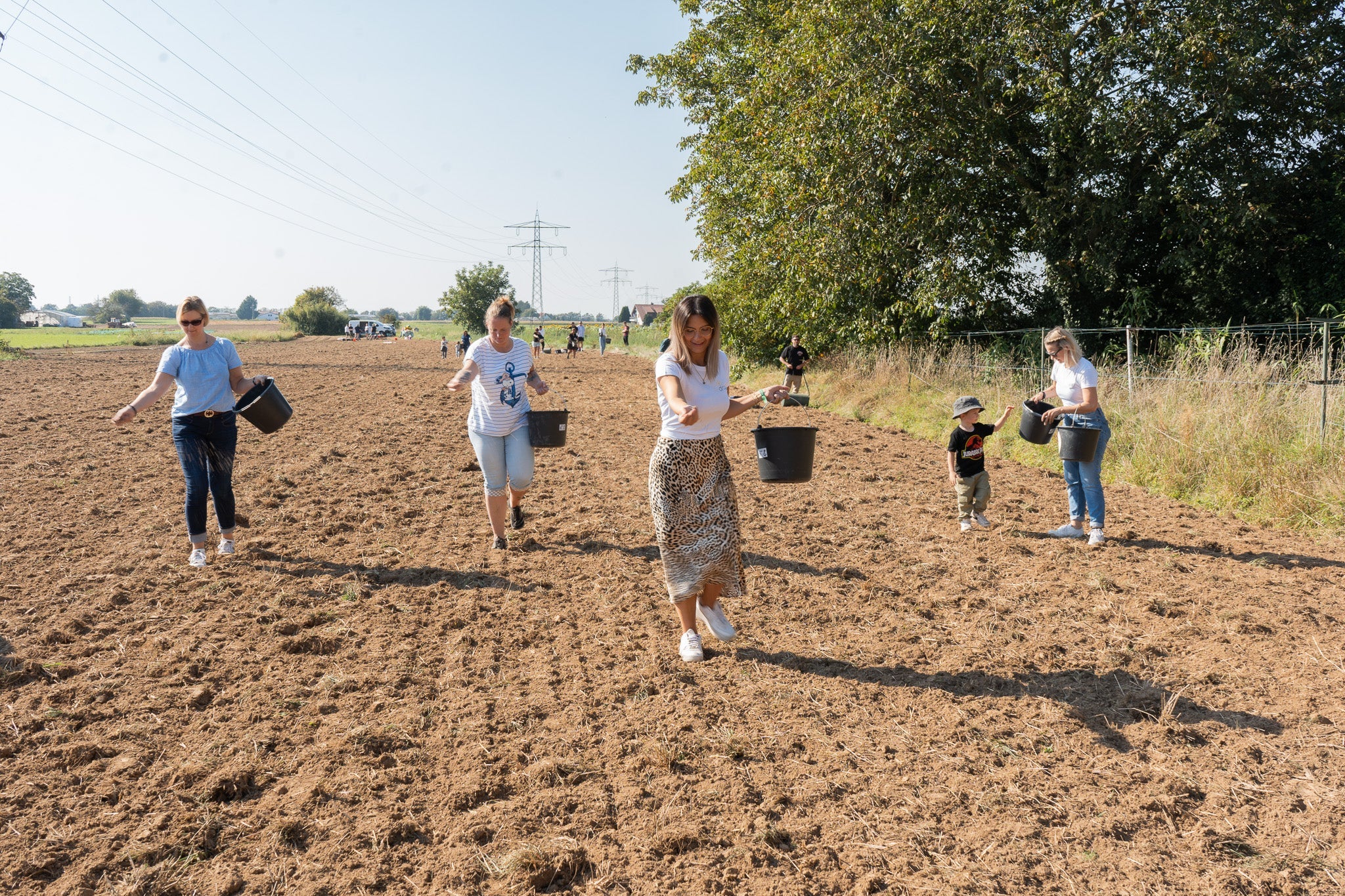
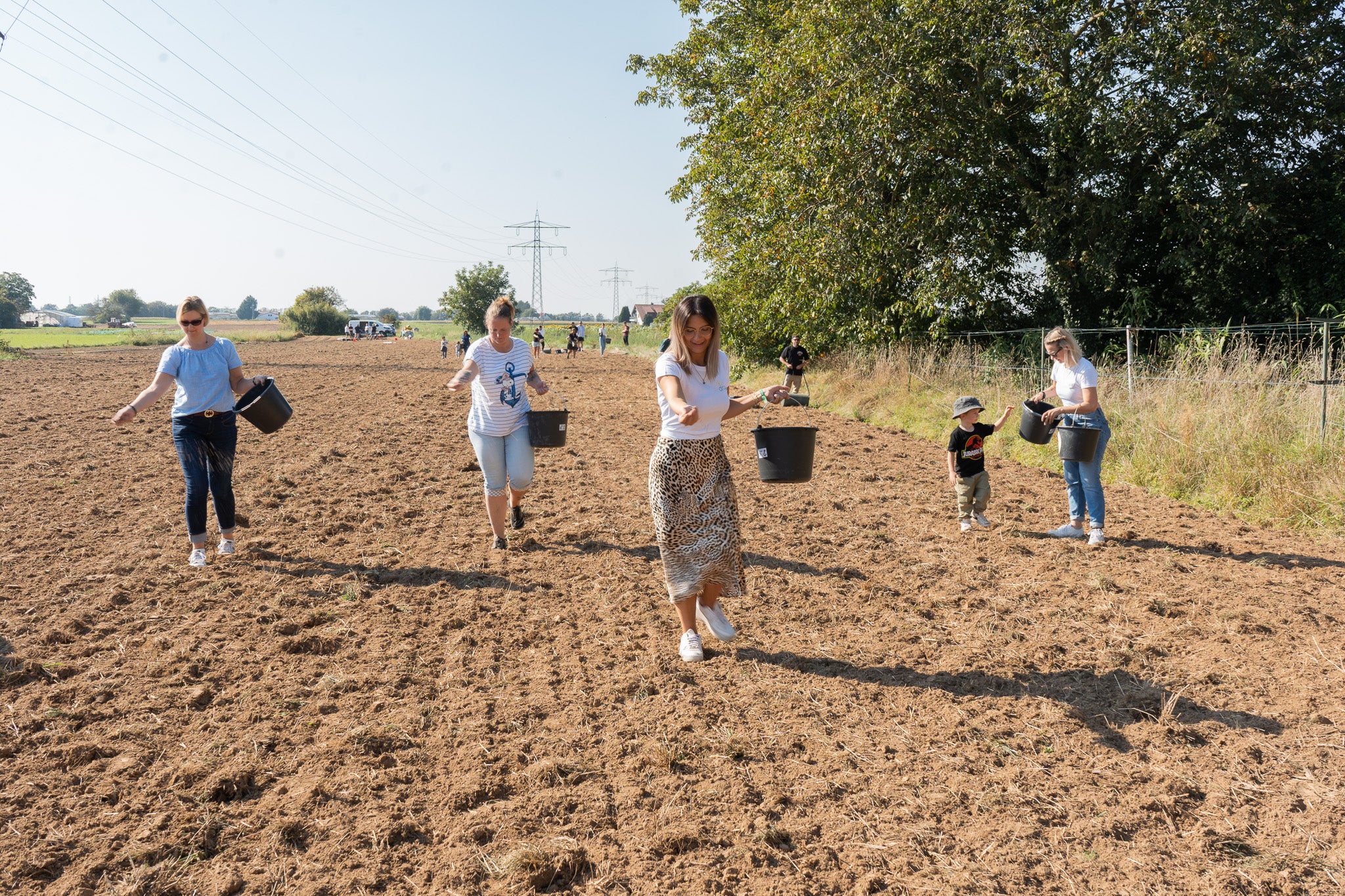
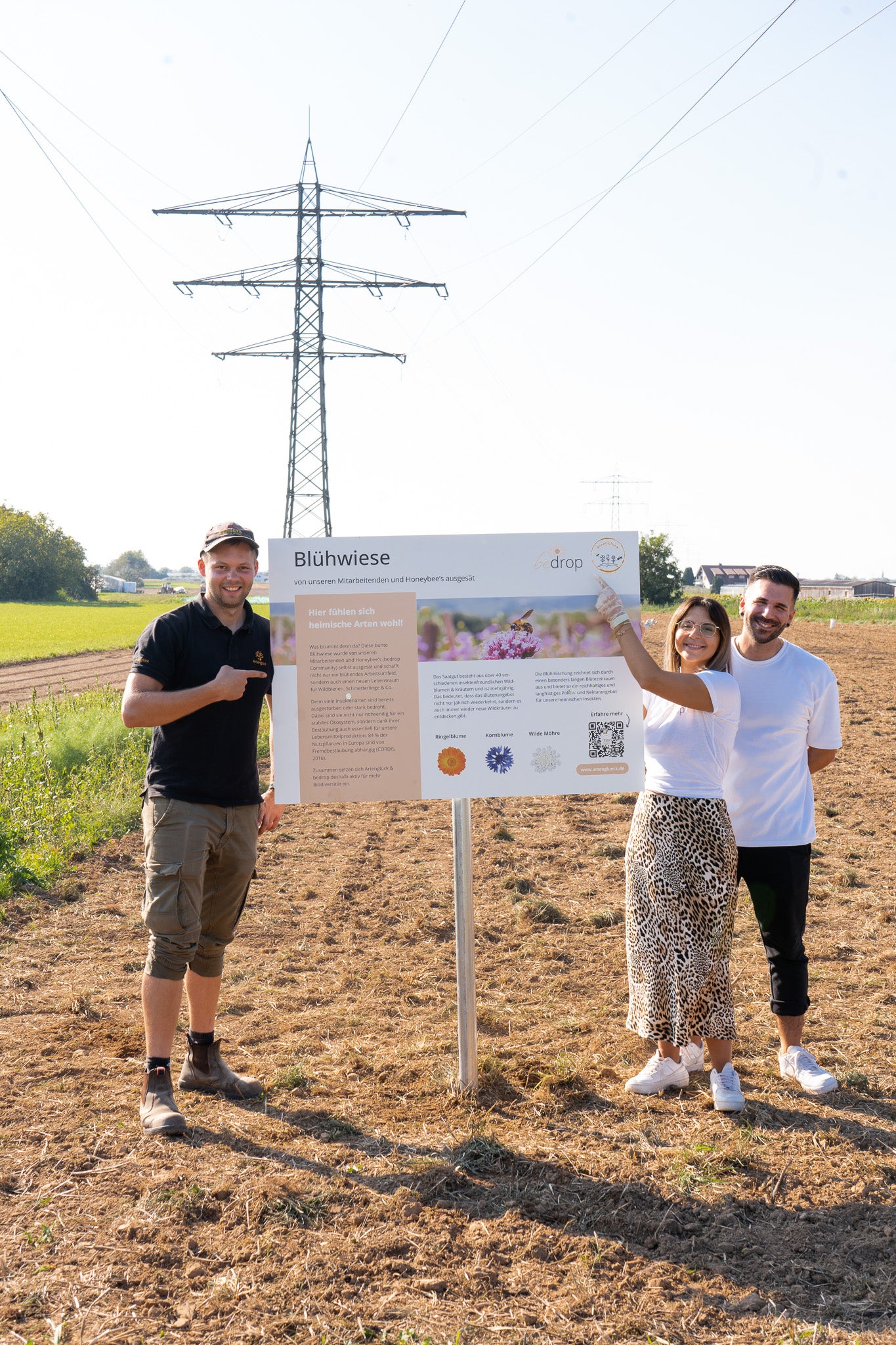
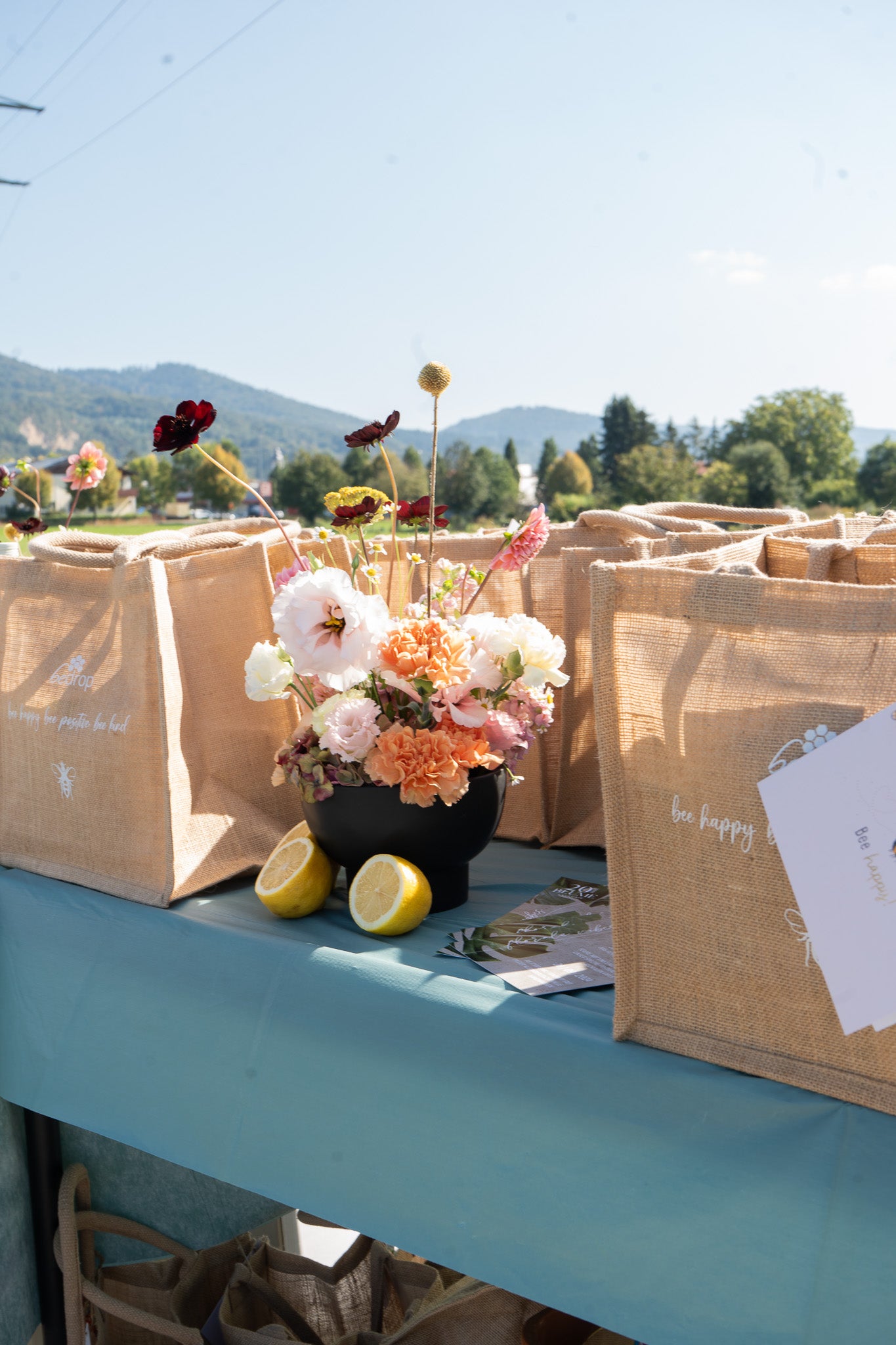
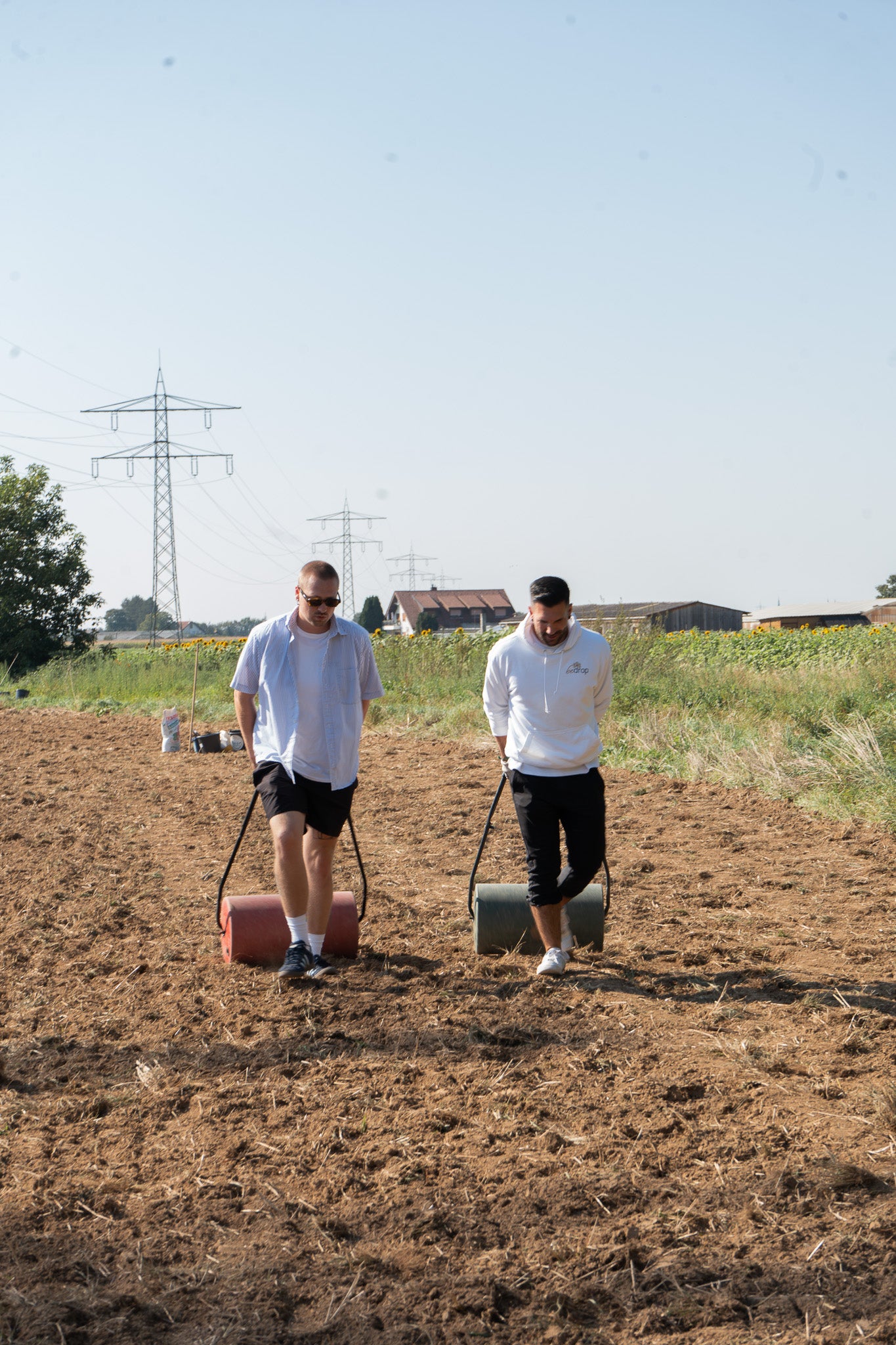
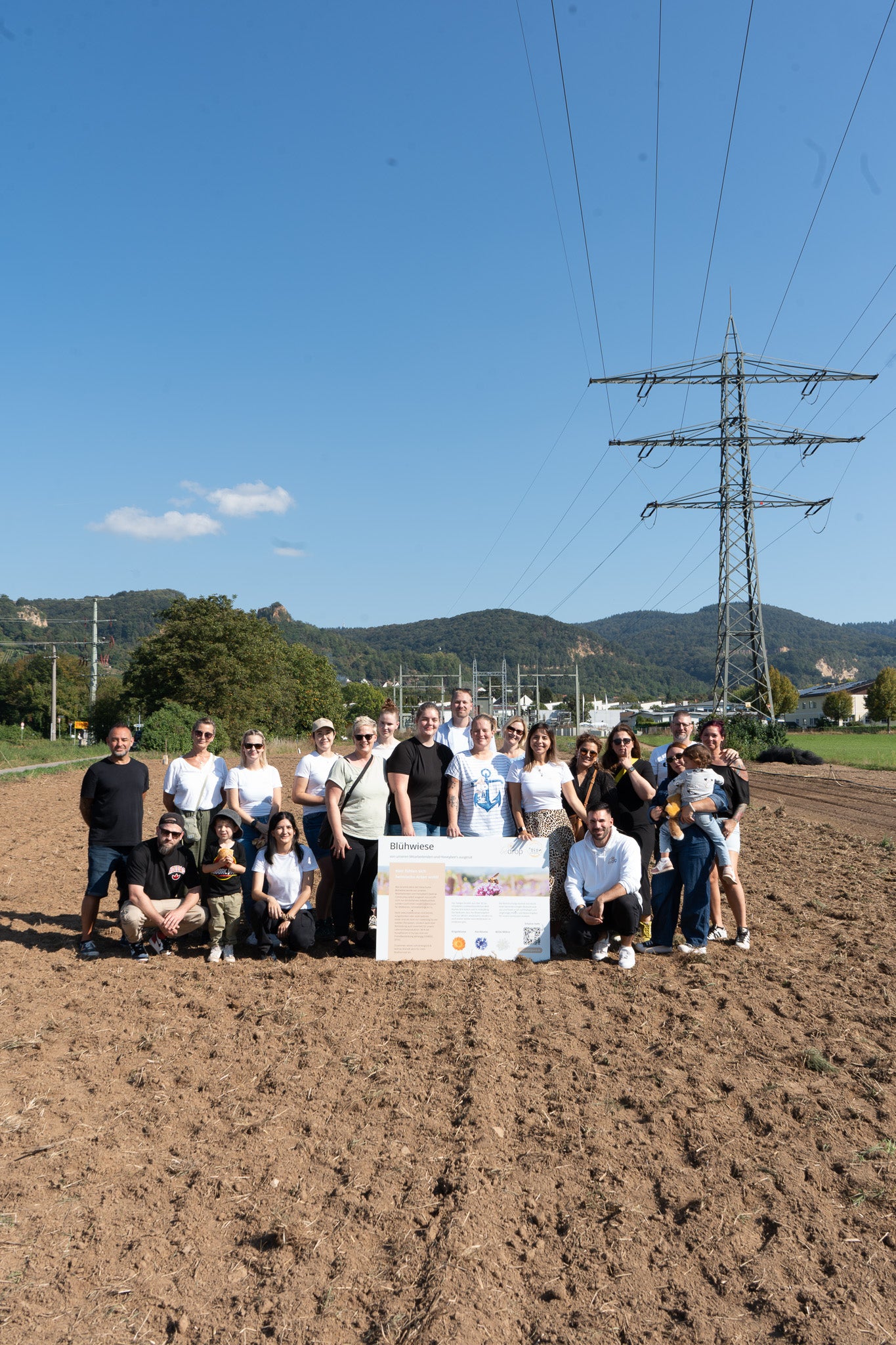
The time had finally come: On Saturday, September 21, 2024, together with our Honeybee Community and our partner Artenglück, we were able to inaugurate our labor of love and launch our bee conservation project.
On 5,000 square meters of unused farmland, we sowed seeds, hoed the soil, and rolled it. Over the coming months and years, a flowering meadow will take shape here, serving as a habitat for bees and other insects and contributing to regional biodiversity.
We’d love for you to follow along as it grows!
2025: More bee protection with a bee hotel
May 20 was World Bee Day!
A day when we made a promise together: We wanted to launch a new bee conservation project.
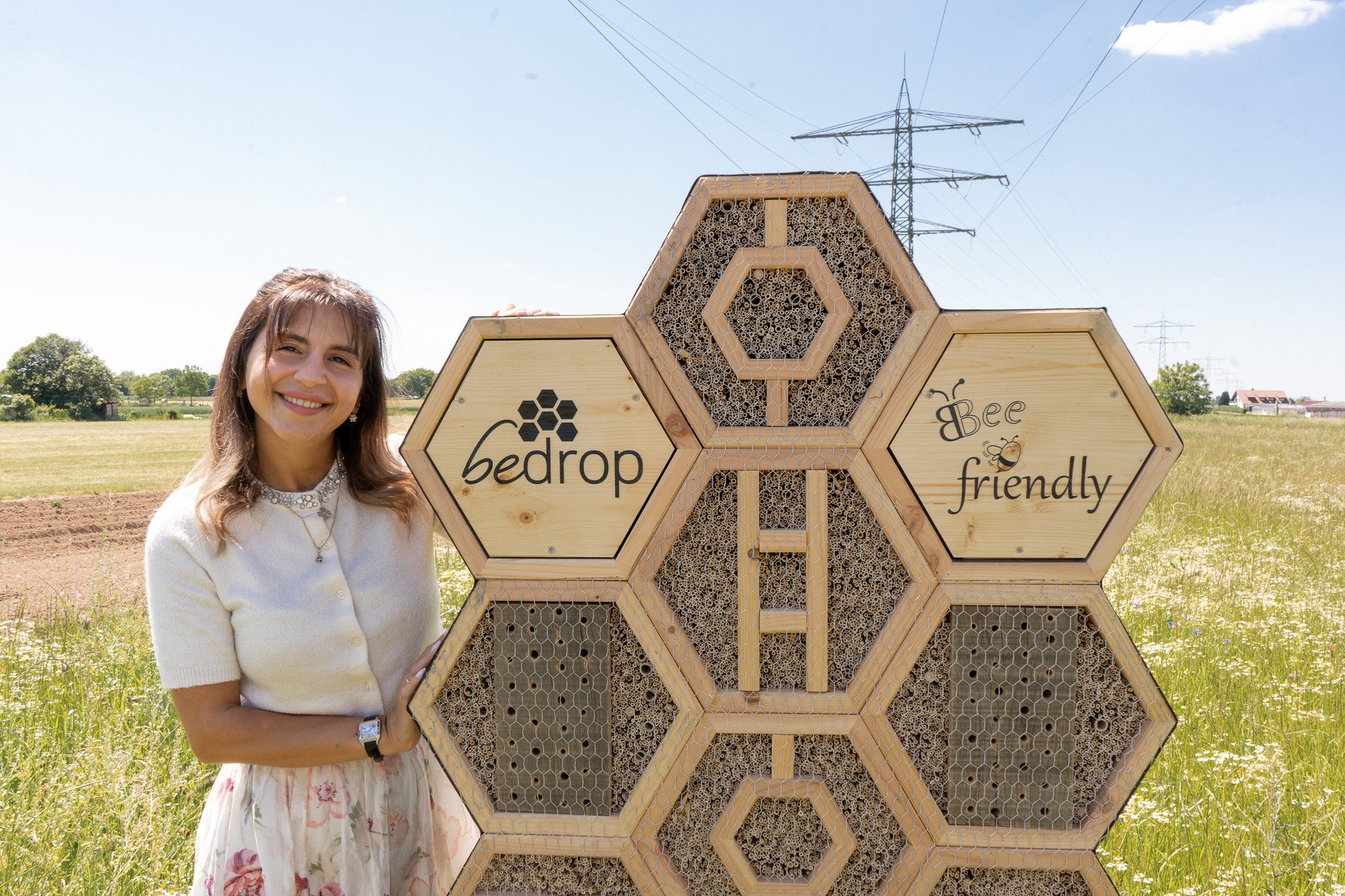
Together with Bee Friendly and our community, we’ve brought another project close to our hearts to life: a lovingly designed bee hotel that offers wild bees a safe home.
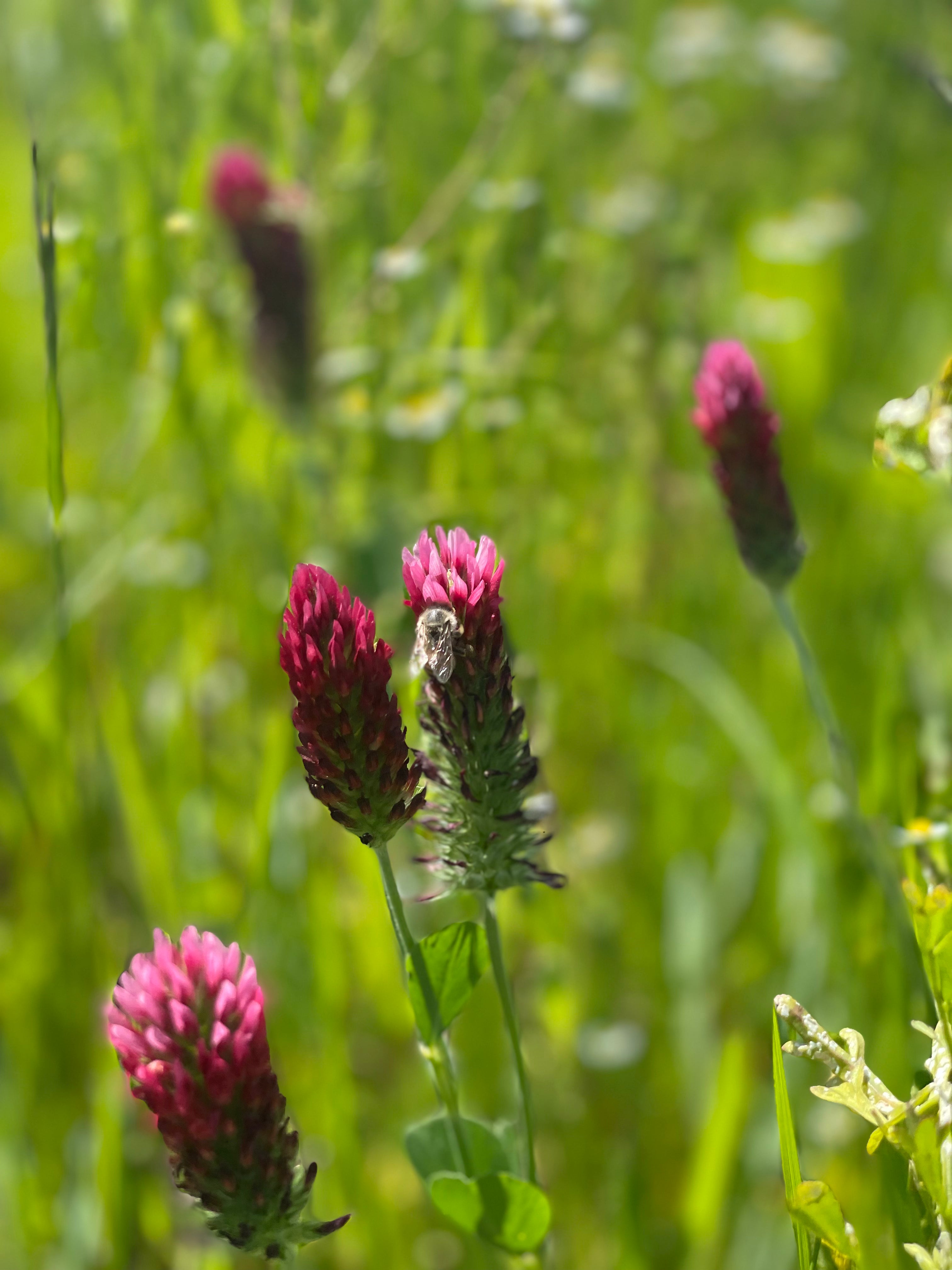
The new bee hotel is located on our flowering meadow, which is in full bloom. Now our little helpers can find not only food but also shelter for their important work as pollinators.
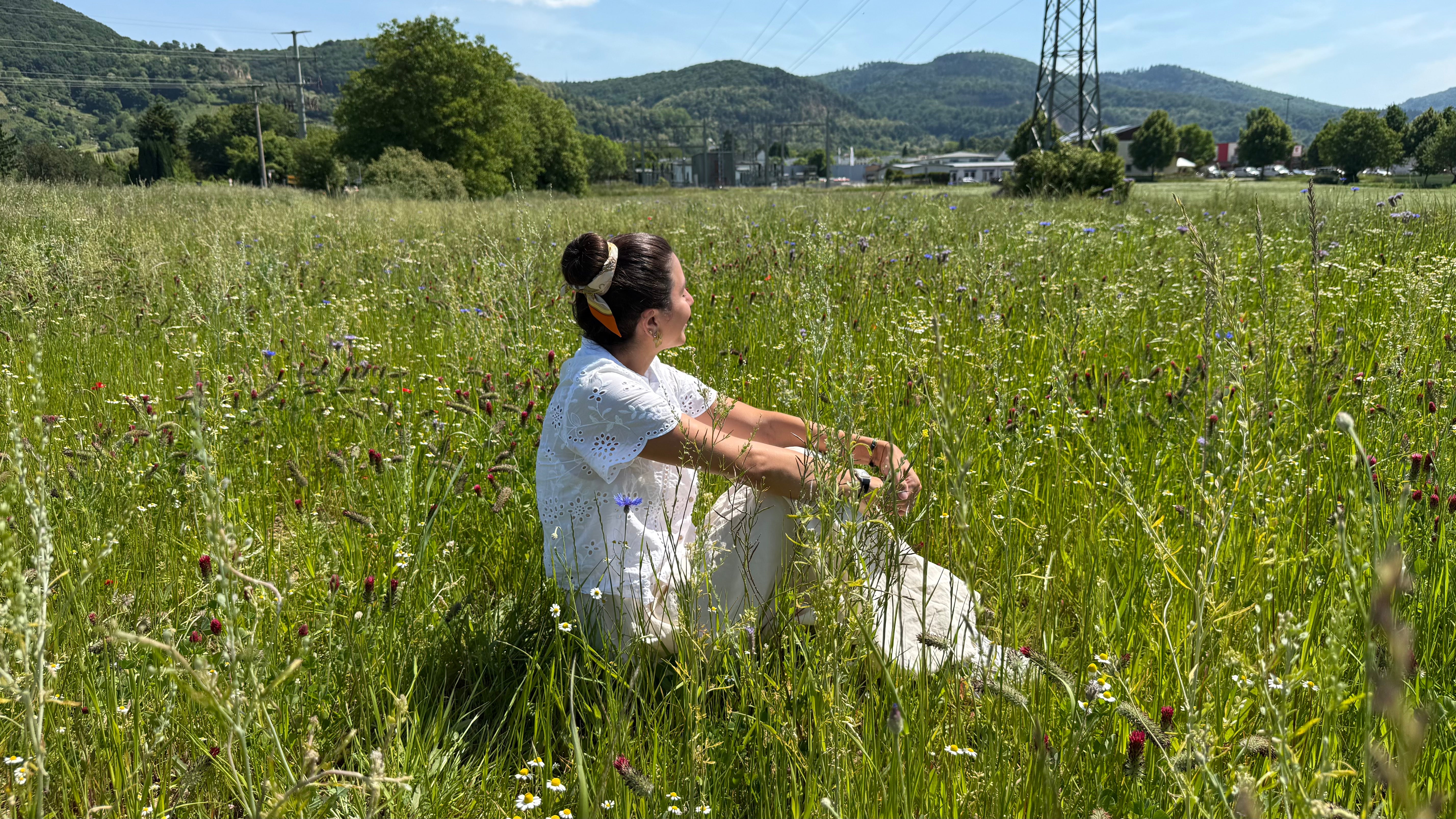
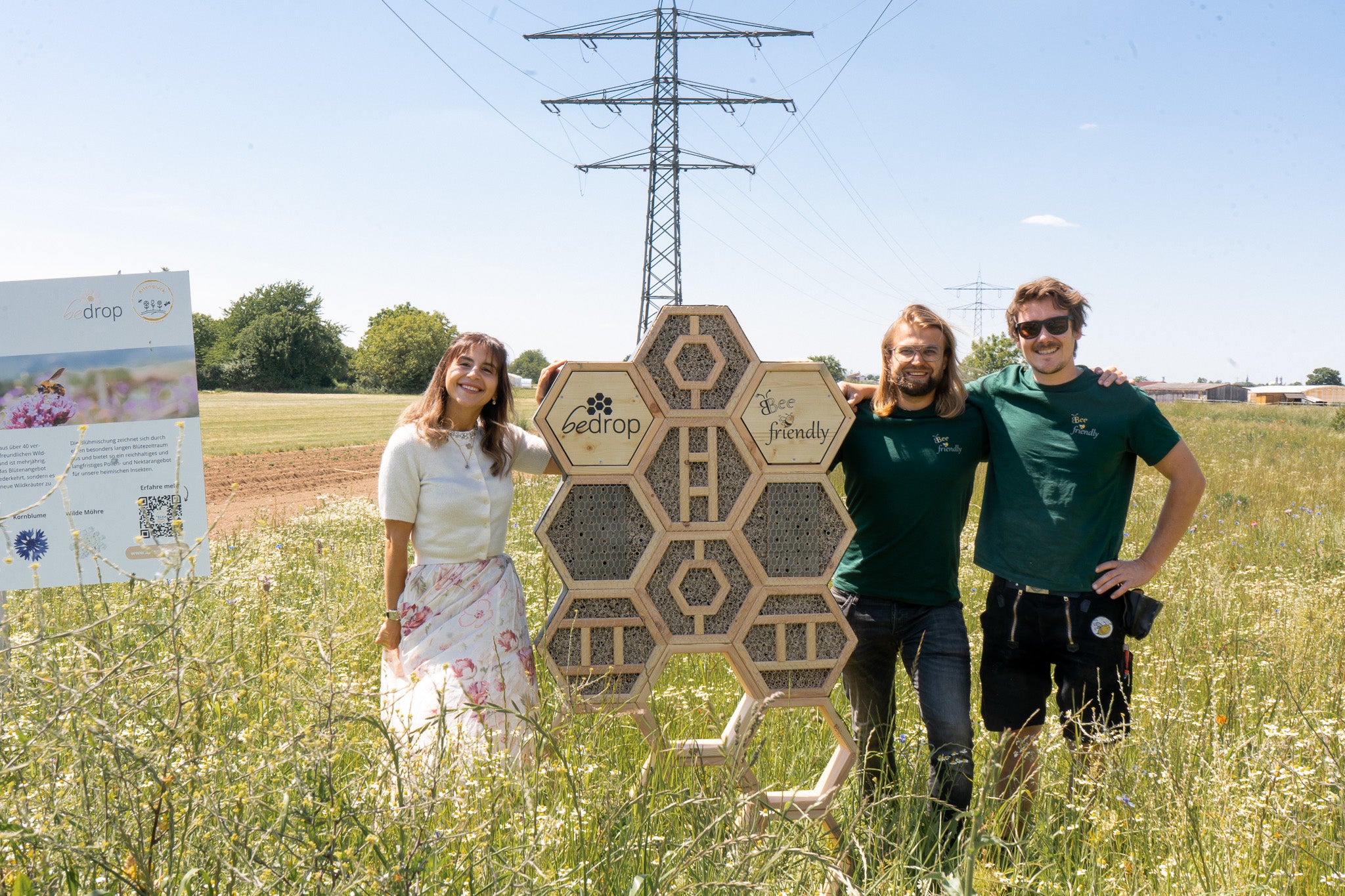
You can visit our wildflower meadow & bee hotel at any time:
This is how you can help in everyday bee life
Tips to support bees
We all know how hard bees work and how much we benefit from them. To support their busy lives and help the little helpers, we have 3 simple tips for you:
1. Plant wild meadows and native flowers — this creates new habitats for our little helpers.
2. Provide water stations — ideally a shallow plate or container so the animals can easily refresh themselves.
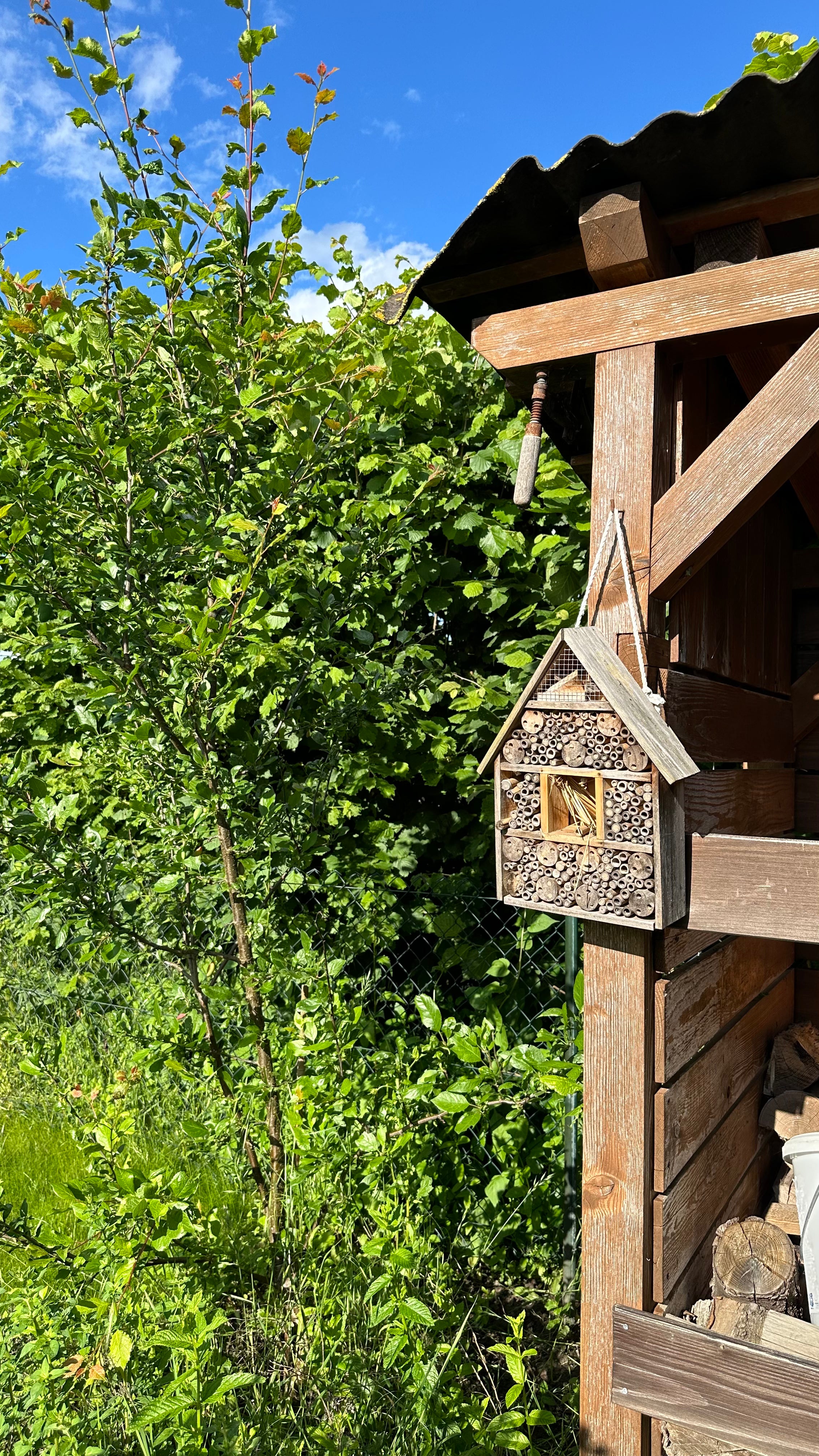
3. Set up or build insect or bee hotels to give bees a home or retreat.
Contact
Have more questions? — Contact us.
Would you like to learn more about our nature conservation project? Do you have questions about bees or bee decline? Would you like to learn more about us and our partner Artenglück, or do you have other questions?
Feel free to write to us—we’d be happy to help you with any topic.