






Filters

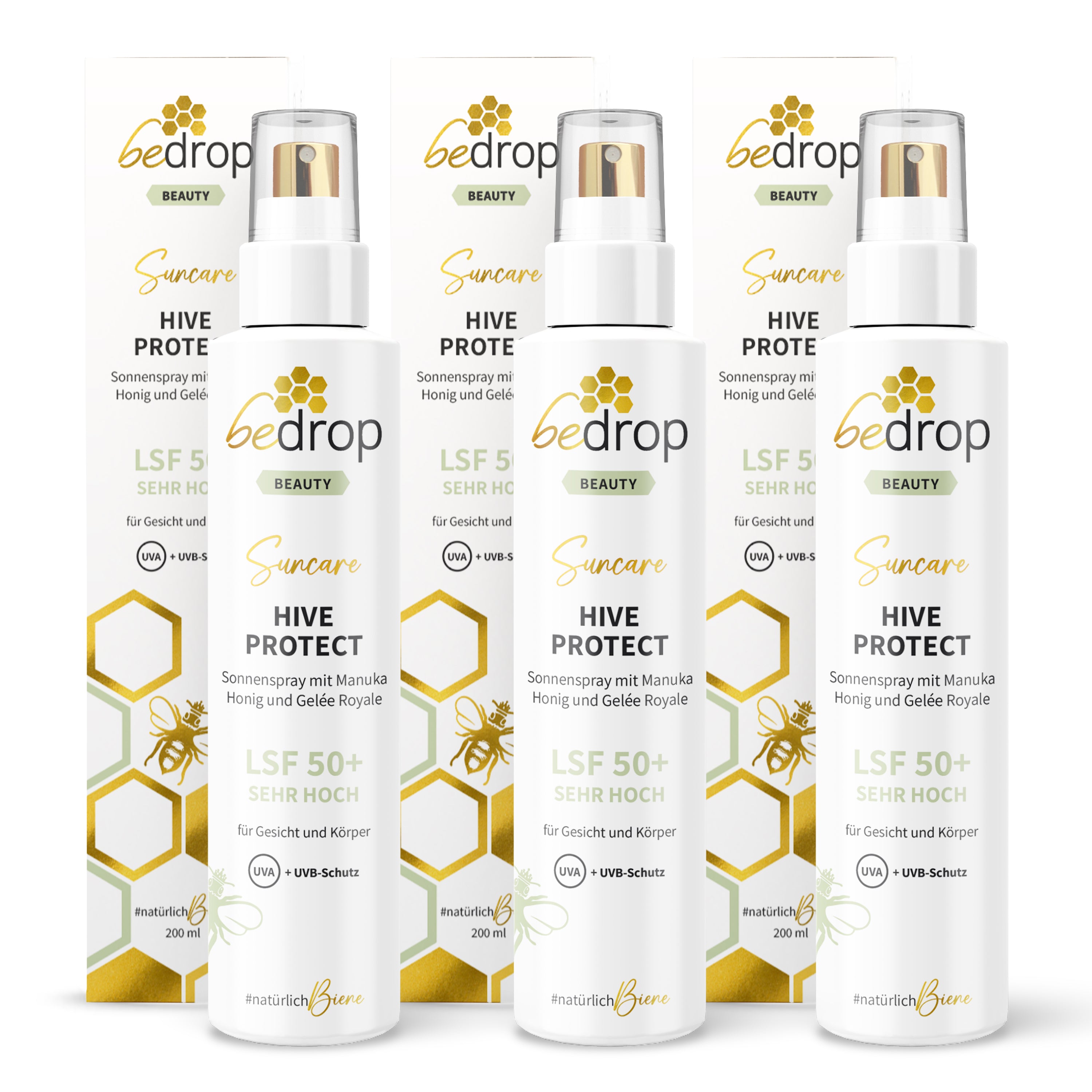
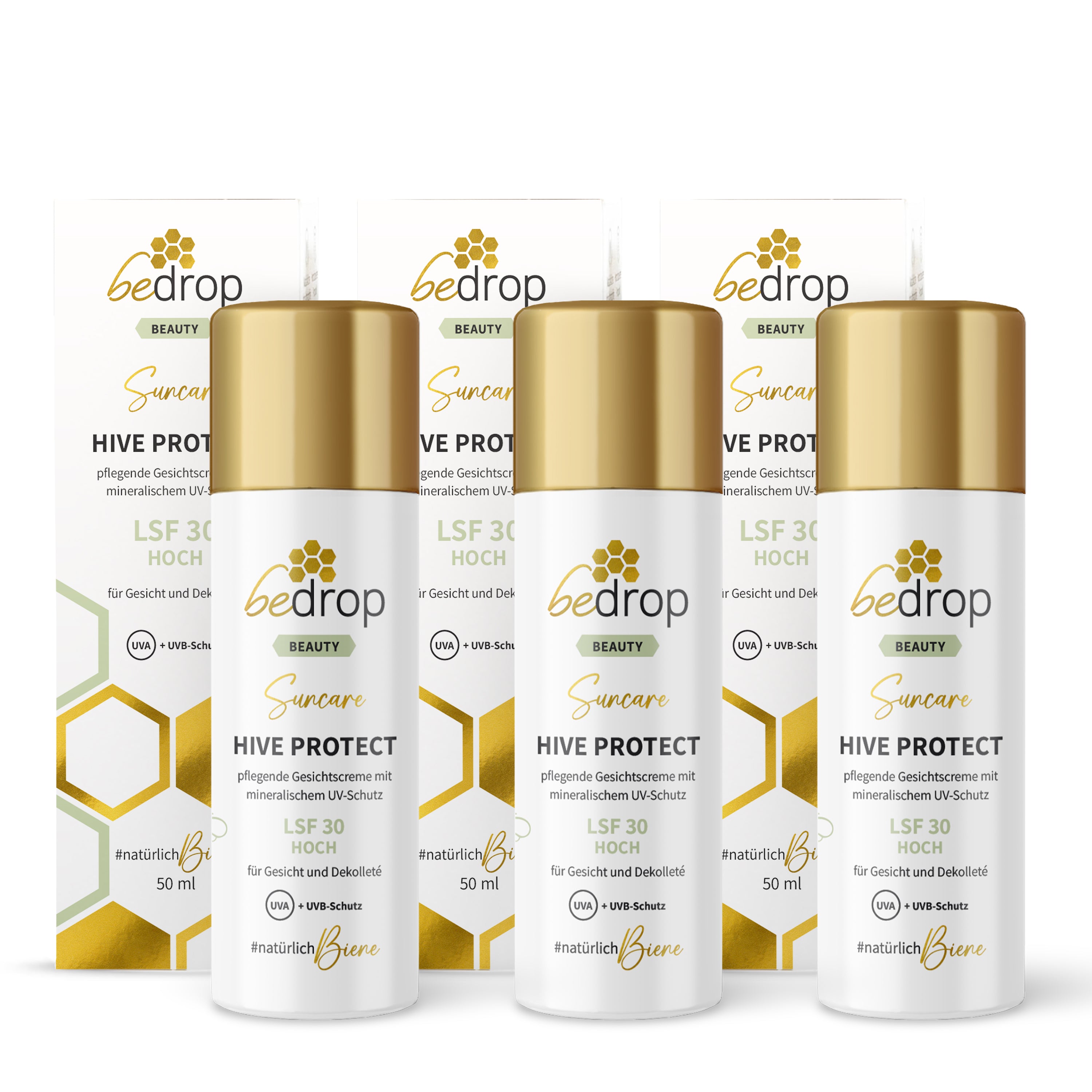
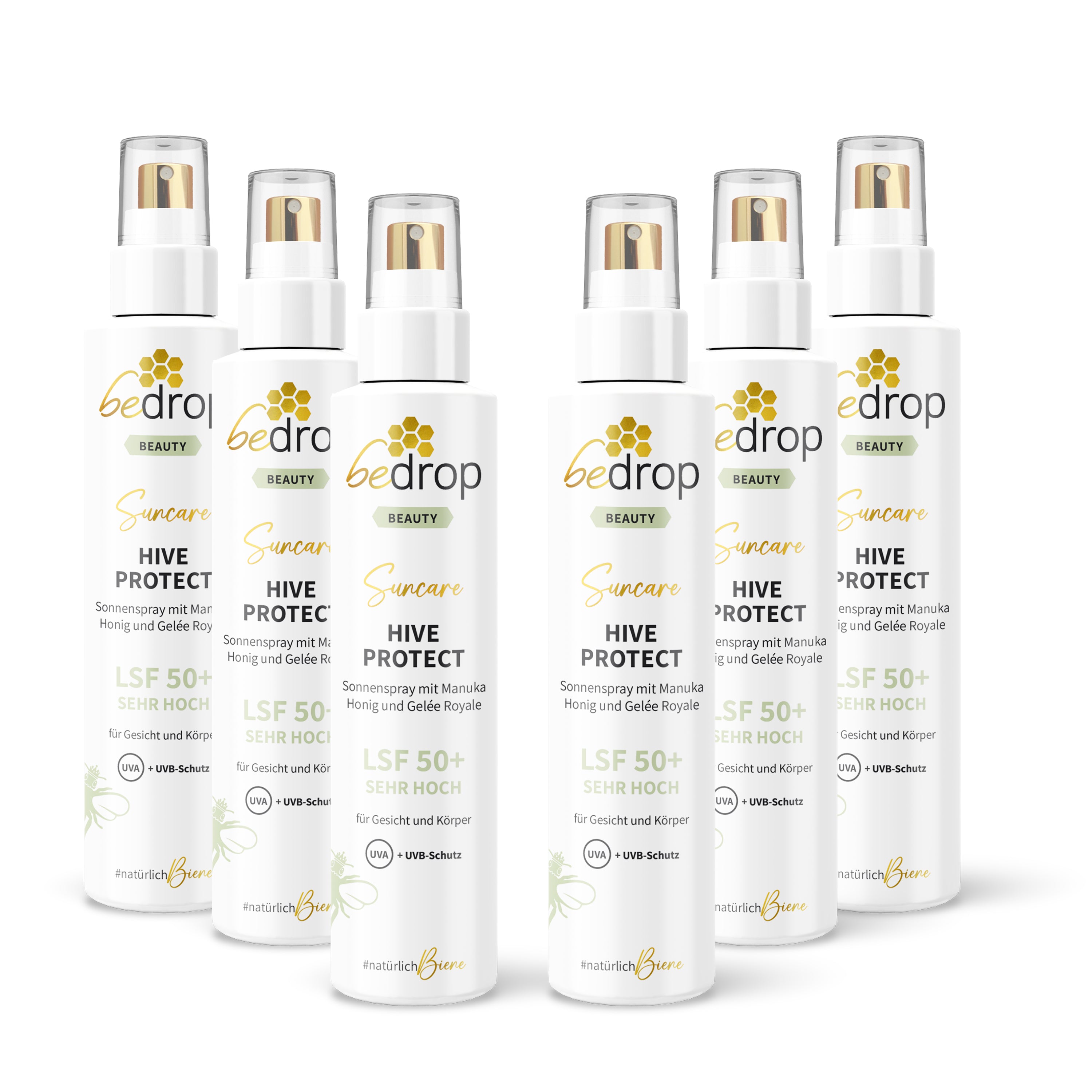
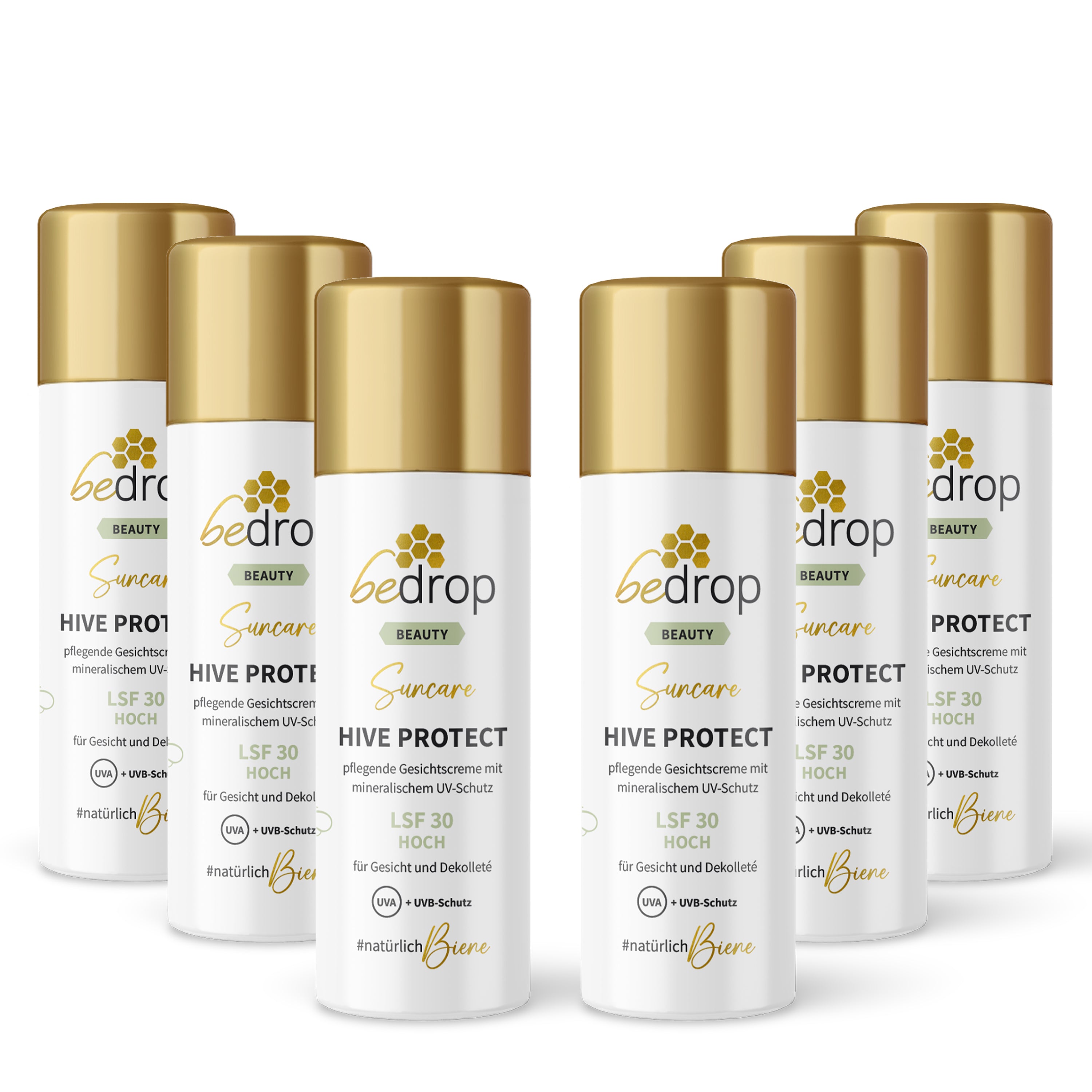
Sunscreen
Sunscreen
bedrop Sunscreen for Face and Body: Everyday Sun Protection
A good sunscreenis a must in every skincare routine, whether
- at the beach,
- during sports
- or during everyday life in the city.
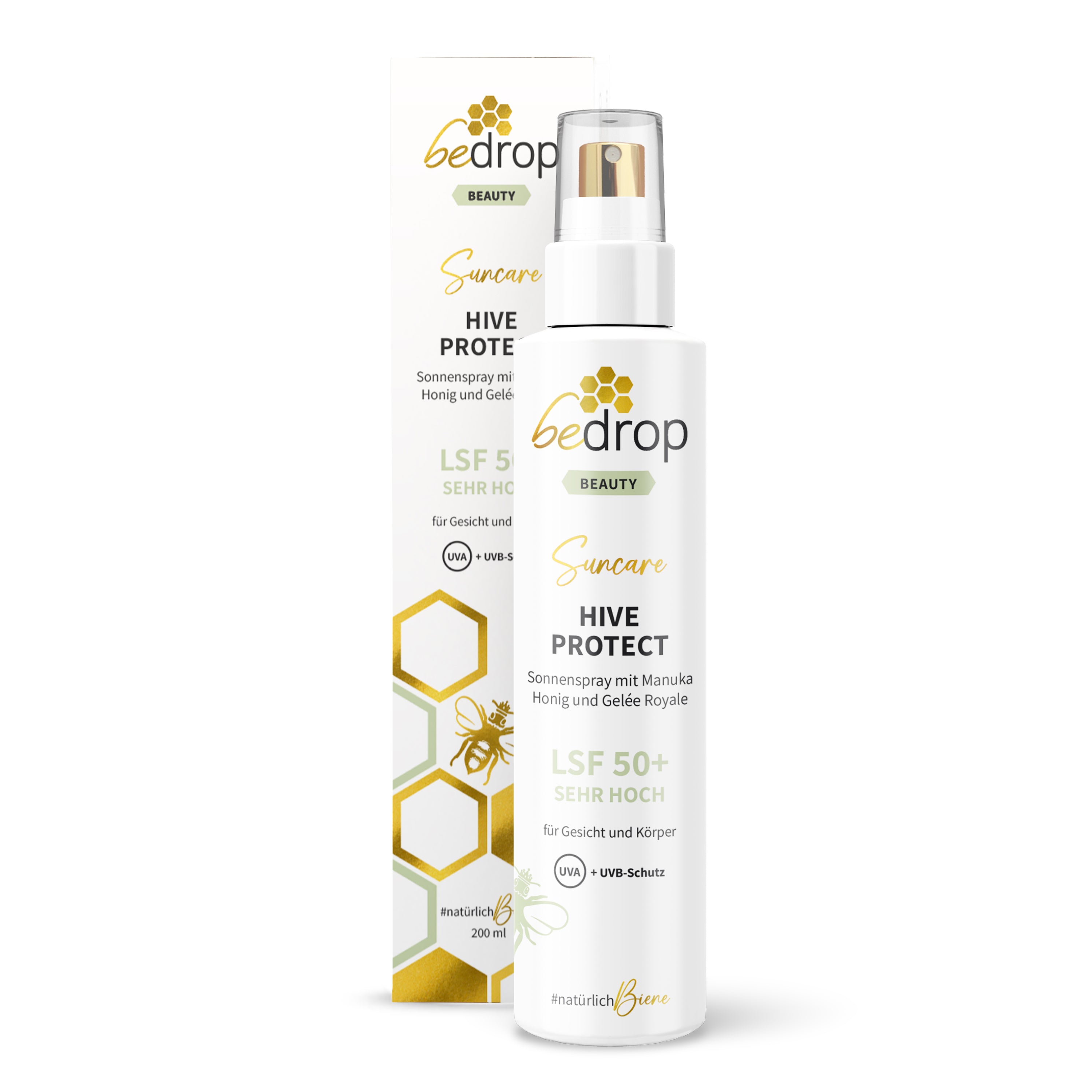
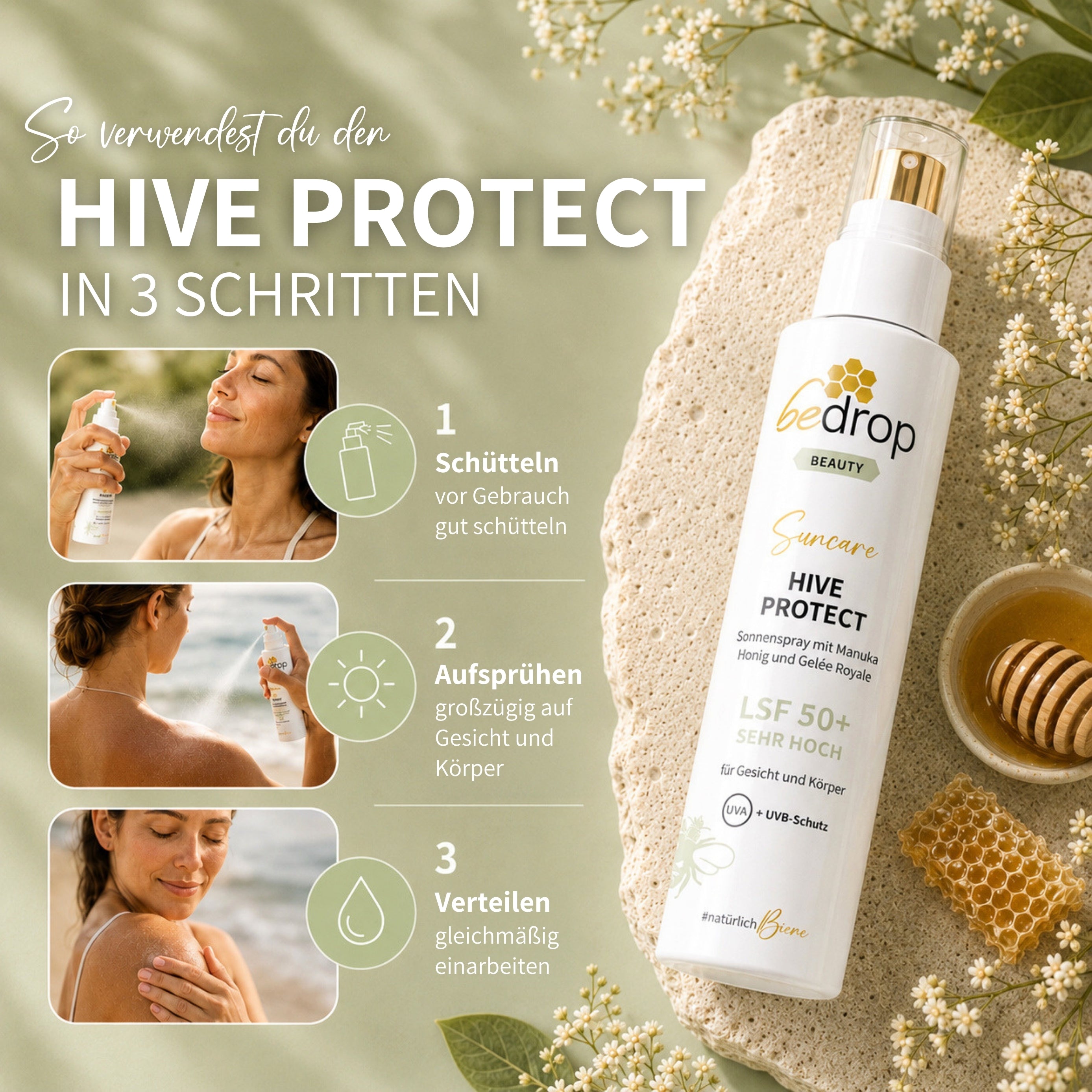
Itprotectsyourskinfrom UV raysandcan be used on both your face and body. Sensitive areas of the face need a lightweight facial sunscreen that absorbs quickly and doesn’t clog pores. For large areas on the arms, legs, and back, a sunscreen spray is a practical alternative because it’s easy to apply evenly.
UV Protection in Everyday Life: Why Choosing the Right Sunscreen Is Crucial
UV rays affect your skin even when you don’t feel them. UVB rays cause sunburn; UVA rays penetrate deeper and can accelerate skin aging. Anyone who regularlyspends timein the sun without protectionrisks
Especially on the face, which is exposed to the sun every day, the right facial sunscreen gives you a tangible sense of security. Look for products with a balanced formula and good skin tolerance. A sunscreen with carefully selected ingredients combinesreliable protection with gentle care.
Decision Guide: Sunscreen vs. Sun Spray
|
Criterion |
Sunscreen |
Sunscreen Spray |
|
Best Use |
Face, sensitive skin areas, daily care |
On the go, reapplication, application over large areas |
|
Advantage |
Precise application, forms a visible protective film |
Absorbs quickly, reaches the back with ease |
|
Product Features |
Mineral filters |
Versatile application, even distribution |
Which bedrop sunscreen is right for you?
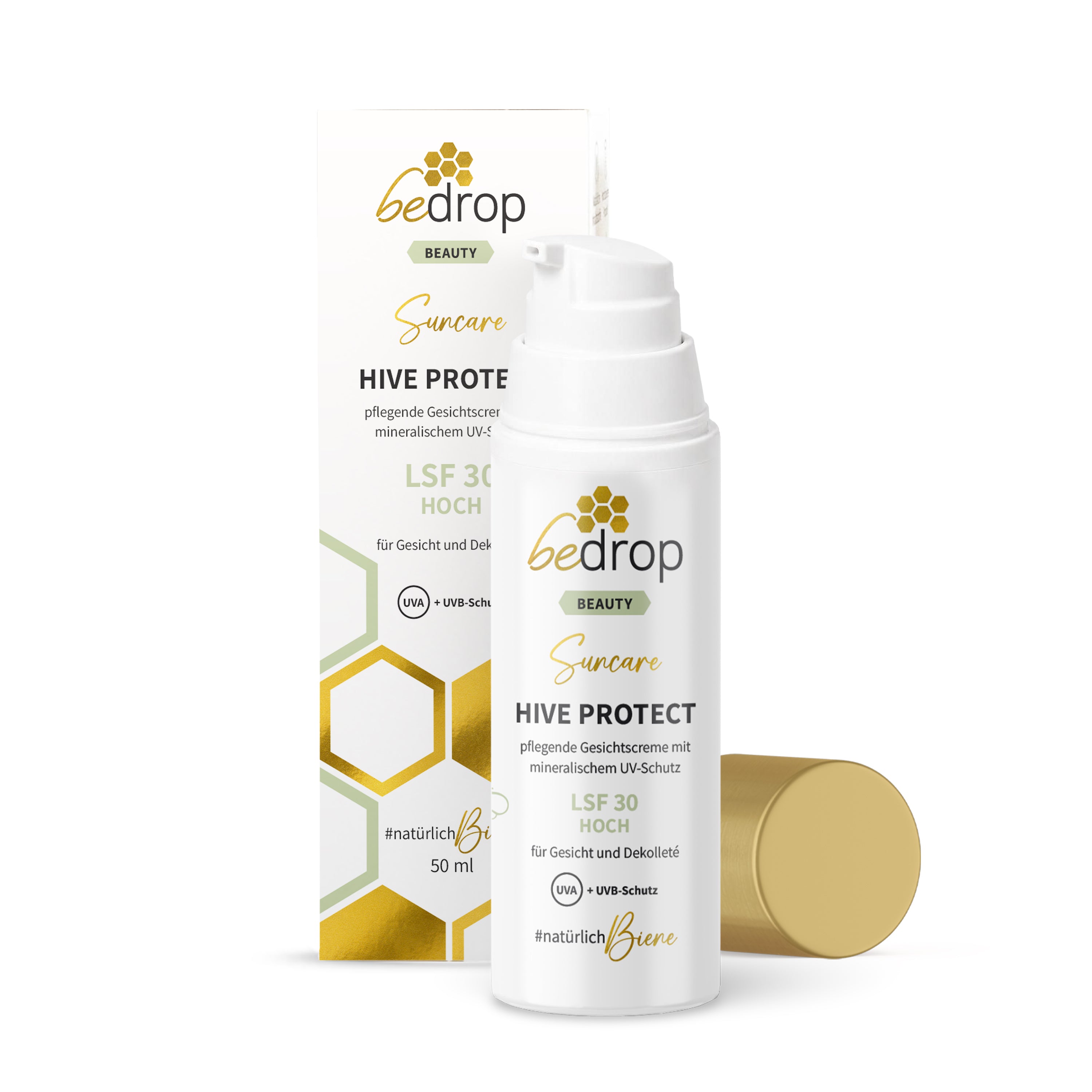
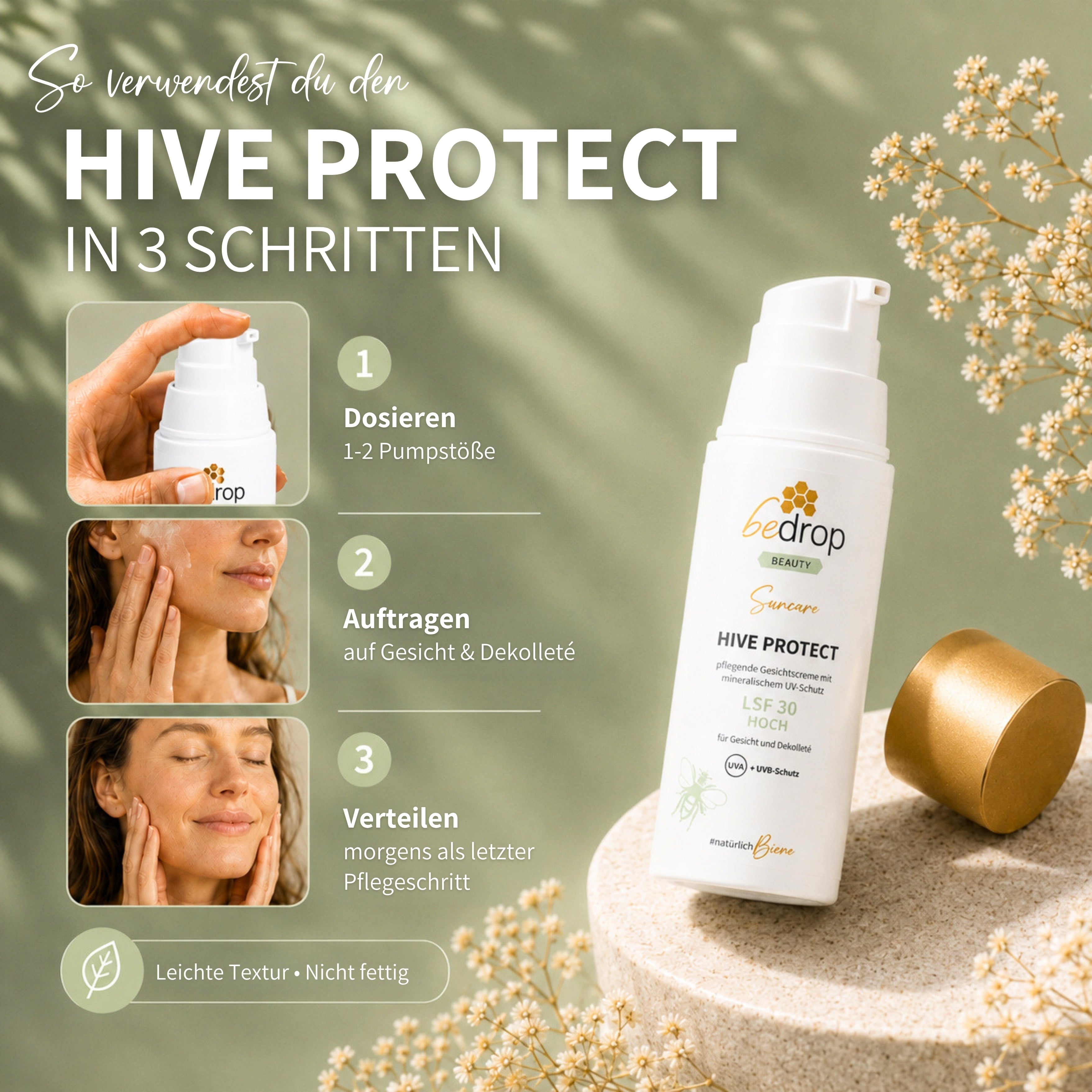
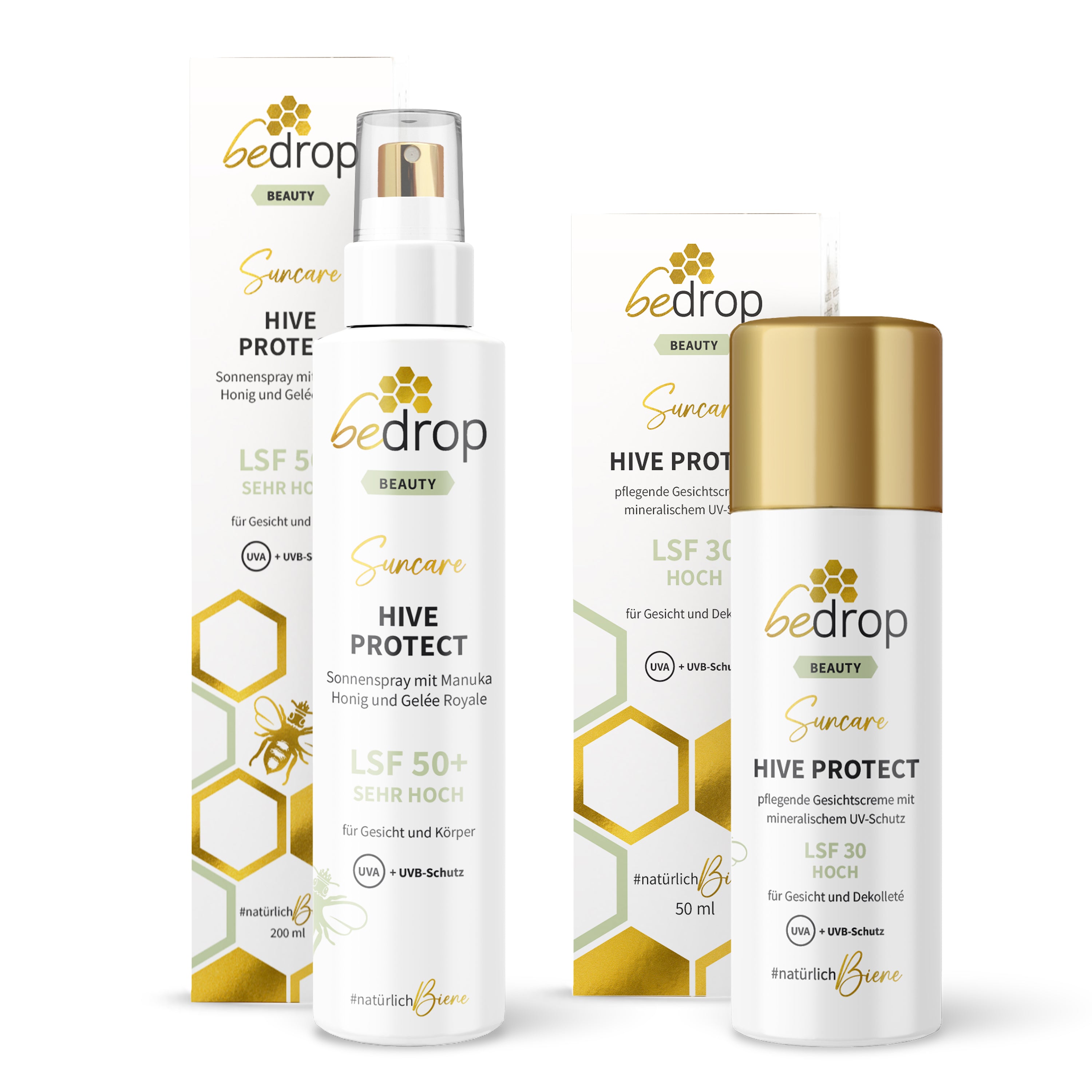
- Choose sunscreens if...youvalue a gentle formula with carefully selected ingredients. The combination of mineral filters and plant-based ingredients is especially well-suited for your daily routine.
- Go for sunscreen sprays if...youappreciate ease of use. They can be applied evenly without help and are the practical choice for sports, outings, or a quick touch-up on the go.
Which sun protection factor (SPF) is right for your skin type? Here’s how to choose the right protection level
The sun protection factor (SPF) indicates how much longer you can theoretically stay in the sun without getting sunburned, compared to your skin’s natural protection time. To provide a reliable guideline, SPF isdividedintofour official protection levels:
- Basic protection (SPF 6 to 14):Offersvery little protection. This range is generally not recommended for direct sunlight and is rarely used in modern sunscreen products.
- Medium protection (SPF 15 to 25):Sufficientfor very short periods in the shade with low UV exposure.
- High protection (SPF 30 to 49):Blocksapproximately 97% of UVB rays. Offers the ideal balance of strong protection and a pleasant texture for everyday use or for facial skin.
- Very high protection (SPF 50 and SPF 50+):Filtersabout 98% of UVB rays. The gold standard for very fair skin, or for long periods outdoors, during sports, in saltwater, or under intense mountain sun.
Directions for use:
- Apply in advance: Applythesunscreen generously about 20 to 30 minutes before sun exposure.
- Reapply: Reapplyafterswimming, drying off, or sweating to maintain protection.
- Consider intensity:Instrong sun, near water, or in the mountains, asunscreen with SPF 50 is usuallyrecommended. In the shade, lower SPFs are often sufficient.
Important note on reapplying:Ahigher SPF extends the maximum duration of protection, but it does not mean you can stay in the sun indefinitely. Regular reapplication—especially after swimming, sweating, or drying off—maintains the skin’s protective barrier but does not extend the total calculated protection time for the day.
Overview of Filter Types
|
Filter Type |
Properties & Texture |
Special Features |
|
Mineral Filters |
Use natural minerals such as zinc oxide, which sit on the skin’s surface and reflect UV rays like a mirror. |
Ideal for sensitive skin. |
|
Organic / Chemical Filters |
Penetrate the outermost layer of the skin and convert UV radiation directly into heat. |
Enable particularly lightweight, transparent formulations with a very high SPF |
|
Bee-derived ingredients & natural substances |
Complement the UV filters with bioactive skincare ingredients (e.g., propolis, Manuka honey MGO 500+, royal jelly, and oils). |
They moisturize sun-exposed skin and help it feel nourished. |
How to Identify Valuable Ingredients in Sunscreen
Gentle UV protection reliably shields the skin from sun-related stress while providing intensive care. When choosing the right sunscreen, the filters used play a key role:
- Mineral zinc oxide:Actsas a natural physical filter without chemical additives and gently reflects UV rays off the skin’s surface.
- Modern broad-spectrum filter complexes:Offeran extremely high SPF in sunscreen sprays and allow for lightweight textures.
As a result, well-formulated sun care products are ideal for the face and body, sensitive skin, and daily use.
Natural Care & the Power of Bees for Nourished Skin by bedrop
Select natural ingredientscomplementthe sun care products with a nourishing component. Valuable bee-derived ingredients such asManuka honeyMGO500+,royal jelly, andpropolisprovideintensivecare forthe skin. Especially after swimming, your skin benefits from a rich formula that combines reliable sun protection with the power of the beehive.
Water Resistance & Skin Tolerance
Water-resistant texturesandhigh skin tolerancearetwo essential quality characteristics of good sun care. Water-resistant formulations stay reliably in place even while swimming and sweating. A lightweight sunscreen spray is especially easy to reapply on the go—ideal for quick protection throughout the day or, with a higher SPF, for intense sun exposure.
Discover our range of natural sun care products now and find the right protection for your face and body.
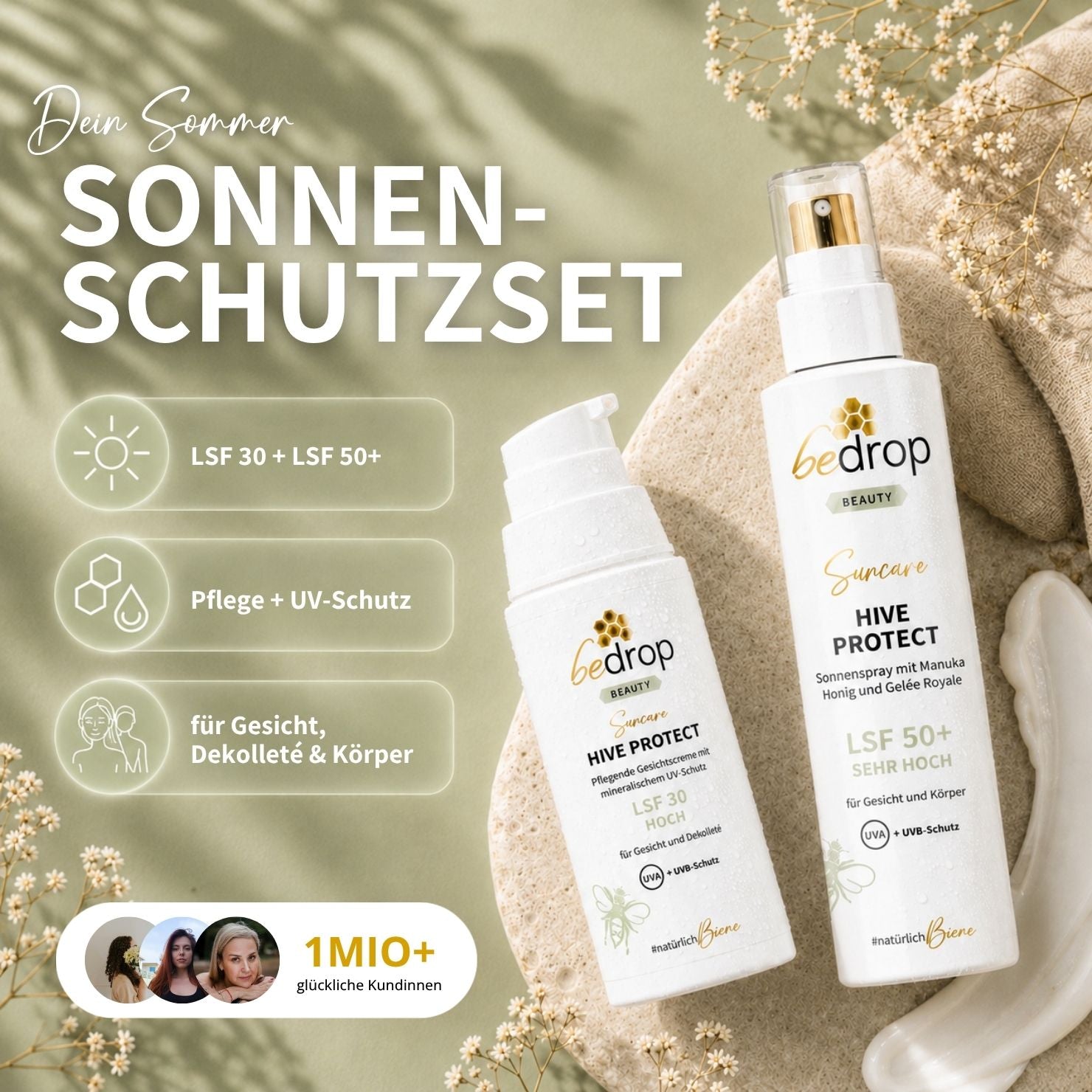
Whether it’s a lightweight facial sunscreen with mineral zinc oxide (SPF 30), reliable protection with SPF 50+, or convenient travel sets: Choose the product that suits your skin type and browse our related skincare products.