


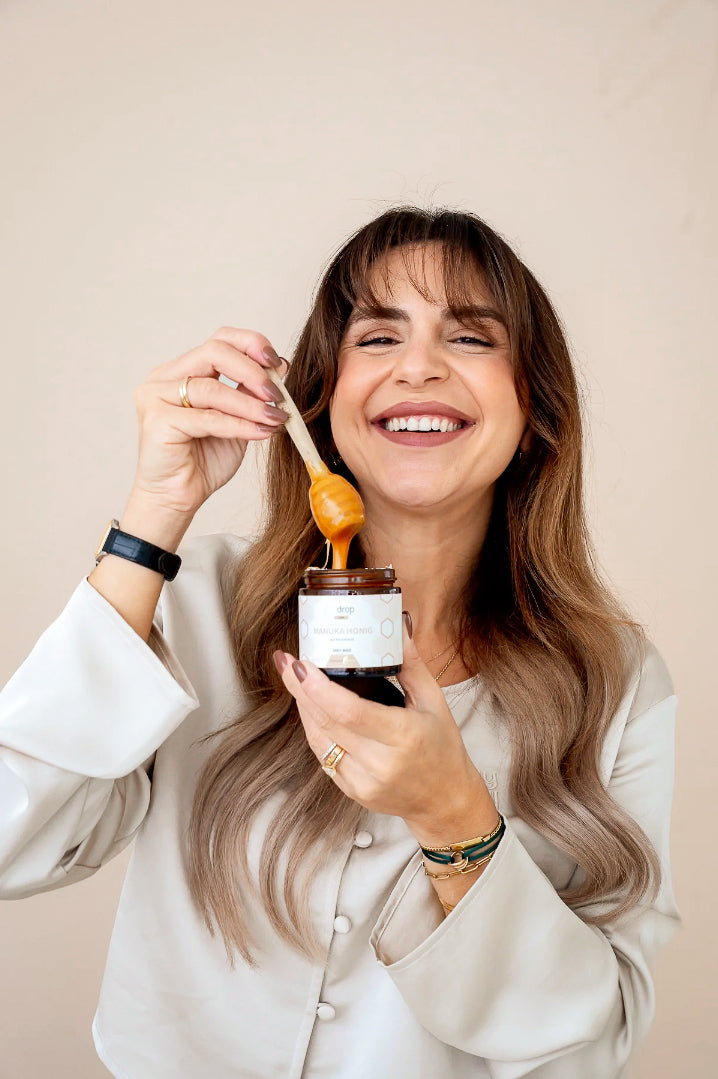






A teaspoon of bee pollen and propolis every morning: That’s how my day used to start when I was a kid. Many of you already know the story. My grandpa was a beekeeper, and at our house, a lot revolved around bees. Today, here at bedrop, we work every day with what they produce. There was just one thing we never had all those years: our own beehive. Of all people, us.
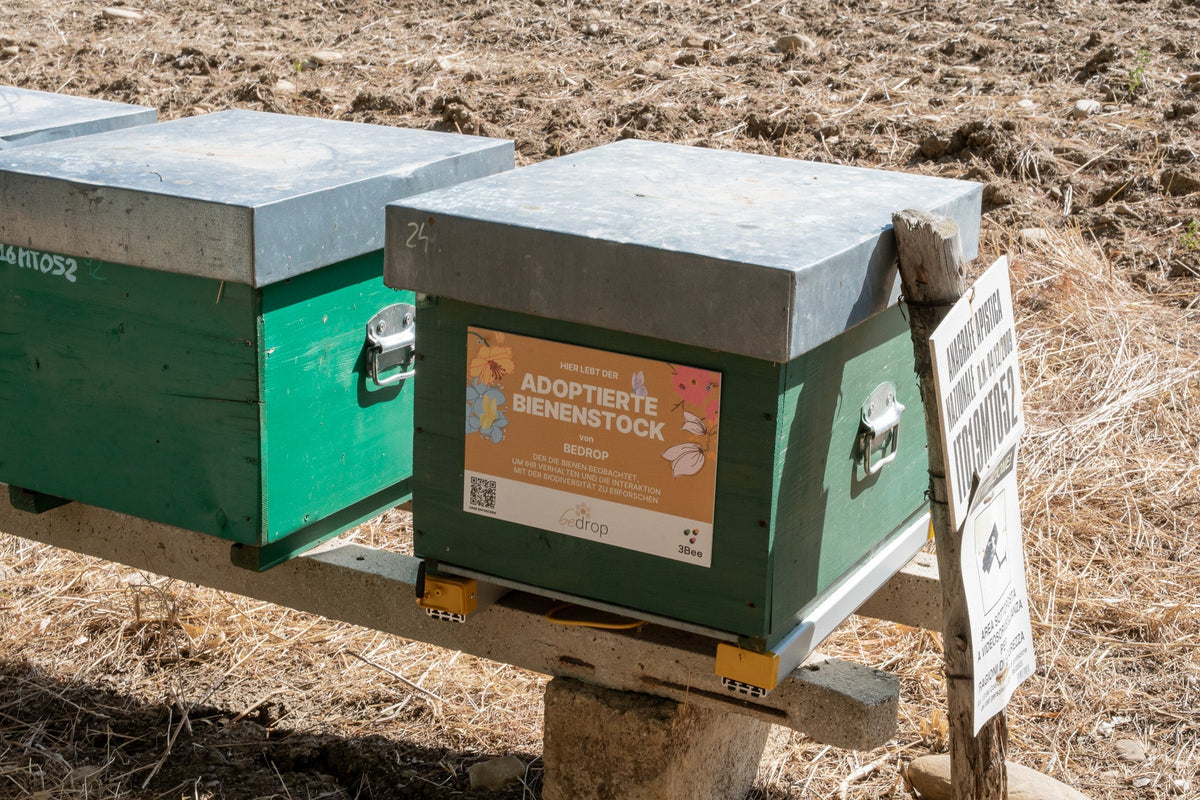
That’s changed now. Recently, four high-tech beehives bearing our logo were installed in Basilicata, in the very south of Italy. About 240,000 bees live in them—our new employees, so to speak. And starting now, you can follow along live to see how they’re doing. I think my grandpa would have been pretty happy about this.
In this blog post, I’ll tell you how it all came about. You’ll meet Giuseppe, our beekeeper in Italy. And I’ll show you everything you can discover on the live page. At the very end, you’ll find my interview with Giuseppe.
How one passion project turned into three
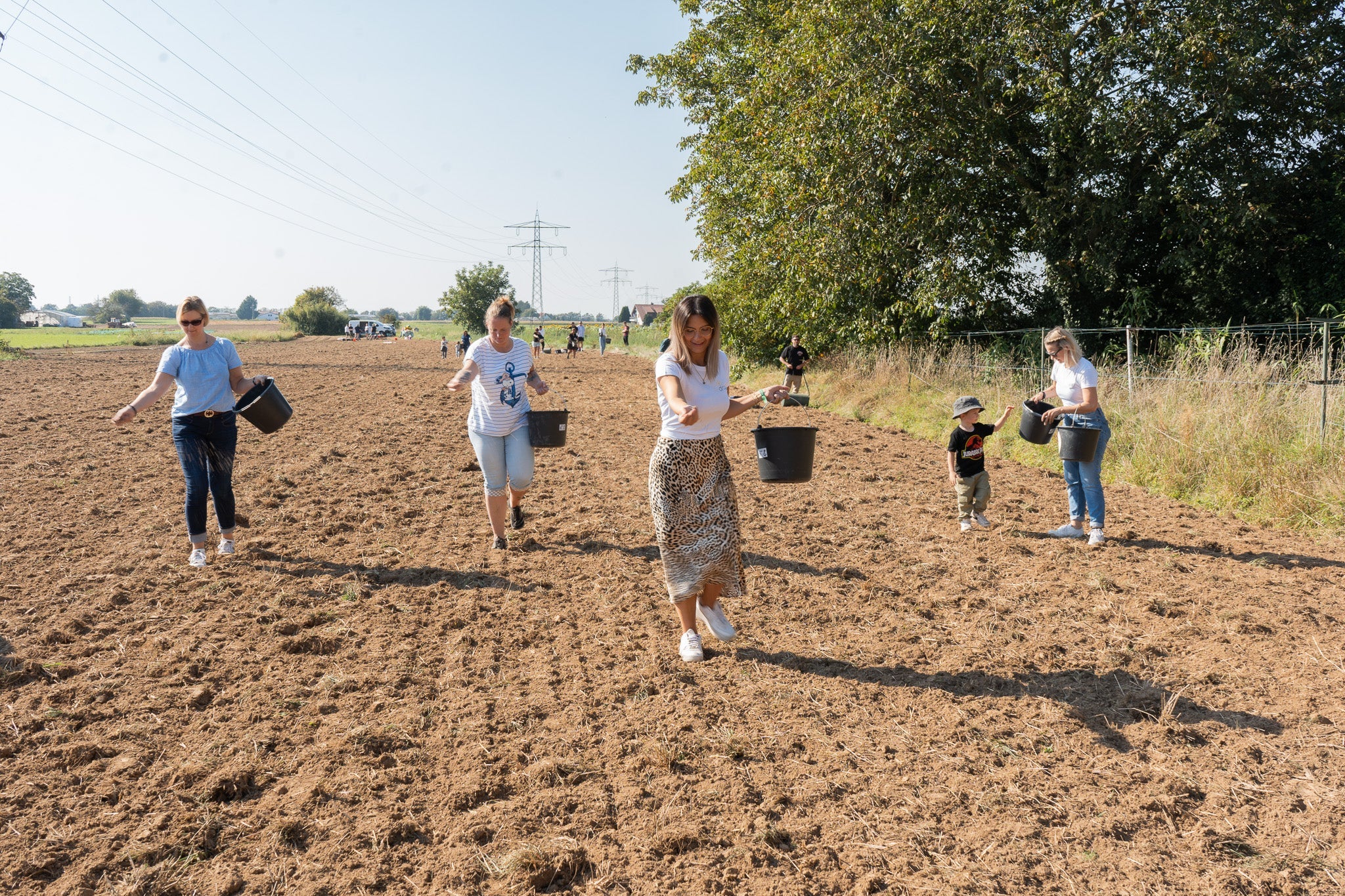
Anyone who’s been following us for a while knows that bee conservation isn’t just a side issue for us. In September 2024, together with our Honeybee Community and our partner Artenglück, we created our wildflower meadow in Dossenheim: 5,000 square meters, planted on unused farmland. In May 2025, we set up a bee hotel on the meadow together with Bee Friendly. Since then, wild bees have found a safe home there.
The wildflower meadow and bee hotel are there for wild bees and other insects. With the tech beehives in Italy, honeybees are now joining the mix for the first time—the very bees to whom we owe our products.
Who is behind 3Bee?
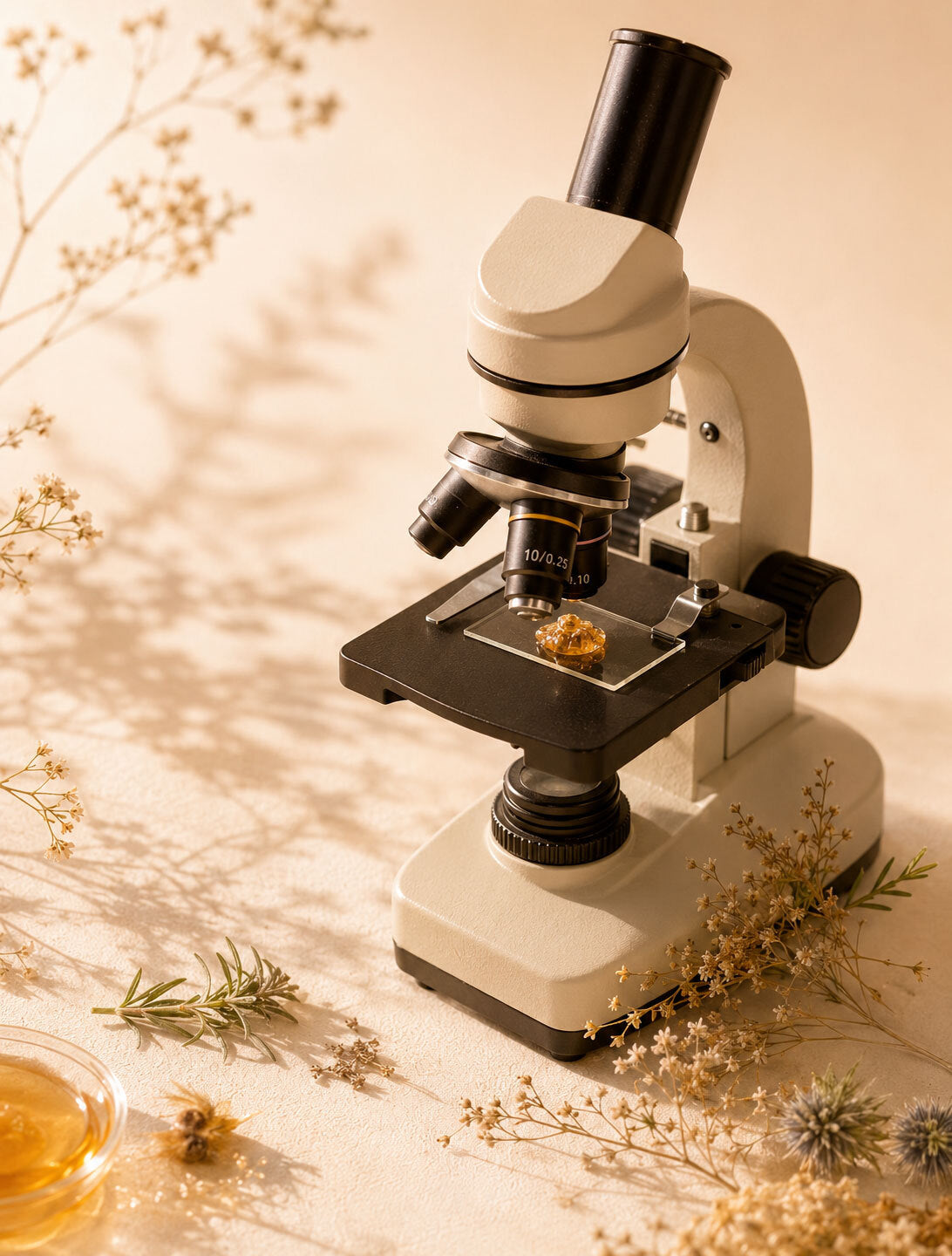
This was made possible by 3Bee. The Italian nature-tech company specializes in monitoring and restoring biodiversity. To do this, 3Bee uses its own sensors, satellite data, and artificial intelligence. The tech beehives are one of these tools. Each one contains sensors that measure weight, temperature, humidity, and the buzzing of the colony around the clock. Universities and research centers are also using this data to learn more about bees and their environment.
Over 400 companies are already partnering with 3Bee, including Ferrero, Toyota, and DHL. Now we’re on board too—we’ve adopted four tech beehives for the next two years. They’ll stay right where they belong: in their familiar surroundings, with an experienced beekeeper who truly cares for them.
Honeybees are in good hands with their beekeepers, who care for them every day. That’s why adopting a hive is, on the one hand, about supporting local beekeepers. On the other hand, every tech beehive also serves as a small monitoring station for nature. Bees fly over a large area around the hive in search of food. The sensor data therefore shows how the colony is doing. And at the same time, it reveals a lot about the state of nature throughout the surrounding area. This turns an adoption into a real biodiversity project. That’s exactly what convinced us: We wanted to support a beekeeper like Giuseppe while learning a lot about bees ourselves. And, to be honest, we also just wanted to be closer to the creatures to whom we owe so much.

Giuseppe and His Bees
Our tech beehives are located at Giuseppe Spinelli’s apiary. He’s an organic beekeeper in Basilicata. Many people haven’t even heard of the region by name. Yet it’s one of the wildest and most unspoiled corners of Italy: lots of mountains, lots of forests, and hardly any industry. Add to that a flora that blooms differently throughout the year.

Giuseppe runs his operation according to regenerative principles and travels a lot with his colonies. When the chestnut trees are in bloom somewhere, he takes his hives there. Once the bloom is over, he moves on to the next one. This is called migratory beekeeping, and it involves a lot of work. But as a result, each honey truly tastes like the flower it comes from.
His varieties include, among others, chestnut, eucalyptus, cilantro, and Sulla. To be honest, we’d never heard of Sulla before. It’s a type of clover from southern Italy that produces a light-colored, very mild honey. Chestnut honey is the exact opposite: dark, robust, and slightly tart.
Technology and nature—at first glance, many people don’t see them as a good fit. Most of the time, you hear that technology distances us from nature and does more harm than good. With Giuseppe, it’s exactly the opposite. He told us how much climate change has altered his work. Flowering seasons are barely predictable anymore: they start earlier, shift later, or are shorter but more intense. The sensors from 3Bee help him keep track of things despite this.
“We intervene exactly when it’s necessary, instead of opening the hives every day just to see what’s going on.”
– Giuseppe Spinelli
The data shows him at a glance what’s going on in the hive. Are the bees bringing in nectar right now? Do they need extra food? Has a swarm perhaps left? So the beekeeper remains the beekeeper. The technology simply ensures that he can leave his bees in peace more often. That’s what meaningful technology looks like.
It became clear to us pretty quickly that he’s a good fit for us. Giuseppe is a craftsman through and through and is never in a hurry. That’s how we like to work, too. He knows each of his colonies and knows exactly when they need to go where.
We wanted to see them with our own eyes
Just knowing our bees from a screen wasn’t enough for us. So I drove to Basilicata and visited Giuseppe. Davide from 3Bee came along, too. There, I got to experience our honeybees up close. And I was finally able to ask Giuseppe everything I’d been dying to know. Why did he become a beekeeper? How is climate change affecting his work? And how do the sensors actually help him in his day-to-day life? You can see his answers in the interview video at the very end of this blog post.
In addition to the interview, we watched Giuseppe at work and filmed quite a bit. We’re currently editing even more videos from that footage for our channels. If you follow us on Instagram, you won’t miss a single one.
What the Sensors Tell You About Our Bees
Data from all four tech beehives converges on our Oase page. At first glance, you’ll mainly see numbers and graphs there. But they actually reveal quite a lot about life inside the hive. You just have to know what to look for.
Click here to follow the beehives live
-
Temperature: The young grow up in the brood chamber. There, the bees keep the temperature constant at about 35 °C, no matter what the weather is like outside. If it gets cold, they vibrate their flight muscles to generate heat. If it gets too hot, they fan air through the hive. A steady curve therefore indicates a well-organized colony. In winter, the temperature may drop: there is hardly any brood at that time, and the bees huddle together in what’s known as the winter cluster.
-
Humidity: Fresh nectar consists mostly of water. The bees dry it until less than 20% water remains. Only then is it honey. If the humidity in the hive rises, it often means that nectar is being processed intensively. If, on the other hand, the air remains too humid for an extended period, this is a warning sign for the beekeeper.
-
Noise level: A bee colony never hums at the same volume. On warm days with a lot of foraging activity, it gets significantly louder; at night and in winter, it’s quieter. If the colony suddenly sounds completely different, there’s often unrest in the hive. This happens, for example, when the queen is missing. In the past, you could only hear this kind of thing right at the hive; today, the graph shows it.
-
Weight: My favorite metric. The scale measures the entire hive, including bees, combs, and stores. If the curve rises, it means a lot of nectar is being brought in. In winter, it slowly goes down because the bees are drawing on their stores. And if it suddenly drops by a few kilograms in a single day, part of the colony has likely swarmed.
- Location: On the map, you can see where our hives are currently located in Basilicata. Giuseppe moves his colonies along with the blooms. That’s why the location can sometimes change over the course of the year.
I’ll admit it: ever since the site went live, I’ve been checking it almost every morning.

Why this means so much to us
Bee products are part of our everyday lives. Yet the bees themselves often felt a bit distant—somewhere behind supply chains and raw materials. With Giuseppe and the four tech beehives, that’s changed. I’m happy when the weight goes up, and I wonder what’s blooming down there right now. For me, this also brings things full circle, back to my grandfather’s bees.
A flowering meadow, a bee hotel, and now our own tech beehives: I’m actually a little proud of how this has grown over the years. And I have a feeling this isn’t the last chapter.
And the beauty of it is: bee conservation doesn’t start with having your own beehives. Davide from 3Bee gave me a tip during my visit that I’d like to pass on to you. Even just a few flowers on your balcony can help bees and other pollinators. The same goes for a small hideaway or a patch of grass that you mow less often. What may just look like tall grass to many people is, for insects, a nesting site, a refuge, and a food source all at once.
A Conversation with Giuseppe
In the video below, I’ll take you along to visit Giuseppe in Basilicata. Giuseppe shares how he got into beekeeping, what he loves about his work, and why no two bee seasons are alike. He also reveals how 3Bee’s sensors help him leave his colonies undisturbed as much as possible. And Davide debunks a few persistent myths about bees.
Want to know how ourbees are doingtoday?
Here you can track their metrics live.